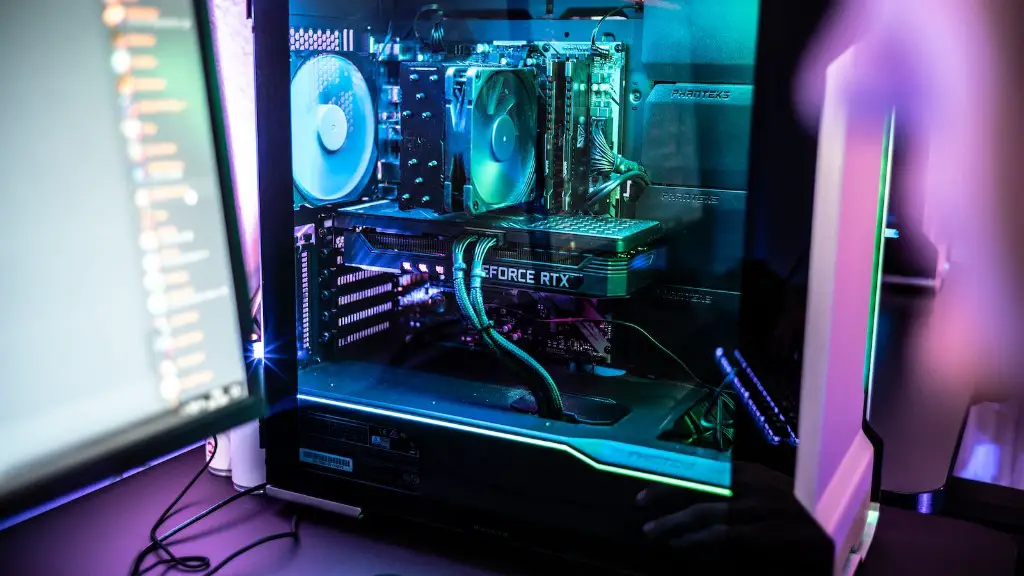
Considering whether to buy a console or a gaming PC is something a lot of people ponder. One option offers stability and a range of classic experiences, while the other offers flexibility and blazing speeds. Contemplating both has its benefits and drawbacks, making the answer to the question of which to buy subjective. This article will breakdown the major differences between console and PC gaming, as well as discuss their practical implications.
To begin the discussion, it’s essential to start by speaking about the benefits of a console. Consoles are designed with one purpose in mind – gaming. And, with hardware and software specifically tailored to this purpose, they offer rock-solid performance at an affordable price. Consoles also have the benefit of offering access to a broad range of gaming genres. From RPG, to sports, to open-world adventure, consoles boast a diverse library of games for users to choose from.
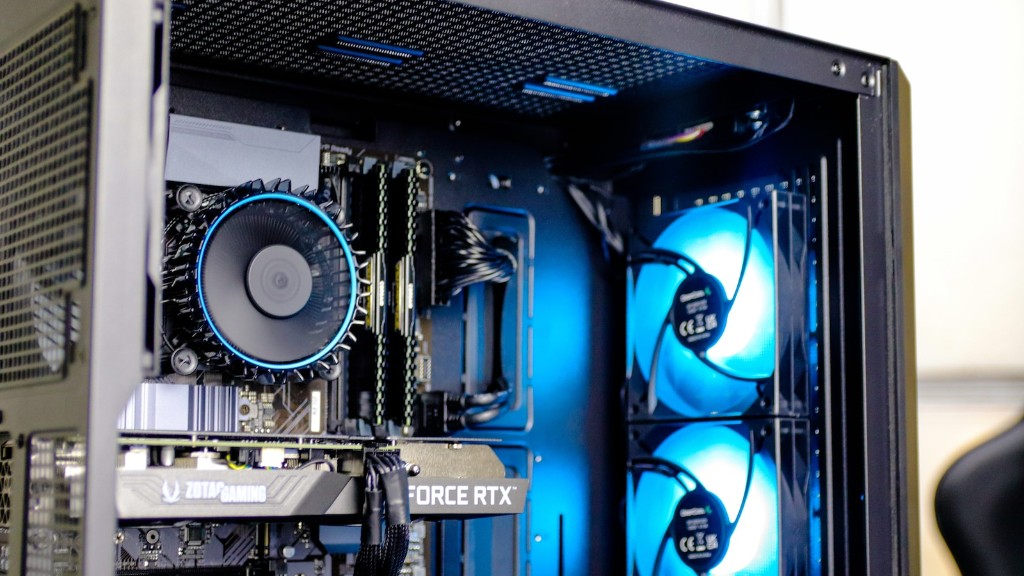
On the other hand, PCs come with their own unique advantages. A gaming PC offers supremely powerful hardware, allowing for smoother gameplay, higher resolutions, and better visuals. PCs can also benefit from frequent software updates, leading to improved performance, smoother experience, and better compatibility with modern games. Furthermore, PCs offer users higher customizability, allowing them to upgrade their gaming rigs as they see fit.

In terms of practical implications, consoles offer affordability and straightforward installation and usage. Controllers are also included with consoles, meaning no extra costs are required. PCs, however, often require users to purchase additional hardware, such as controllers, keyboards, and mice, adding to the total cost. Furthermore, users may need a bit of know-how to install and configure their gaming PCs correctly.
So, which to choose: console or PC? Ultimately, the answer depends on user preference and budget. That said, both can provide great gaming experiences and no matter which option is chosen, users are sure to enjoy their time with it.
Games Availability
In terms of game availability, both platforms offer a variety of different systems, each with its own selection of titles. Consoles offer access to generally popular titles from the major gaming developers, from those with console exclusivity to ones that are available on both platforms. While PCs also have their own selection of games, most games made for PC are either never released on consoles, or become available much later.
In addition, PC gamers typically have a much larger library of titles and indie games to choose from, compared to console gamers. This is due to the fact that many indie developers shun consoles and focus solely on PC gaming. This means that PC gamers have access to a much wider variety of games, even when compared to the largest triple-A console releases.
Both platforms also have access to subscription-based gaming services, like PlayStation Plus, Xbox Live, and Origin Access. These services grant access to a library of titles, usually at discounted prices. Furthermore, some subscription services, such as Xbox Live, offer access to free games every month. Generally speaking, PC gamers also have access to more free-to-play titles than their console counterparts.
In conclusion, PC and console gaming offer different selections of games that appeal to different types of gamers, depending on their preferences. Both platforms offer a variety of gaming genres to choose from, allowing users to pick up the types of games they enjoy most.
Connectivity
The connectivity of both platforms is also important when it comes to gaming experience. Console gamers mainly rely on local multiplayer, or wifi connections. Both of these options have their advantages and disadvantages. Local multiplayer allows for low latency gaming, however, it limits users to those within close proximity. Wifi connections can be plagued with lag, however, they offer a much broader reach. PCs, on the other hand, offer a combination of both options. Not only do PC games often have local multiplayer, but they can also connect to other players through certain services, such as Steam.
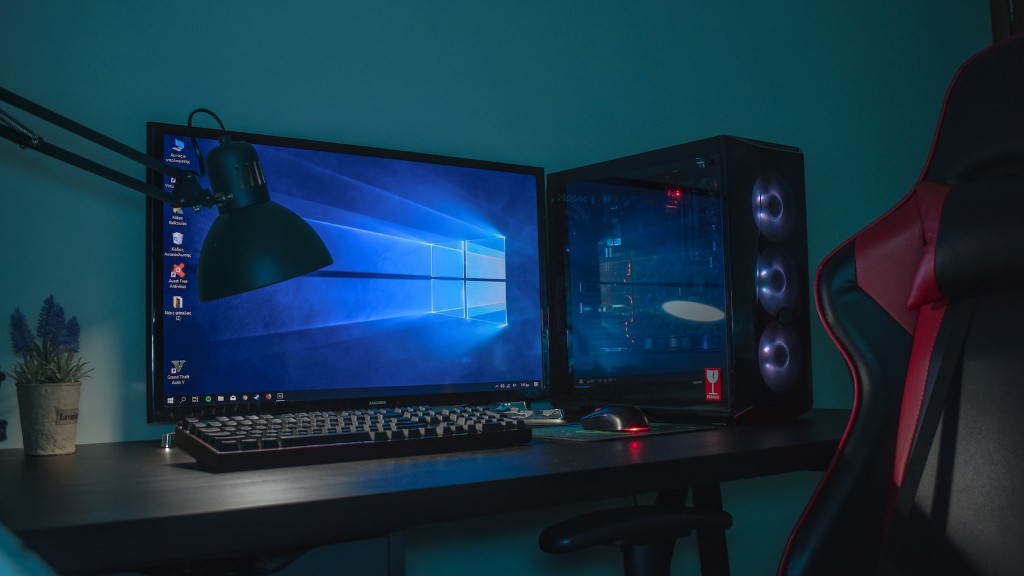
Apart from the traditional local or wifi connections, both platforms offer the possibility of streaming, often using the popular streaming service Twitch. Console gamers can use readily available devices, like the Playstation 4 or Xbox One, to stream their gameplay and connect with other gamers. PCs, however, offer more flexibility and control when it comes to streaming. Not only do they offer more powerful hardware, but they also have access to more advanced tools, such as various streaming software.
On the downside, streaming on both platforms usually involves a subscription fee. Furthermore, streaming also requires a stable and fast internet connection, as well as powerful hardware. That said, it is still possible to stream on both a console or PC, and it is an engaging way of gaming with friends and other gamers from around the world.
Viability
Another deciding factor when it comes to buying a console or gaming PC is viability. PCs are much more viable than consoles when it comes to longevity and regular updates. PCs can be tailored and upgraded to stay up to date with the latest technology and trends in gaming, allowing for a more consistent experience. It’s also possible to turn a PC into a gaming PC by adding additional hardware, such as graphics cards. The same cannot be said for consoles, which require more complex procedures if they are to be upgraded.
On the other hand, console gaming is viable in the sense that the hardware and software stay the same. This means that developers can focus on creating games that are tailored specifically for the platform, and make use of the available hardware’s strengths. Furthermore, consoles are backwards compatible with their predecessors, allowing users to play older titles.
In terms of practical implications, a console can last for many years with the same system. On the other hand, a PC will require more frequent updates in order to stay up to date with modern technology and trends. This means that console gamers are able to enjoy their titles for a longer amount of time, while PC gamers will need to upgrade their gaming rigs every once in a while.
Input Devices

When it comes to input devices, both platforms offer a variety of options. Console gamers have access to console-specific controllers, while PC gamers can choose between a multitude of gaming mice, keyboards, and gamepads. Each type of device has its own set of advantages and drawbacks. Console controllers are usually more ergonomic and offer a unique gaming experience, whereas PC devices offer more precision and accuracy. On the other hand, PC devices tend to cost more, whereas console controllers are usually included in the console’s price.
Furthermore, some PC games may require specialized hardware in order to run. For example, many racing titles require the use of a joystick or steering wheel, neither of which can be used on a console. Likewise, many PC games make use of the keyboard and mouse combination, whereas this is not an option on a console. Of course, both platforms offer their own range of compatible hardware, and it ultimately comes down to user preference.
Costs
When it comes to costs, both consoles and PCs can be expensive. Console gamers usually require fewer additions to the base system, such as extra controllers and memory cards. On the positive side, console systems usually include the full package, meaning gamers can start playing right away. PCs, however, require more upfront investment and extra expenditure on additional hardware. This is one of the reasons why many first-time PC gamers opt for pre-built gaming PCs, as they come with the required parts in one package – at a price.
While getting a PC may require a larger initial investment, it also offers long-term savings in the form of parts that can be re-used and upgraded. This means that PC gamers can save money by re-using components, or by upgrading certain elements instead of replacing the whole system. On the other hand, console gamers usually have to replace their system once every five to seven years, depending on the manufacturer.

At the same time, it’s important to remember that both platforms can be expensive over time. Console gamers may end up spending more on games, while PC gamers might need to compensate the initial investment by buying cheaper components. Furthermore, the maintenance and upkeep of a PC is more time-consuming, whereas consoles are much easier to manage.
Support
When it comes to support, both console and PC gaming have their advantages. Console gamers can access official support services directly from the manufacturing company and, in some cases, from third-parties. PC gamers also have access to official support services from the hardware and software manufacturers, as well as from gaming forums, such as Steam and Reddit. Furthermore, hardware and software parts for PC gaming can usually be purchased online, allowing users to easily upgrade their systems.
Apart from official support, both platforms offer unofficial support in the form of gaming communities. Console gamers usually have access to forums dedicated to a particular gaming system, while PC gamers have access to myriad of websites and forums where they can find answers to their concerns. Both types of communities can be extremely useful when it comes to dealing with problems or simply finding answers.
In conclusion, both consoles and PCs offer support options that are tailored to the platform’s needs. Console gamers usually have access to official support, whereas PC gamers can benefit from official and unofficial sources. However, both platforms offer access to communities where users can discuss and ask questions about gaming.
