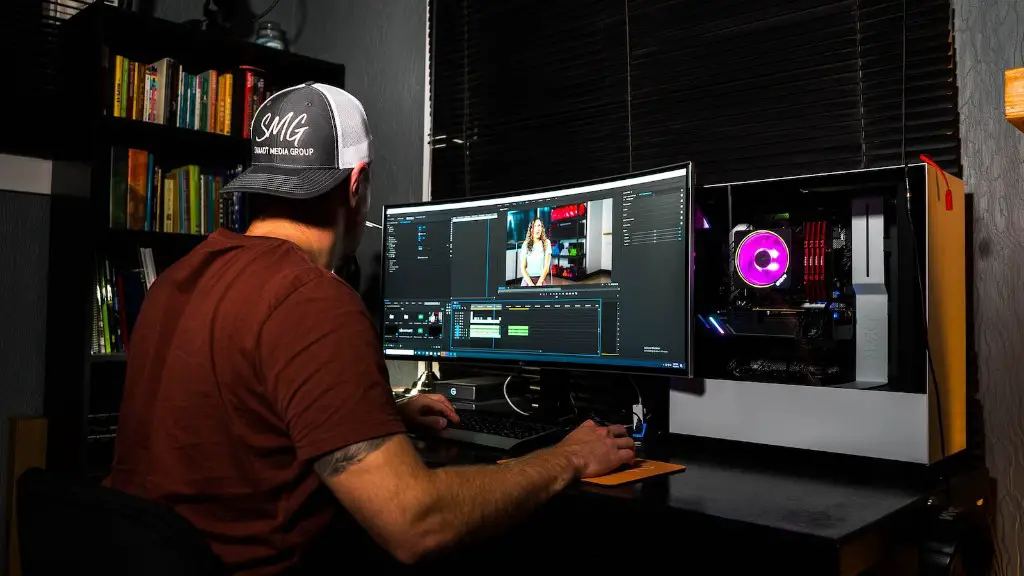
Building a simple gaming PC can be a great way to get into PC gaming on a budget. With the right parts, you can create a system that can easily run modern titles, while leaving plenty of room for upgrades and expansion. With the right guide, building a PC can be surprisingly simple – and in this guide, we’ll show you how.
First, you’ll need to figure out what parts you’ll need for your build. Generally, for a gaming PC, you’ll need a CPU, motherboard, RAM, storage drive, power supply, graphics card and case. Additionally, you might want to consider adding a liquid cooling solution, additional fans, and a dedicated sound card, depending on your budget and needs.
Next, you’ll need to choose your hardware. For building a gaming PC, you’ll want to prioritize the graphics card and processor, as they’ll be the biggestfactor in your gaming performance. If you’re on a tight budget, it’s worth looking at entry-level graphics cards and processors, as they can still providea very reasonable gaming experience. Additionally, consider how many RAM slots your motherboard has, and whether you plan on adding multiple storage drives.
Now, you’ll need to assemble the system. In most cases, installing the components into the motherboard is the most challenging step, as it requires the most care. To make the process easier, consider investing in a PC case with cable management and tool-less installation, as this will make the process much simpler.
As a final step, you’ll need to install your chosen operating system and configure your settings. Most modern operating systems will detect and install the necessary drivers for your hardware automatically, although you may need to install some drivers manually if you have an older system. Once that’s done, you’re free to download and install any games, apps and software you need.
Finally, it’s worth performing a system benchmark and stress tests, to ensure your gaming PC is in peak condition and running at the highest levels of performance. By running these tests, it’s easy to identify any issues that may be limiting your performance, and to check that your system is running at its optimal level.
Setting Up Accessories
Once you’ve built your gaming PC and have it up and running, it’s time to set up the extras. If you chose to install a dedicated sound card, that will need to be setup and tested to ensure good sound quality. Additionally, if you have a VR headset, you’ll need to connect any necessary cables and configure the settings in your software. It’s also worth checking if you need to update the firmware on your motherboard and graphics card, as this can reduce any potential errors.
Upgrading Your PC
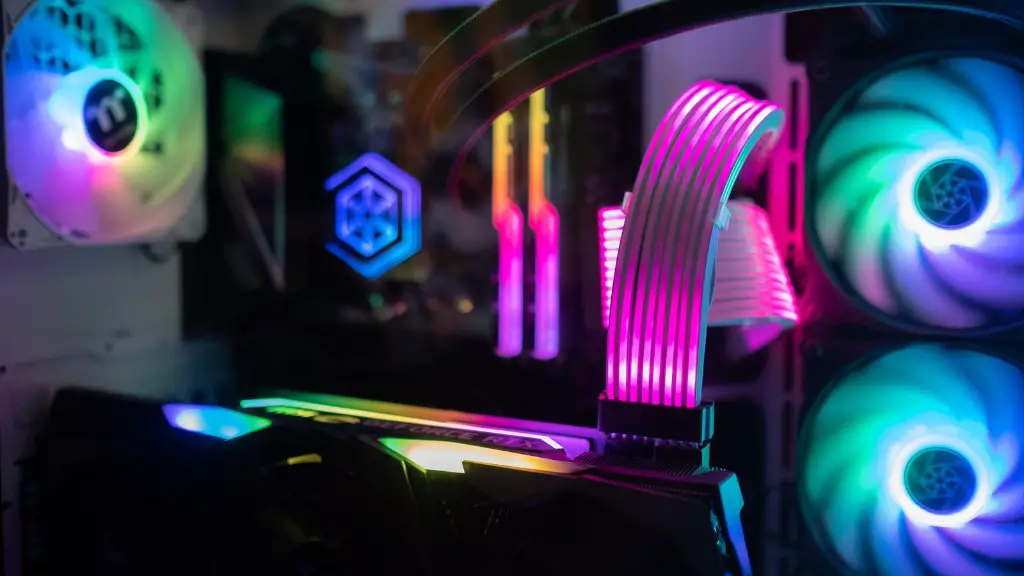
If your budget allows, upgrading your gaming PC can be a great way to boost your performance and get the most out of your system. Usually, upgrading the graphics card and processor can provide the most noticeable improvement, although if you ever want to upgrade to a higher resolution monitor, you might need to upgrade your RAM as well. Additionally, if you plan on playing any intensive titles, it’s a good idea to invest in a better power supply and cooling solution, as this can help to reduce operating temperatures.
On the other hand, if you’re looking to save money on hardware, overclocking is a great way to eke out more performance from your existing setup. Generally, the processor and graphics card are the most popular components for overclocking, although some motherboards can also be overclocked for higher performance. Bear in mind that overclocking can void your warranty and may cause permanent damage to your hardware, so it’s worth doing your research beforehand.
Finally, if you don’t have the money to upgrade, consider what other parts of your system you can improve. For example, adding additional fans to boost airflow, or investing in a higher-quality mouse and keyboard, can all help to improve the overall gaming experience.
Preventative Care
To ensure your gaming PC runs as smoothly as possible, it’s a good idea to take certain preventative measures. The most important maintenance step is to keep your PC free from dust and dirt, as this can reduce airflow and cause system instability. The best way to do this is to blow out any buildup on a regular basis, preferably using a can of compressed air.
In terms of software maintenance, it’s important to make sure your system has the latest drivers, updates and patches – which can often improve performance and help reduce crashing or errors. It’s also worth optimizing your system for gaming, by disabling unnecessary processes, tweaking your graphics settings and defragmenting your storage drive.
Getting the Most Out of Your Gaming PC
To get the most out of your gaming PC, there are several measures you can take. For example, improving your internet connection can help reduce lag and improve loading times, while investing in peripherals like a gaming monitor, mouse and keyboard can drastically improve your gaming experience.
Additionally, it’s worth seeking out performance tuning guides and tips, as knowing the right settings and tweaks can often make a big difference in terms of performance. Finally, if you’re ever stuck with a performance issue that you can’t fix, it’s often worth considering a system reinstall – as this can often solve seemingly-unrelated issues, and give your system a much-needed performance boost.
Moving On to the Next Step
If you’re confident in your PC building skills and have a good understanding of the hardware involved, then it might be worth considering building a more advanced system. This could involve installing multiple GPU’s, configuring a RAID array or overclocking your system for even more performance. However, it’s important to research these processes thoroughly, before attempting them as they can cause serious damage.
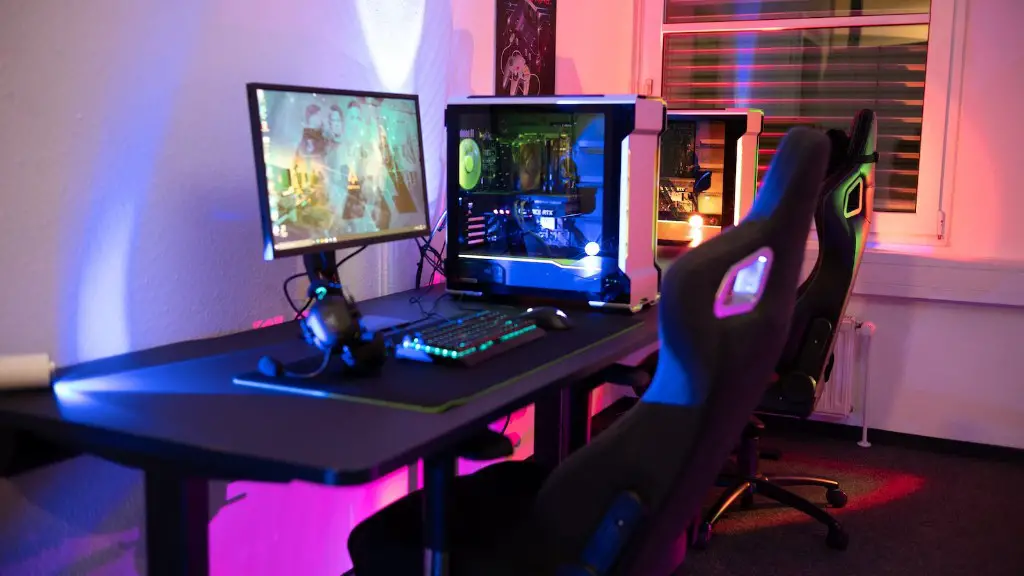
Alternatively, you could consider branching out into other hardware, such as hardware for home theaters or mobile devices. Most of these builds follow a similar process, although they often require some additional know-how and research. Ultimately, the possibilities are endless, and building PC’s can be a great way to get into hardware and embrace the DIY culture.
