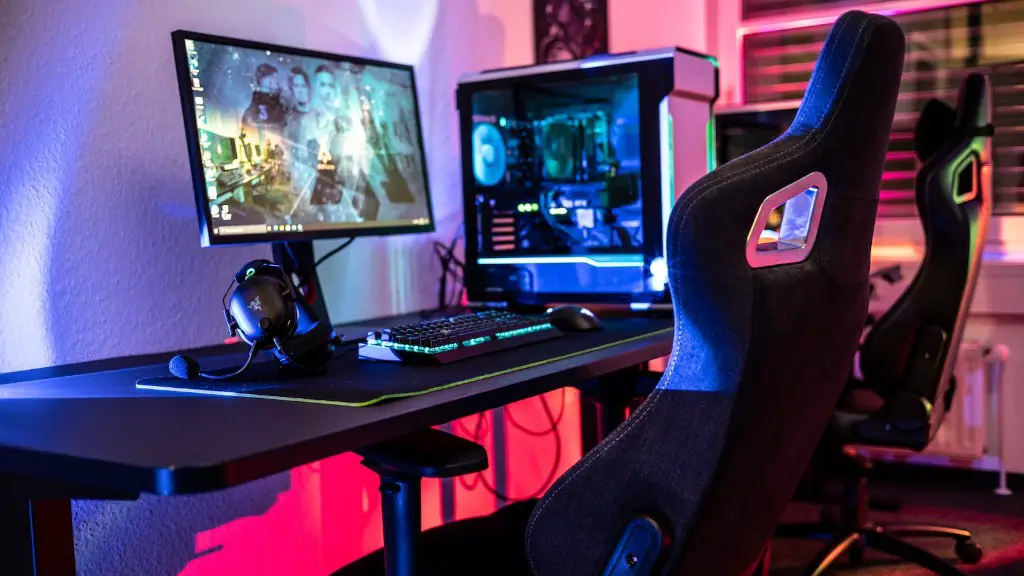
What does it mean when we say gaming PC is overkill? In the simplest terms, it means there is more power than necessary for the task. Most gamers want to future-proof their build and invest in the most powerful components they can, but if the build is too powerful for their requirements, they are wasting money and potentially sacrificing performance.
An overkill gaming PC can come in many different forms depending on the user’s needs. A high-end gaming system will have features and hardware such as a powerful processor, multiple graphics cards, lots of RAM, multiple hard drives, and a high-end motherboard. For some, this is necessary as they may be playing games that require intense processing power or need multiple monitors to enjoy the visuals.
However, there are also times when people can go “overboard” with their gaming setup. For example, if someone is only playing casual games like online browser games, no amount of processing power is going to help them. In cases like these, the user will be better off investing the extra money into peripheral components that improve the gaming experience.

The best way to determine if a gaming PC is overkill is by taking into account the types of games being played. If the games being played are visually demanding and require a lot of processing power, then it is recommended the user invest in more powerful components. Conversely, if the games are not so demanding, then investing in small upgrades and peripherals will be more beneficial than purchasing a large, expensive PC.
In addition to the type of games being played, it is also important to consider the user’s budget. No matter how powerful the setup is, if the user is on a tight budget, it is better to focus on components that will get the most power for the money. For casual gamers, the more budget-friendly options like the discrete GPU may be a better choice than a more expensive one.
Overall, when it comes to what is overkill for a gaming PC, it is important to look at the types of games they are playing and their budget. If the user is playing more powerful games then investing in powerful components is a must. On the other hand, if the user is just casually gaming, then peripheral upgrades and budget-friendly components may be a better choice.
Power Supply
When deciding if a gaming PC is overkill, one must also consider the power supply. A powerful gaming rig requires a lot of power, and inadequate or insufficient power supply can have serious consequences. It is essential to ensure the power supply is capable of efficiently delivering the necessary power for the components being used and it should not be a source of bottlenecks.
Power supplies come in different wattages, and it is important to select one that matches the wattage required by the PC. An underpowered supply can cause damage and instability, while an overpowered supply will be a wasted expense. It is often better to purchase a power supply that is slightly more powerful than is required for better efficiency and reliability.
It is also important to consider whether an ATX12V or an EPS12V supply is required as they are different. Motherboards with a 24-pin ATX12V connection require an ATX12V supply, while motherboards with an 8-pin EPS12V connection require an EPS12V supply. Some motherboards have both types of connector, so it is important to check which type is needed.
In short, when deciding what is overkill for a gaming PC, the power supply should not be overlooked. It is important to ensure the power supply chosen is capable of providing the necessary power and is compatible with the motherboard being used.
Cooling System
The cooling system of a gaming PC is also an important factor when determining if a gaming rig is overkill. Powerful gaming systems generate a lot of heat and require efficient cooling to ensure the system runs at optimal temperatures. Without adequate cooling, the rig can become unstable and lead to irreparable damage.
Air cooling is the most common cooling method for PC gaming rigs. Air cooling systems often consist of large heatsinks with fans that move air over the components to cool them. Fans can be added or removed depending on the needs of the user, with some water cooling systems allowing for further customization.
Water cooling offers another option for cooling a gaming rig. This is often seen as a better option as it allows for improved cooling performance with less noise. Liquid is circulated through radiators or blocks to absorb and dissipate heat, making it ideal for overclocking. The downside is that water cooling systems can be expensive and can require additional maintenance.
Overall, cooling is an important factor when determining if a gaming PC is overkill. An efficient cooling system will ensure the system runs at optimal performance and provide better longevity.
Summary
When it comes to deciding what is overkill for a gaming PC, it is important to consider the type of games, the user budget, the power supply and the cooling system. For more demanding games, investing in powerful components may be necessary, but for casual gamers, upgrading peripheral components and budget-friendly components might be a better choice. When it comes to the power supply and cooling, it is important to ensure it is capable of providing the required power and is adequate for cooling the system. Ultimately, deciding what is overkill for a gaming PC will depend on the user’s requirements.
GPU

When looking at what is overkill for a gaming PC, it is important to consider the Graphics Processing Unit (GPU). This is often the most expensive component in a gaming PC as it is responsible for rendering images and graphics. High-end and powerful GPUs are usually used for better gaming performance and visuals, such as 4K resolution.
It is important to consider not only the type of GPU but also its specifications when choosing one for a gaming PC. GPUs come in different levels of power and performance, so it is important to select one that is suitable for the intended purpose. Some GPUs are better suited to casual gaming while others are better for intensive gaming with better visuals.
When looking at which GPU is overkill for a gaming PC, one must consider their budget and the applications they are running. For casual gamers, mid-range GPUs may be a better choice than the high-end GPUs, as they may have similar performance at a fraction of the price. For those who are running more intensive gaming and applications, higher-end GPUs are usually the better option.
In summation, the GPU is an important factor when determining what is overkill for a gaming PC. It is important to consider the capabilities and specifications of a GPU before selecting one, and it is also important to consider their budget and the applications they are running.
CPU
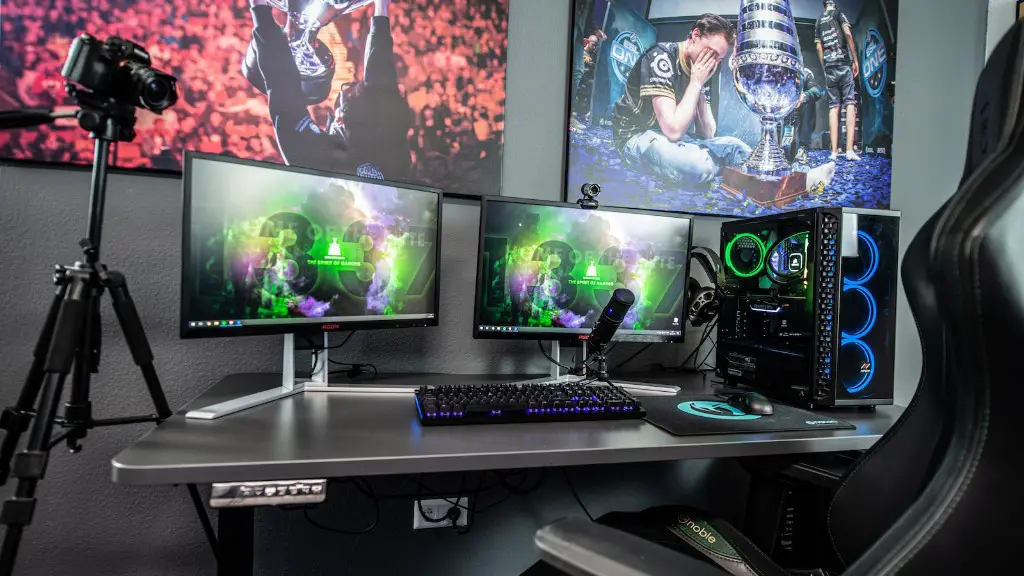
The Central Processing Unit (CPU) is another important factor when assessing what is overkill for a gaming PC. The CPU is responsible for running applications, so it is important to choose one that has enough power and performance to run the applications needed. CPUs come in different levels of power and performance, so it is important to select one that is suitable for the intended purpose.
For most gamers, a mid-range CPU should be sufficient to get the job done. However, more demanding games and applications may require a higher-end CPU for optimal performance. Investing in a CPU that is overkill can be a waste of money, so it is important to carefully consider the type of CPU needed.
Similarly to GPUs, the budget should also be taken into consideration when selecting a CPU. Some mid-range CPUs may offer equivalent performance to their higher-end counterparts, so it is important to shop around and make sure to get the best value for money.
In conclusion, when determining what is overkill for a gaming PC, the type of CPU needed is an important factor. It is important to select a suitable CPU that is powerful enough for the intended purpose and consider one’s budget. With the right CPU, gamers can ensure their rig is future-proofed for years to come.
Memory
When determining what is overkill for a gaming PC, the type of memory used must also be considered. Random Access Memory (RAM) is an important factor in gaming performance and it is essential to have enough memory to run the games or applications needed. RAM comes in different specs and speeds, so it is important to select one that matches the needs of the system.
For most gaming rigs, 8-16GB of RAM is generally sufficient and any more than that may be considered overkill. However, higher-end gaming systems with more powerful CPUs and GPUs may require more memory, so it is important to factor in the type of components and applications being used before selecting a memory stick.
In addition to the amount of RAM, the type of RAM used will also affect performance. For gaming, DDR4 is typically the preferred choice as it is faster than DDR3 and uses less power. DDR4 is also more expensive, so it is important to consider one’s budget when selecting a RAM stick.
Therefore, when looking at what is overkill for a gaming PC, the amount and type of RAM used must be taken into consideration. It is important to select a memory stick that has enough power and speed to run the applications needed and one that is within the budget.
