Overview
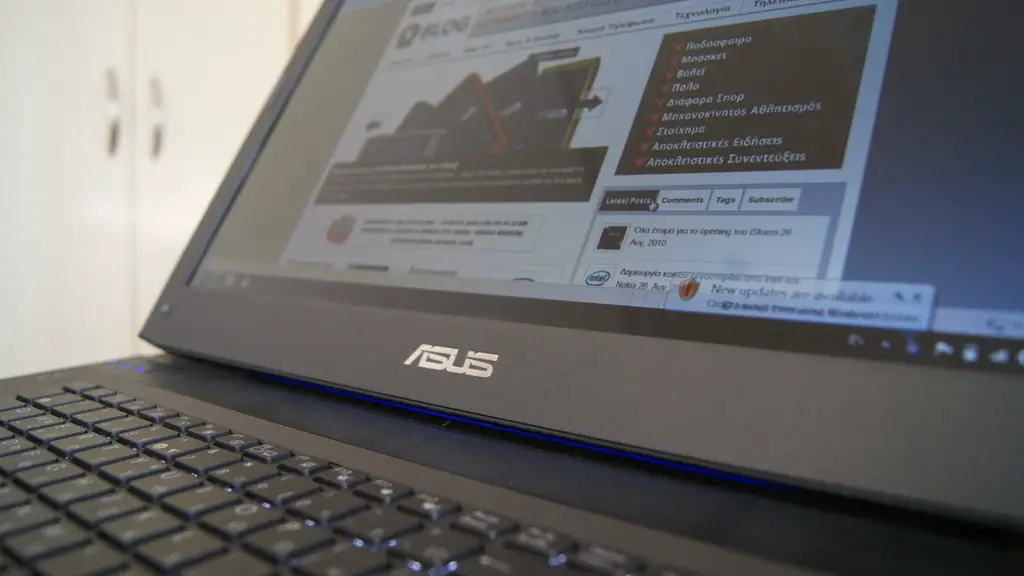
As gaming laptops become increasingly popular, businesses of all sizes and budgets are asking if they can buy them as a legitimate expense. While gaming laptops do offer a slew of features that are welcome in the business environment, such as higher-end processors, faster graphics and larger screens, there are other factors to consider before deciding if it is a sound investment for your company.
Let’s take a look at the pros and cons of using a gaming laptop in the business environment and what it might mean to your bottom line.
Pros
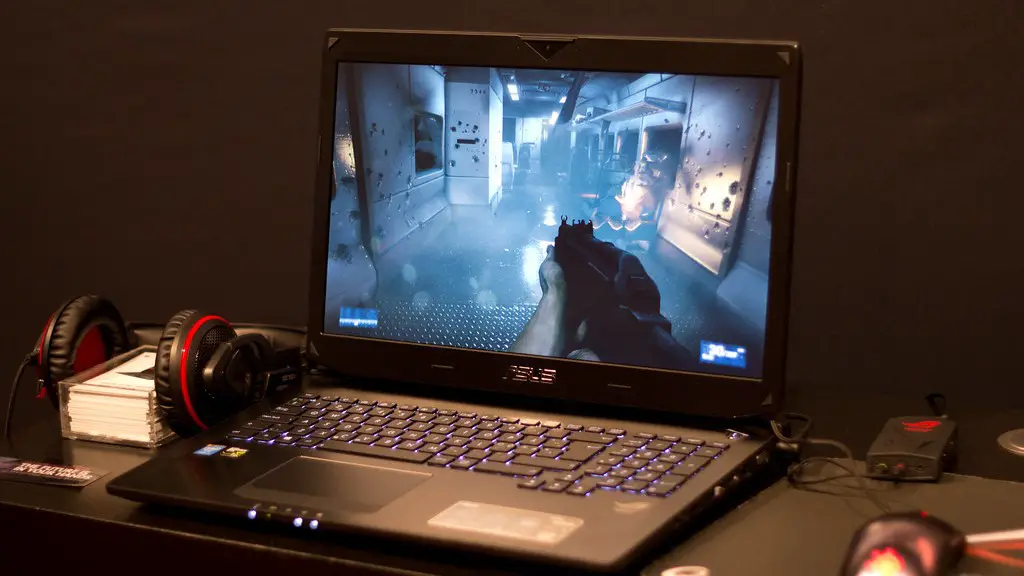
The main pro of using a gaming laptop in the business environment is the power and speed that they offer. Gaming laptops are typically outfitted with higher-end processors and graphics cards than what you would find on a more traditional consumer laptop. This makes gaming laptops ideal for tasks such as intensive video editing and high-quality photo/video renderings.
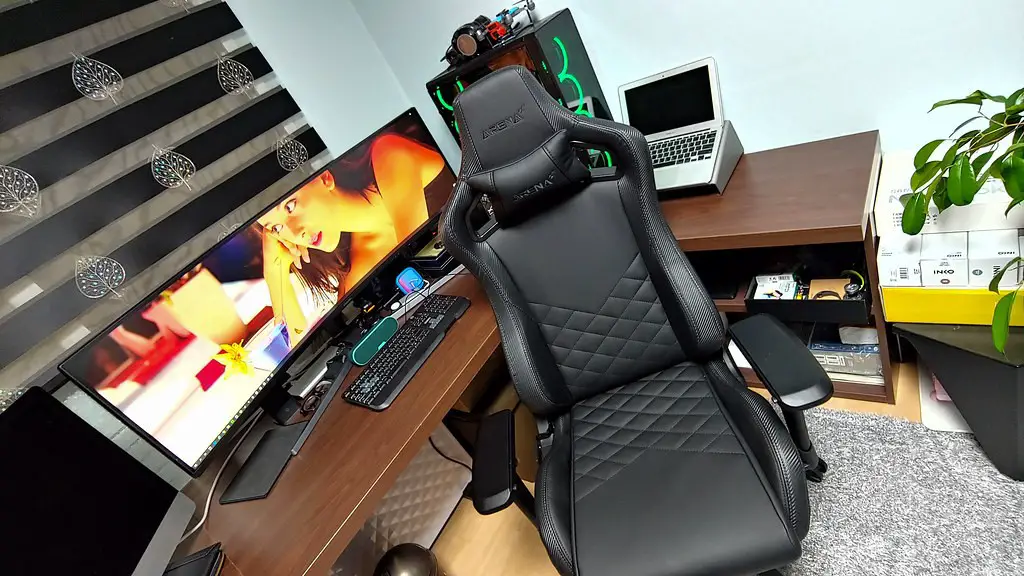
In addition, gaming laptops have larger screens than traditional consumer laptops. This allows for a more comfortable, immersive gaming experience that may be beneficial for certain jobs such as graphic design.
Finally, gaming laptops tend to have longer battery life than consumer laptops, due to their higher-end components and power-saving features. This means that for certain jobs such as remote IT support, it may be worthwhile to invest in a gaming laptop in order to ensure that you remain effective even when away from a power outlet.
Cons
Despite the obvious benefits that gaming laptops offer, they do come with a few drawbacks.
First, gaming laptops tend to be more expensive than consumer laptops due to the more powerful components that they are typically fitted with. This means that in some cases, the cost of a gaming laptop may not be justified by the tasks that it will be used for.

Second, gaming laptops are not as portable as consumer laptops. This means that they may be inconvenient to carry around to client meetings or other business functions.
Finally, it is important to keep in mind that gaming laptops are designed for gaming first and foremost. This means that the features included in gaming laptops are often designed to optimize gaming performance, and may not be necessary for simpler business tasks such as word processing or web browsing.
Expert’s Perspectives
According to IT expert and business consultant David Hamilton, gaming laptops do offer a number of advantages when it comes to their use in the business environment. He points out that the higher-end processors and graphics cards offered by gaming laptops make them well-suited for tasks such as video editing and rendering.
However, he also cautions that businesses need to carefully evaluate the cost-benefit of purchasing a gaming laptop. He recommends that businesses look at the types of tasks that the laptop will be used for and consider if a traditional consumer laptop would be sufficient for their needs.
Finally, he notes that for those businesses that do decide that a gaming laptop is the best option for their needs, it is important to ensure that the laptop is configured correctly and that the user is properly trained in its use.
Cost/Benefit Analysis
Before deciding whether or not to purchase a gaming laptop as a business expense, it is important to conduct a cost/benefit analysis in order to determine if the laptop is within your budget and if the benefits it offers outweigh the cost.
For starters, it is important to consider the specific tasks that the laptop will be used for. In some cases, the extra power and speed offered by gaming laptops may be beneficial and worth the additional cost. On the other hand, if the laptop will be used primarily for simpler tasks such as word processing and web browsing, a traditional consumer laptop may be sufficient.
In addition, it is also important to consider the portability of the laptop. If you will be taking the laptop to client meetings or other business functions, you may want to choose a laptop that is more lightweight and portable than a gaming laptop.
Finally, you should also consider the battery life of the laptop, as well as any additional features that may be beneficial for the tasks that the laptop will be used for.
Legal Requirements
When it comes to purchasing a gaming laptop as a business expense, it is important to note that not all businesses are subject to the same requirements. The legal requirements vary by jurisdiction and business type, so it is important to consult with a business and legal advisor in your area in order to determine what is required of your business.
In general, businesses that are looking to purchase a gaming laptop as a business expense will need to keep track of the purchase and be able to justify its value to the IRS in order to avoid any potential liabilities. They may also be required to provide proof that the laptop was used for legitimate business purposes and justify any other related expenses such as travel or maintenance.
Tax Implications
It is important to keep in mind that any gaming laptop that is purchased as a business expense may be subject to taxes. Depending on the jurisdiction, the tax rate may be different for gaming laptops than for other types of computers. Consult a tax professional in your area in order to determine what taxes you may be liable for before making a purchase.

In addition, it is important to note that the IRS may also require you to provide proof that the laptop is being used for legitimate business purposes. If they determine that the laptop is being used primarily for personal entertainment, they may require you to pay additional taxes or fees.
Conclusion
Overall, while gaming laptops offer a number of advantages over traditional consumer laptops, they may not always be the best option when it comes to purchasing a laptop as a business expense. Businesses will need to carefully consider the pros and cons, as well as any legal and tax implications, before deciding if a gaming laptop is the right choice for their needs.