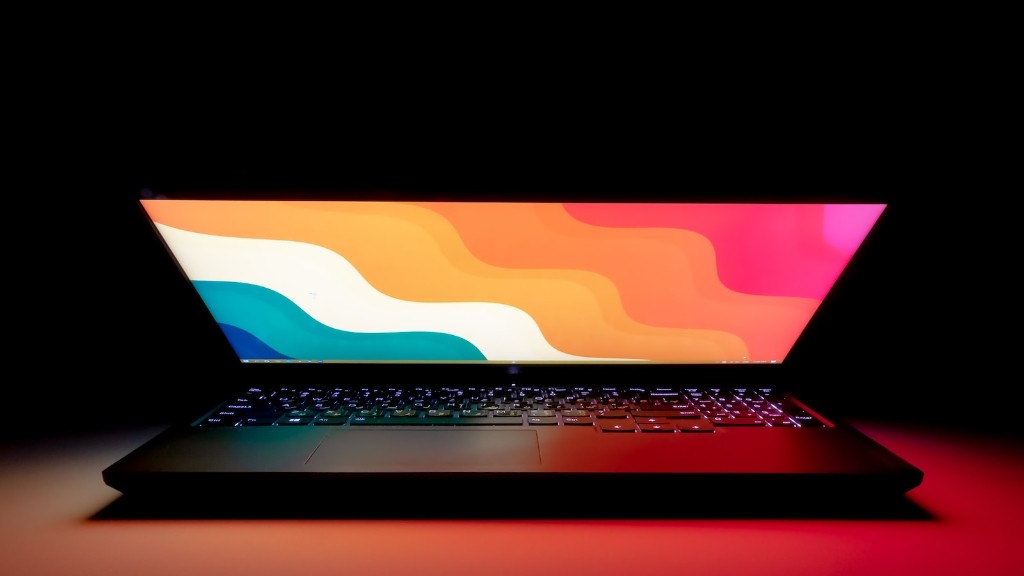
Can You Change The Graphics Card On a Gaming Laptop?
Upgrading the graphics of a gaming laptop is a complex procedure involving many trade offs and potential issues. Many professional gamers want to know if they can change the graphics cards or GPUs of their gaming laptops to enhance their gaming performance.
Typically, users cannot change the GPUs of laptops due to two major reasons. Firstly, the main Printed Circuit Boards (PCBs) of most laptops are carefully manufactured to fit GPU structures and should not be tampered with. Secondly, the cooling solutions provided by manufacturers are specially designed to accommodate and cool the original GPU configuration. These two factors limit many laptop users from upgrading the graphics card of their device.
However, some people have managed to undertake the complex process of upgrading the graphics cards. Depending on the laptop configuration and portability, gamers can simply replace the GPU of their laptop and replace it with a new one. This replacement should not significantly affect the physical form factor of the laptop, provided that the new GPU has a budget-oriented form factor.
Furthermore, lenders provide the much needed assurance for their laptop GPUs. To ensure that their laptops’ GPUs provide reliable performance and that certain temperatures are not exceeded, manufacturers have special cooling solutions for their GPUs. Tampering with this might affect the lifespan and quality of the GPU and should generally be avoided.
When it comes to customizing a gaming laptop, user preferences vary. Even though some users may want to change the graphics card of their laptop, they should take proper precaution while doing so. Experts recommend that the laptop’s manufacturer should be consulted before attempting modifications. Many times, the manufacturer will be able to give detailed instructions on how to upgrade or repair the graphics card. Additionally, some laptop models may not even be supported by their creators, making it impossible to upgrade the graphics cards.
Options for Upgrading Without Changing GPUs
Although users cannot directly change the GPU of a gaming laptop, they can still enhance the performance of their device. Increasing the internal memory of the gaming laptop by adding RAM chips is an option for increasing performance. RAM chips can be easily added to the laptop to provide additional memory for loading graphical assets and data.
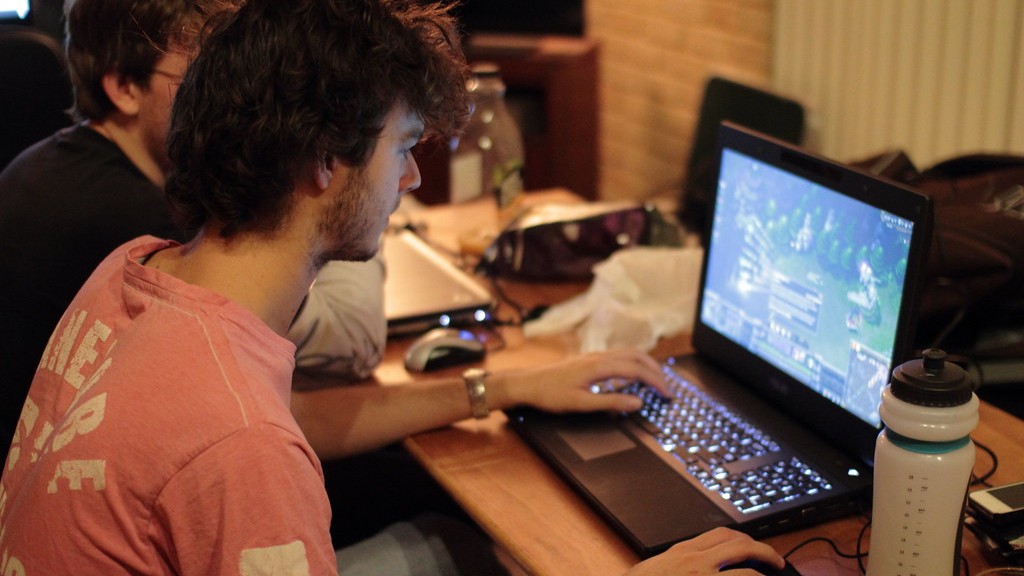
Apart from adding RAM, users can also replace their graphics card driver to improve performance. This should be done with caution, however, as it is a risky task due to the instability of many graphics drivers. Furthermore, developers also regularly provide updates for specific graphics chips to improve performance and stability, these updates should be checked every few months.
Retrofitting GPUs
Though it is much more difficult to do so, laptop users can also opt to retrofit their GPUs. In this case, the user would need to install a custom cooling system which can support the new GPU and keep the core temperature at acceptable levels. This requires a lot of technical knowledge since the laptop must be taken apart and custom cooling parts installed. Further, laptop manufacturers do not provide their own customized cooling solutions for custom GPUs making it hard for novice users to participate in this process.
Additionally, the thermal design power of the new GPU should also be taken into consideration. If the TDP (the maximum rate at which a-chip can dissipate heat) of the device exceeds the TDP of the laptop, then the laptop could suffer thermal overload and damage.
Cost of Upgrading
The cost of the new GPU itself is only one of several factors which must be taken into consideration when deciding to upgrade a gaming laptop. Additionally, the user must factor in the costs associated with obtaining the new GPU and the parts necessary to install it. Installing a new GPU may require the purchase of a cooling system, thermal paste and other tools.
Further, users must consider the labor costs associated with retrofitting their gaming laptop. This might require hiring a reliable technician to either create a new custom cooling system or help the user to safely install the new GPU. Regardless, the cost of upgrading the graphics card can become too high and might not be worth it in the end.
Performance Boost Through Overclocking
Instead of replacing their GPU, many laptop users opt for overclocking their existing GPUs to gain additional performance. Overclocking is a process which increases the clock frequency of the current GPU. While this does not provide a significant boost to the graphics performance, it does enable users to acquire small performance gains.
Moreover, since the original cooling solution of the laptop should still be utilized, the laptop should not suffer from any thermal damages due to overclocking. Overclocking also requires specialized knowledge of the hardware and software, such as the BIOS, to be able to adjust and monitor the GPU’s clock frequency.
Risks of Overclocking
Although overclocking can provide a slight performance boost, the safety of the laptop should also be taken into consideration. As with the installation of a new GPU, the laptop should be monitored for overheating and other performance issues. Damage incurred by overclocking can be permanent and may even lead to the GPU being compromised.
Additonally, overclocking can put a lot of strain on the laptop batteries and reduce their life expectancy. Users should also try to cut down on excessive background processes and other software applications which can negatively impact the overall performance of the laptop.
Upgrading Considerations
When attempting to upgrade the graphics card of a gaming laptop, the user should be aware of the risks associated with such a task. Additionally, informing the laptop manufacturer and obtaining their advice should be a priority before attempting to customize the laptop’s graphics card. If these precuations are taken, then the laptop should still be able to run games smoothly and overheat risks should be minimal.
Apart from this, users can opt for the other options of enhancing their gaming laptops such as overclocking, installing additional RAM and updating their graphics driver. Each of these methods would provide different levels of performance benefits, but should be done with care if the user wishes their gaming laptop to stay in its optimal condition.