4K gaming monitors are becoming increasingly popular in the gaming community for their higher resolution, lower cost and improved gaming experience. They offer higher resolution than Full HD monitors, with many offering up to 4 times the resolution. On top of that, they tend to have a wider color palette than Full HD monitors, making them more suitable for gaming. But do you actually need a 4K gaming monitor?
The answer is that it depends. If you are a casual gamer, a 4K gaming monitor may not be necessary. This is because 4K monitors require a powerful graphics card in order to take full advantage of the resolution, which can drive up the cost and complicate setup. Furthermore, newer games may not be optimized for 4K, so you may not be able to take full advantage of the resolution’s benefits.
However, if you are a more serious gamer, a 4K gaming monitor may be worth investing in. 4K monitors offer higher resolution and more vibrant colors, which can make for a more immersive and enjoyable gaming experience. Additionally, many newer games are released with 4K support, making it worth investing in a monitor capable of outputting the resolution.
When deciding on a 4K gaming monitor, it is important to consider what type of games you plan to play. If you are planning to play games that don’t have 4K support, then you might be better off saving your money and getting a Full HD monitor. However, if you’re planning to play games with 4K support, then a 4K gaming monitor is definitely worth considering.
In conclusion, whether or not you need a 4K gaming monitor largely depends on your gaming habits. For casual gamers, 4K gaming monitors may not be necessary, but for serious gamers, 4K gaming monitors can offer an improved experience over Full HD monitors.
Screen Size
When considering a 4K gaming monitor, it is important to consider screen size. 4K monitors come in a variety of sizes ranging from small (e.g. 24”) to extra-large (e.g. 32”). The larger the screen size, the higher the resolution, making it more suitable for gaming purposes. In addition, the larger the screen size, the more immersive the gaming experience tends to be.
However, it is important to note that larger monitors have a higher power draw and tend to be more expensive. Additionally, it is important to keep in mind that larger monitors require larger desks, which may not be feasible for some gamers.
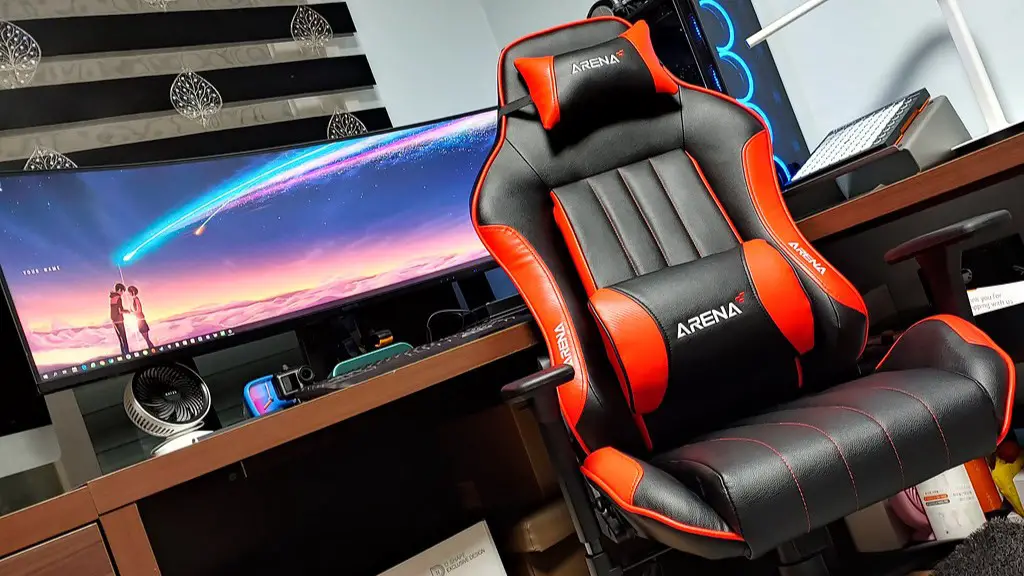
As such, it is important to carefully consider your budget, available space and gaming needs when choosing a 4K gaming monitor. It is also important to ensure that your graphics card is powerful enough to support the resolution.
Aspect Ratio
Another factor to consider when choosing a 4K monitor is the aspect ratio. This is the ratio of width to height of the monitor. The two most common aspect ratios are 16:9 and 21:9.
Generally speaking, 16:9 is the more common aspect ratio, with most pre-built monitors offering it. This is because it is a compromise between a wider and flatter picture, allowing for maximum viewing pleasure while utilizing minimal desktop space.
However, if you’re looking for the best possible gaming experience, then 21:9 is the way to go. This aspect ratio provides a wider field of view, allowing for an even more immersive gaming experience. However, it is important to note that this aspect ratio is more expensive and requires a larger desk.
Refresh Rate
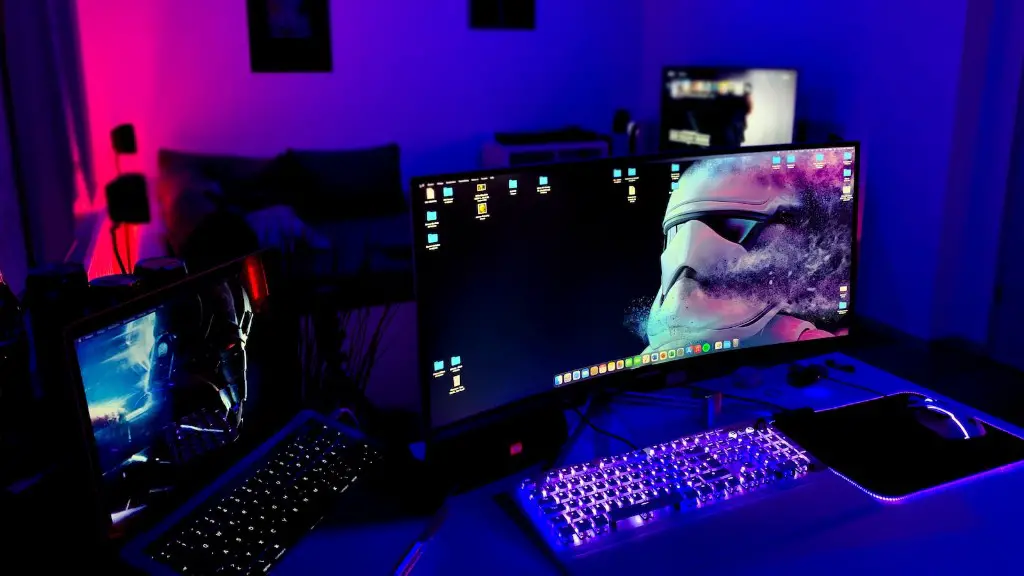
In addition to resolution and aspect ratio, refresh rate is an important factor to consider when choosing a 4K gaming monitor. Refresh rate determines the number of times the monitor refreshes its image per second, with higher refresh rates providing smoother visuals and less motion blur.
Generally speaking, 4K monitors offer a refresh rate of 60Hz and higher. However, if you’re looking for an even smoother gaming experience, then you can opt for a 4K gaming monitor with higher refresh rate (e.g. 144Hz or even 240Hz).
It should be noted, however, that higher refresh rates require more powerful graphics cards and more expensive monitors. Therefore, it is important to consider your budget and available graphics card when choosing a 4K gaming monitor.
Connectivity
Lastly, it is important to consider the available connectivity options when choosing a 4K gaming monitor. The most popular connectivity options are HDMI and DisplayPort. HDMI is the most common connection type, allowing for a wide range of device compatibility. DisplayPort, on the other hand, is less popular but can provide higher bandwidth and thus, higher refresh rates.
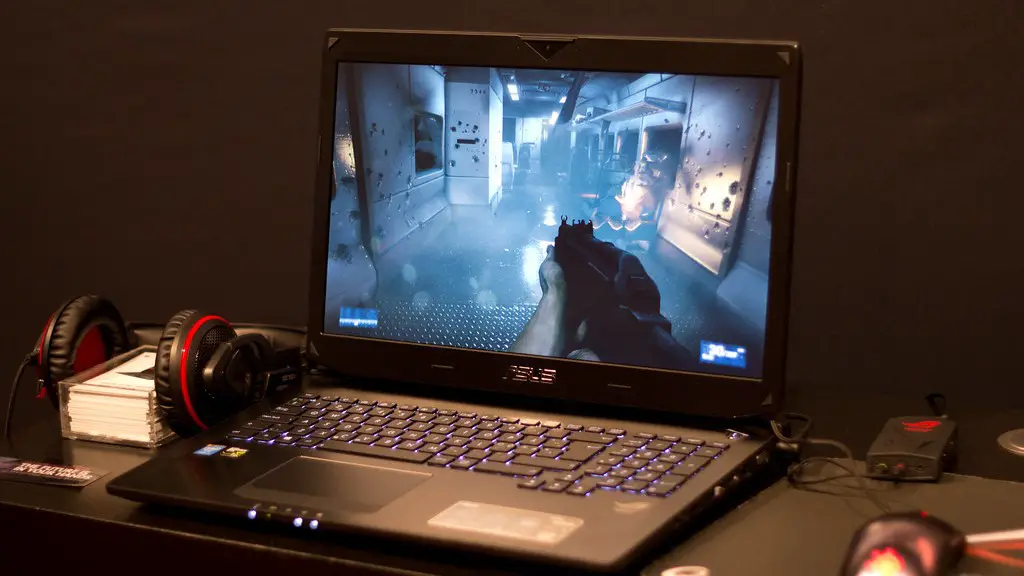
When considering connectivity, it is important to note that some 4K gaming monitors may require dual connections in order to achieve maximum resolution and performance. Therefore, it is important to make sure that your computer and monitor are compatible.
Response Time
The response time of a monitor determines how fast it is able to display an image. Lower response times are preferable for gaming, as they allow for smoother and less distorted visuals.
When choosing a 4K gaming monitor, it is important to consider the response time. Lower response time monitors tend to be more expensive, but are worth considering for gamers that demand the smoothest possible visuals.
Viewing Angles
The viewing angle of a monitor determines how easily it can be viewed from various angles. This is important because it affects the overall visual quality of the monitor. It is important to note that when viewing a monitor at a wide angle, the colors may appear distorted and the brightness may be reduced.
As such, when choosing a 4K monitor, it is important to consider the viewing angle. Monitors with a wide viewing angle (e.g. 178 degrees) tend to be more expensive, but are well worth the extra cost for an improved gaming experience.
Price
Price is also an important factor to consider when choosing a 4K gaming monitor. Generally speaking, 4K gaming monitors can range from relatively low in price to way out of reach for most gaming budgets. When budgeting for a 4K gaming monitor, it is important to consider what features are important for the monitor you are looking for.
For instance, if you need a large screen size, 144Hz refresh rate and wide viewing angles, then you may need to be prepared to pay a premium. However, if you are ok with lower specs such as a lower refresh rate and narrower viewing angles, you may be able to find a monitor that fits your budget.