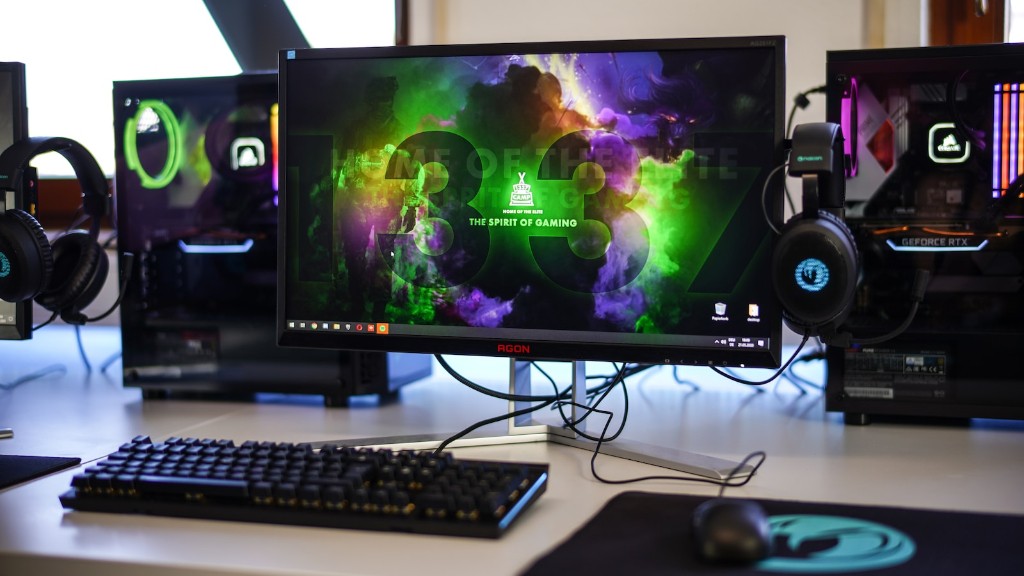
If you’re considering upgrading to a Solid State Drive (SSD) for your gaming PC, the answer is almost always yes. An SSD can help you maximize performance and improve your gaming experience. SSDs provide several benefits, including faster boot times, quicker game and load times, higher storage capacity, and improved reliability. There’s a lot to know about SSDs and how they benefit gaming, so let’s take a closer look.
Speed and Latency
One of the most important aspects of SSDs is their speed. An SSD can provide significantly faster data read and write times than a standard hard drive. That speed translates to shorter boot times, faster loading and idle times, and extra frames per second during intensive gaming. Latency is also greatly reduced, allowing for smoother gameplay and fewer skipped frames.
Capacity and Reliability
SSDs have a much higher storage capacity than their HDD counterparts. They’re also much more reliable and don’t suffer from the same wear and tear. SSDs don’t have moving parts, so they don’t produce any noise when they’re in use. This makes them more energy-efficient, as well as more resilient against mechanical damage.
Heat Dissipation and Cooling
Another benefit of SSDs is that they generate very little heat, if any. This means they don’t need any special cooling, which in turn helps reduce noise, power consumption and operating temperature. They also don’t need active, or even passive, cooling measures. These factors can help reduce overall system cost and increase the life of your gaming rig.
Are SSDs for Everyone?
In general, an SSD is recommended for most gamers. Even if you’re a casual gamer who doesn’t need the absolute most out of their gaming rig, an SSD can still help improve your experience. It will boot Windows faster, load games quicker, and allow you to multitask like never before.
SSDs and Cost
Of course, cost must factor into the equation. For a basic gaming PC, an SSD may not be completely necessary. However, as the size and complexity of games grows, SSDs are becoming increasingly common and affordable. Their price is dropping all the time, so it may be worth investing in an SSD to get the most out of your gaming rig.
Requirements For An SSD
If you decide to upgrade to an SSD, you’ll need the appropriate hardware. For starters, you’ll need a system supporting Serial ATA (SATA) 3.0. This is usually included in modern motherboards, but it’s always worth double-checking. You should also factor in the speeds of the SSDs you’re considering; most games will require at least 500MB/s for read speed.
Types of SSDs
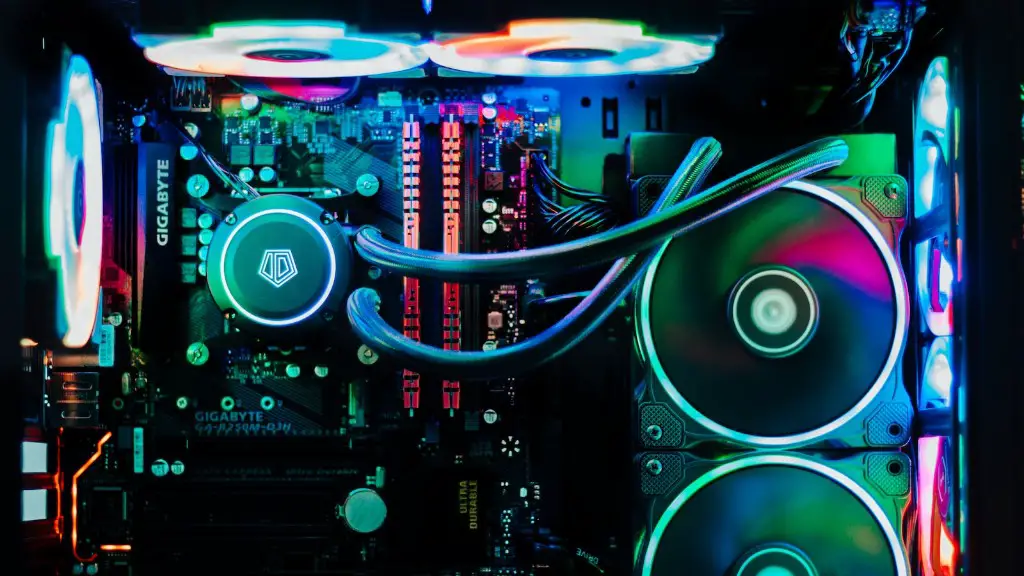
There are different types of SSDs available. 2.5’’ drives typically come in SATA 3.0, M.2 and NVMe, with the latter two being the faster options. SATA 3.0 is more power-efficient, while M.2 and NVMe are faster. Keep in mind, though, that you’ll need to make sure your PC is compatible with the type of SSD you choose.
Hardware Profiles
Hardware profiles are another factor to note if you plan on upgrading to an SSD. Most motherboards have a number of different hardware profiles that let you adjust the performance and power settings of your PC. Taking advantage of these profiles can help ensure that your PC is optimally configured to use an SSD.
Menu Modifications
To use an SSD with your gaming rig, you’ll also need to make sure your OS recognizes it. You can do this by making appropriate modifications to your OS settings. On Windows, for example, this will usually involve altering the power settings or enabling disk configuration mode. These steps can vary depending on your OS and the type of SSD you’re using.
Correct Drivers for SSD
Finally, you’ll also need the right drivers for your operating system and SSD. Make sure these are up-to-date and optimized before you attempt to install the SSD and use your gaming rig. This ensures that the SSD works properly and provides you with the performance you expect.
Advantages and Disadvantages
It’s important to consider the advantages and disadvantages of SSDs before deciding if they’re right for your gaming PC. SSDs offer several advantages over HDDs, including improved speed, higher capacity, and better reliability. They’re also more resilient against mechanical damage and produce less noise. On the other hand, SSDs tend to be more expensive than their HDD counterparts and can be prone to losing their contents due to power outages.
Are SSDs Worth It?
SSDs can be a great choice for gamers who need to get the most out of their rig. They offer several benefits, including faster data read and write times, more efficient cooling and better reliability. On the other hand, they can be expensive and may not be necessary for those who don’t need all the features an SSD can provide.
Conclusion
Overall, SSDs can be a great choice for gamers who want the best performance from their gaming PC. They offer several benefits, including faster data read and write times, more efficient cooling, and improved reliability. Additionally, their price is dropping all the time, making them more cost effective than ever before. Before making any decisions, however, it’s important to assess the pros and cons of SSDs for gaming and decide if they’re worth it for you.