The ongoing debate about whether or not a PC is essential for gaming or not has been around for a while. Many gamers argue that gaming on a PC gives them an edge over console gaming, while others argue that the choice of which platform to use comes down to a personal preference. Here, we will discuss the pros and cons of gaming on a PC, and whether or not a dedicated gaming monitor is needed.
It is first important to understand what exactly a gaming monitor is. A gaming monitor is a computer monitor that is specifically designed for gamers. It is typically larger than the standard monitor and has higher refresh rates, lower input lag, and greater color reproduction than a conventional monitor. In addition, they usually feature curved panels and ergonomic designs to reduce eye strain and make gaming more comfortable.
The main benefit of using a gaming monitor with a PC is the increased control over graphics settings. With a PC, you can adjust the resolution, refresh rate, and the amount of graphics processing power depending on the type of game you are playing and the visuals you are looking for. This gives you a much more immersive experience than a console can provide.

One of the major drawbacks of using a PC for gaming is cost. A dedicated gaming monitor and a gaming PC can easily cost thousands of dollars, whereas consoles are much more affordable. Additionally, consoles are easier to set up and maintain, since they are already configured and optimized for gaming.
Ultimately, the decision of whether or not to use a PC for gaming ultimately comes down to personal preference. While a PC and gaming monitor can offer a more immersive gaming experience due to increased control over graphics settings, the cost of investing in a gaming-ready rig could be hard for some gamers to justify. On the other hand, consoles offer a more affordable and accessible option.
Gaming with a PC and Dedicated Monitor
When using a PC and a dedicated gaming monitor, gamers get access to a range of features and benefits they won’t find with a console. The most notable is the ability to customize the settings of your PC and monitor to the game you are playing. This means that you can adjust the resolution, refresh rate, and even the amount of graphics processing power, depending on the visuals you are looking for.
Aside from this, gaming on a PC and dedicated gaming monitor can also reduce eye strain. Gaming monitors typically feature curved panels and ergonomic designs to reduce fatigue. And because gaming monitors have higher refresh rates, gamers have a smoother and more immersive experience than they would find on a console.

Finally, gaming on a PC lets gamers take advantage of the latest technologies. Whether it’s virtual reality or 4K visuals, a powerful gaming rig is the best way to experience these technologies. Console gamers can take advantage of some of these advancements, but this experience will still be inferior to what a powerful gaming PC can offer.
With all these benefits, however, comes a hefty price tag. High-end gaming rigs can easily cost thousands of dollars, making them out of reach of some gamers. Additionally, PC gaming also requires more expertise and technical knowledge than console gaming. Setting up and maintaining a PC can be a daunting task for many gamers.
What Benefits Are Gained From Console Gaming?
Console gaming has been around for more than three decades and has become an integral part of the gaming landscape. While PC gaming may provide more control over graphics settings and visual fidelity, there are still several distinct advantages to gaming on a console.
The primary benefit of console gaming is cost. Not only are consoles significantly cheaper than a gaming PC, but they are also easier to upgrade. If you want to stay on top of the latest trends, consoles are a great way to do so. Additionally, consoles are typically much easier to set up and maintain, since a great portion of the work has already been done for you.
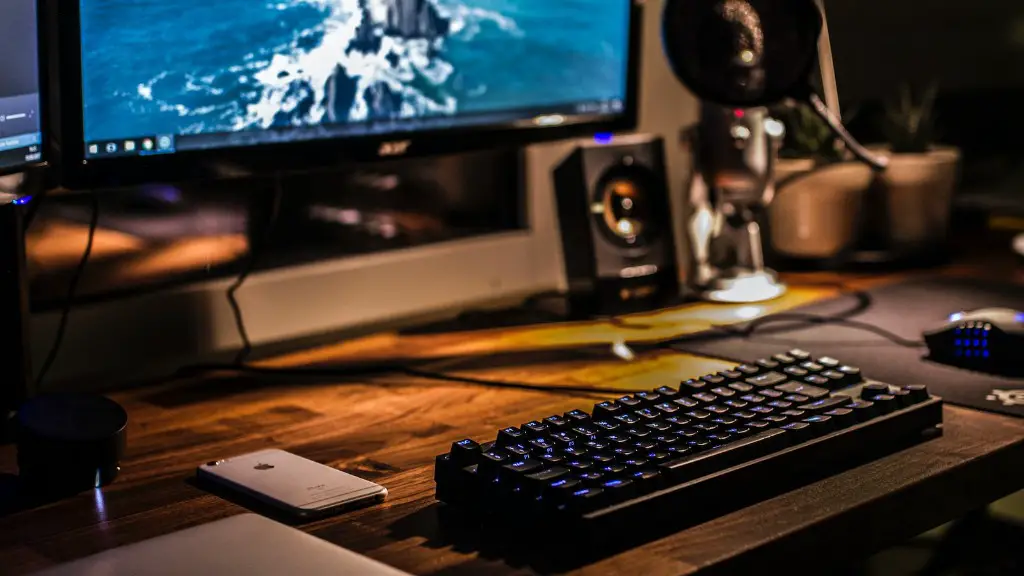
Console gaming also has less of a learning curve than PC gaming. As mentioned previously, PCs require more knowledge and expertise when it comes to setting up and maintaining them. And because everyone is used to the design and layout of the consoles, they are easier to pick up than PC gaming.
Finally, console gaming has more mainstream appeal. It is much simpler to get friends involved in gaming on a console as opposed to on a PC. This is because most people are familiar with the design and layout of a console, whereas a PC may be unfamiliar or come off as intimidating.
Which Platform Should You Choose?
Choosing between a PC and a console for gaming ultimately comes down to personal preference. If you want the most control over graphics settings, the latest technologies, and smoother visuals, a gaming PC is probably the way to go. However, if cost and accessibility are more important than the visuals, console gaming is a great way to go.
If you decide to go with a PC, remember to invest in a dedicated gaming monitor if you want an immersive gaming experience. Gaming monitors come in a variety of shapes, sizes, and prices, so it’s important to do your research to find one that best meets your needs.

Finally, regardless of which platform or monitor you choose, always remember to have fun. That’s what gaming is all about.
What Are The Advantages Of A Gaming Monitor?
One of the most important pieces of hardware a gamer should consider when investing in a gaming PC is a dedicated gaming monitor. Gaming monitors are specifically designed for gamers and typically come packed with a number of features that can provide a smoother, more immersive gaming experience.
One of the main advantages of a gaming monitor is its ability to reduce eye strain. Gaming monitors come with ergonomic designs, curved panels, and lower input lag that can lessen the amount of eye strain gamers experience. Additionally, gaming monitors usually have higher refresh rates and greater color reproduction, making the visuals more immersive and realistic.
Another major benefit of gaming monitors is the ability to adjust settings on the fly. With a gaming monitor, gamers can adjust the resolution, refresh rate, and the amount of graphics processing power they want to use, depending on the type of game they are playing and the visuals they are looking for.
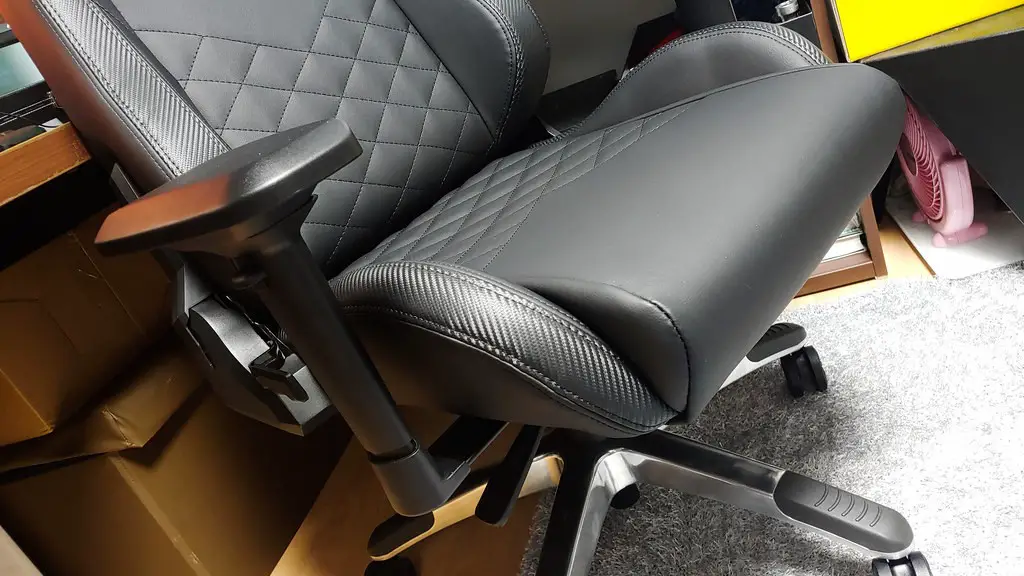
Finally, gaming monitors can come with a number of other features such as speaker systems, built-in LED lighting, and a variety of ports to provide gamers with an even more immersive gaming experience.
Conclusion
Whether or not to use a PC for gaming ultimately comes down to personal preference. While a gaming PC and a dedicated gaming monitor can provide gamers with a more immersive experience due to greater control over visuals settings, this option also comes with a hefty price tag. On the other hand, console gaming offers a more cost-effective and accessible option. If you do choose to go with PC gaming, consider investing in a gaming monitor; they come with a range of features that can provide an even more immersive gaming experience.