
In order to avoid building a faulty gaming PC, there are a few things you should keep in mind. Firstly, do your research on which parts are compatible with each other before purchasing anything. Secondly, be careful when handling sensitive components, and be sure to follow any instructions to the letter. Finally, take your time in putting everything together, and don’t be afraid to ask for help if you’re unsure of something. By following these simple steps, you can be sure that your gaming PC will be up and running in no time.
Building a gaming PC can be a great way to get into PC gaming, but it can also be a very costly endeavor. Here are a few tips on how not to build a gaming PC:
1. Don’t skimp on the components. A gaming PC is only as good as the sum of its parts, so make sure to invest in quality components. Cheap ones will only limit your gaming experience and may even break down after a short time.
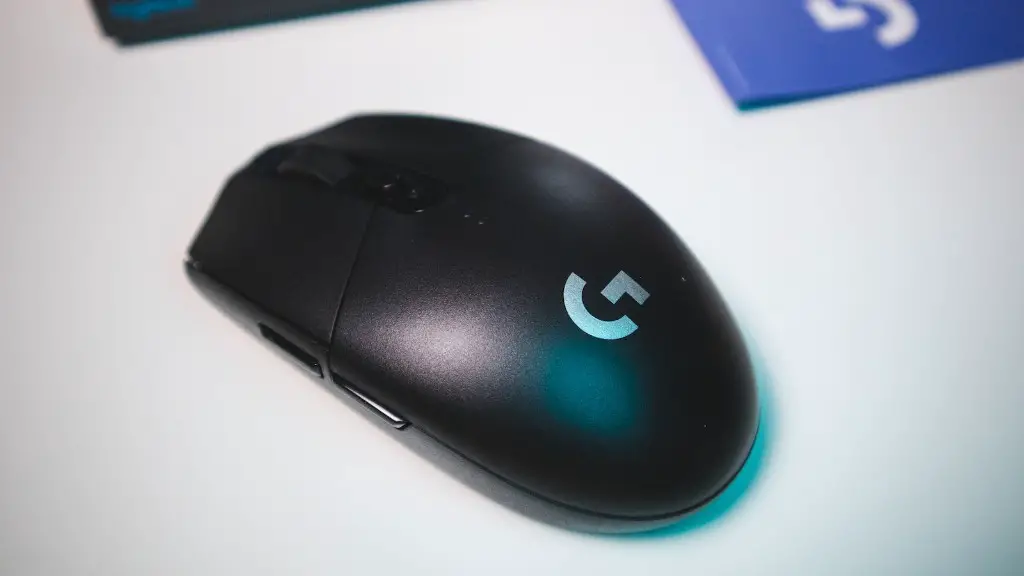
2. Don’t forget to factor in the cost of peripherals. A gaming PC is not complete without a good gaming mouse, keyboard, and monitor. Make sure to budget for these items as well.
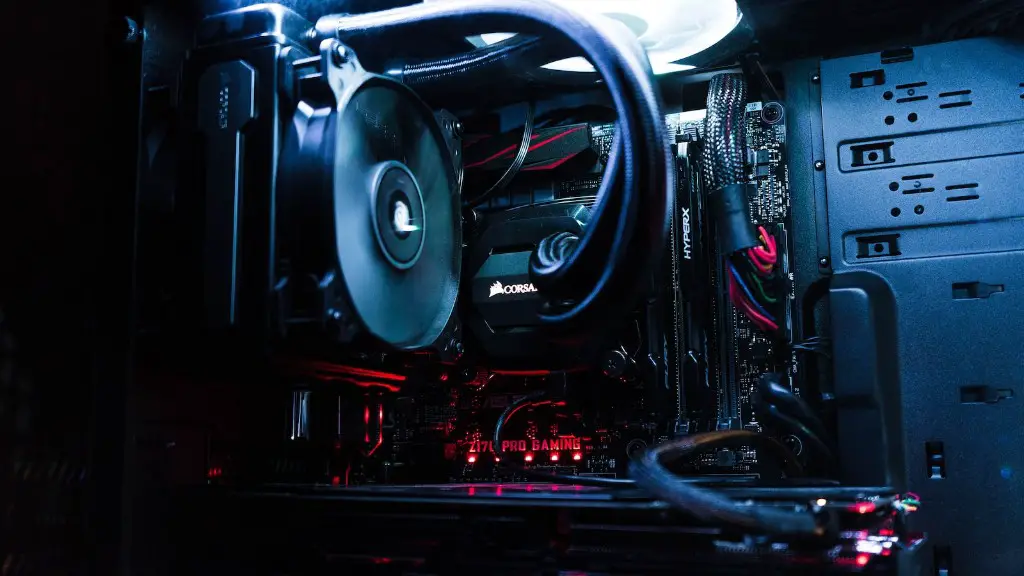
3. Don’t neglect your cooling system. A gaming PC generates a lot of heat, so make sure to invest in a good cooling system. Otherwise, your components will overheat and may break down.
4. Don’t forget to install a good graphics card. A graphics card is essential for any gaming PC. Without one, you’ll be stuck with lower resolutions and framerates.
5. Don’t cut corners on the power supply. A gaming PC requires a lot of power, so make sure to invest in a good quality power supply. Cheap power supplies
What to avoid when building a PC?

There are a few common mistakes that people make when choosing components for their computer. Here are 11 of the most common ones:
1. Buying a cheap, low-quality power supply.
2. Spending too much on lower-impact components and too little on important components.
3. Accidentally choosing components that aren’t compatible with each other.
4. Pairing a CPU that can be OC’d with a motherboard that doesn’t OC.
5. Overlooking the importance of cooling.
6. Forgetting about expandability.
7. Not knowing your needs.
8. Buying more than you need.
9. Not doing your research.
10. Relying on brand name.
11. Not considering used components.
There are many advantages to building a non-gaming PC. First, self-built PCs are easy to fix and upgrade. Second, you can reuse some of your old parts in new builds in the future. This makes building a non-gaming PC a very wise investment.
Is it worth it to build or buy a gaming PC
Building a PC will actually save you money in the long run, because you will likely not need to replace or repair components as often as with a pre-built. Easier to Fix When a component fails inside a PC you built, it is easier to identify because you are more familiar with each part.
Your PC can take a lot of abuse, but there are some things you should never do to it. Forget to clean it, plug it into the wall, clean your display with solvent, shove the CD tray closed, power it down while it’s in the midst of saving your game, mix your recyclables, install drivers, or do anything, without restarting. These are all things that can damage your PC and cause it to malfunction.
What can harm your PC?
There are many different types of computer infections, each with its own purpose and method of attack.
Viruses are designed to replicate themselves and spread throughout a system, causing damage and disrupting normal operations.
Worms are similar to viruses, but they don’t need human help to spread. They can self-propagate and spread quickly, often causing widespread damage.
Adware, spyware and ransomware are designed to track what you do online, gather data about you, and even steal your data and hold it hostage. These threats can be difficult to remove and can cause a lot of damage.
There are a lot of people who say that building a PC from scratch is very difficult and that you are likely to mess it up. However, I believe that as long as you are careful and have a good understanding of the process, you will be fine. Just like flying an airplane or driving a car, building a PC from scratch requires knowledge and understanding of the process. With that said, I would not recommend building a PC from scratch to someone who is not informed about the process.
Do I actually need a gaming PC?
A regular PC may be able to run some basic or older games, but you need a dedicated graphics card and more powerful hardware to play the latest titles. Today’s top-tier games are among the most computationally complex tasks a computer can do.
Building a PC is a great way to get exactly the hardware you need and the customization options you want. It’s also easier than you might think, so don’t be intimidated by the process. You’ll be glad you took the time to build your own PC once you see how well it works for you.
What’s better a prebuilt or custom PC

There are several benefits to building your own PC or having a professional customize a PC for you. First, you have far more hardware configuration options than with a pre-built PC. This means you can tailor the PC to your specific needs and budget. Second, some custom PC builders will let you choose the look of your PC. This can be a great way to make your PC unique and personal. Finally, while there is no “cheapest” option, there are ways to save money on all types of PCs. Whether you go with a pre-built, custom-built, or DIY PC, doing your research and shopping around can help you get the best deal.
Some gamers may be able to expect their gaming desktop to last for around 5-7 years while others could potentially get more than 10-12 years out of theirs. This is without replacing or upgrading parts.
Do prebuilt PCs last longer?
Pre-built gaming PCs are a great option for gamers who want to save money. Most of them last about 4 to 5 years, although the exact number varies depending on the type of games you play and the PC’s specs. Custom-built PCs are usually more expensive, but they can last longer if you take care of them properly.
If you’re thinking of buying a new PC in 2023, you might want to think again. While there have always been ups and downs in the PC market, the next few years are looking particularly challenging, with post-pandemic inflation, rising production costs, and supply chain issues all playing a role. As a result, your money is probably better off staying in your pocket rather than being used to buy a new PC.
Does gaming reduce PC life
Laptops are increasingly becoming more powerful and capable of running demanding games, but there are still a few things to keep in mind when looking for a good gaming laptop. First and foremost, you’ll want to make sure that the laptop has a powerful enough CPU and GPU to run the games you want to play. You’ll also want to make sure that the laptop has enough RAM to support gaming, as well as a fast enough storage solution. Finally, a good gaming laptop should have a high-quality display that can offer a smooth gaming experience.
Ultimately, it is up to you to decide whether or not to power down your computer when you are not using it. If you will not be using it for a few days, it is probably best to power it down. However, if you need it to be up and running at all times, there is no harm in leaving it on.
How much RAM should a gaming PC have?
If you want to enjoy most games and get a noticeable increase in performance, 16GB of RAM is the recommended amount. You’ll be able to run applications in the background without affecting gameplay.
Using a computer for long periods of time can increase your risk of developing an injury. Inappropriate computer use can cause muscle and joint pain, overuse injuries of the shoulder, arm, wrist or hand, and eyestrain. To help prevent these injuries, it is important to take breaks often, practice good posture, and use proper ergonomic devices.
Final Words
How to not build a gaming PC:
1. Don’t do your research
2. Try to save as much money as possible
3. Buy the cheapest parts you can find
4. Don’t consult with anyone who knows anything about building PCs
5. Don’t bother with a CPU cooler
6. Get the weakest power supply you can find
7. Cheap out on the GPU
8. Don’t care about thermal paste
9. Use the stock CPU cooler
10. Don’t add any extra case fans
Building a gaming PC can be a fun and rewarding experience, but there are a few things you should avoid if you want to end up with a quality machine. First, don’t skimp on the power supply. A good power supply is the foundation of any good gaming PC, so be sure to get a quality unit. Second, don’t cheap out on the graphics card. A quality graphics card is essential for any gaming PC, so be sure to get a good one. Third, don’t forget about cooling. A good cooling system is essential for any gaming PC, so be sure to get a quality unit. By following these simple tips, you can ensure that your gaming PC will be of the highest quality.