Building a gaming PC is not as difficult as it may sound. With a few tools and some basic hardware knowledge, you can assemble your own gaming PC at home and save yourself a significant amount of money. Here’s how:
1. Decide on the components. The first step in building a gaming PC is to decide which components you need. You should consider the following factors: processor speed, memory size, graphics card, and other components such as a motherboard and power supply. Make sure that all the components you choose are compatible with each other.
2. Gather the parts. Once you have decided on the components you need, the next step is to gather the parts. The best place to buy the parts is from an online retailer that has a wide selection of gaming PC components. Make sure that you get good quality components, as this will ensure that your gaming PC runs smoothly.
3. Install the CPU and RAM. The CPU and RAM are the two main components of any gaming PC, so it is important to make sure they are properly installed. Start by installing the CPU according to the instructions provided by the manufacturer. Then, install the RAM into the motherboard and make sure it is seated properly. In order to ensure that the CPU and RAM are working properly, you should also connect them to the power supply.
4. Install the Graphics Card. The graphics card is the component of the gaming PC that will determine the performance of your gaming computer. Installing the graphics card can be tricky, so make sure you follow the instructions provided by the manufacturer carefully. Once you have installed the graphics card, make sure that it is seated properly and securely.
5. Install the Motherboard. The motherboard is an essential component of any gaming PC. Make sure to choose the motherboard according to the components you have chosen. Then, install the motherboard according to the instructions provided by the manufacturer. Make sure that the motherboard is firmly connected to the case.
6. Connect the components. Once you have installed all the components, the next step is to connect them. Start by connecting the power supply to the motherboard, then the graphics card and other components. Make sure to connect them securely, according to the instructions provided by the manufacturer.
7. Install Storage. The last step in building a gaming PC is to install the storage, such as a hard drive or an SSD. Choose the storage capacity according to the games you will be playing. Then, install the storage according to the manufacturer’s instructions.
Setting Up Cooling Options
Most gaming PCs require some form of cooling in order to avoid overheating and maintain optimal performance. There are several options available, including liquid cooling systems, air cooling systems, and fans. Each type of cooling system has its own advantages and disadvantages, so you should research them carefully before making a decision.
Liquid cooling systems are one of the best ways to keep a gaming PC cool. These systems circulate coolant through the system and remove heat from the components. They are very efficient and will generally provide better cooling performance than air cooling systems. However, they are more expensive and require more maintenance.
Air cooling systems are a more affordable option than liquid cooling systems. They rely on fans to draw cool air over the components and then exhaust the hot air out of the case. Air cooling systems are relatively easy to install and maintain, but they are not as efficient as liquid cooling systems.
Fans are the most basic option for cooling a gaming PC. They come in a variety of sizes and are relatively cheap. However, they are not as efficient as the other cooling options. Additionally, they can be noisy and require more maintenance in order to keep the temperatures under control.
No matter which cooling option you choose, make sure to use thermal paste to ensure maximum efficiency. Thermal paste helps to transfer the heat away from the components and prevents them from overheating.
Building The Computer Case
The last step in building a gaming PC is to assemble and install the computer case. The case is essential for keeping all the components securely contained and preventing them from becoming damaged. The best way to choose a case is to consider the size, material and design. The case should be big enough to fit all the components you have chosen, but not so big that it takes up too much space.
When installing the case, make sure to connect all the necessary cables. This includes the power supply, motherboard, graphics card and other components. Additionally, make sure to install any cooling fans or liquid cooling systems. Finally, make sure that the case is securely fastened and there are no gaps from which heat can escape.
Installing The Operating System and Drivers

Once the gaming PC is assembled and all the components are connected, the next step is to install the operating system and drivers. Start by downloading the operating system and associated drivers. The drivers normally come with the components, or can be downloaded from the manufacturer’s website. Install the operating system and drivers according to the instructions provided by the manufacturer.
As part of the installation, you should also configure the basic settings of the operating system. This includes setting the performance options, setting up passwords, connecting to the internet and setting up antivirus software. Once the operating system and drivers are installed, the gaming PC is ready to use.
Testing and Upgrading
Finally, it is important to test the gaming PC and ensure that it is performing correctly. Start by running a few benchmark tests to measure the overall performance. If the gaming PC meets your requirements, you can start using it. If the performance is not up to your standards, you can upgrade individual components or add new components to improve its performance.
When upgrading components, make sure to choose the right hardware and components. Additionally, make sure to install them correctly and securely. Once the upgrades are complete, you should re-run the benchmark tests to make sure the performance has improved.
Preventing Overheating
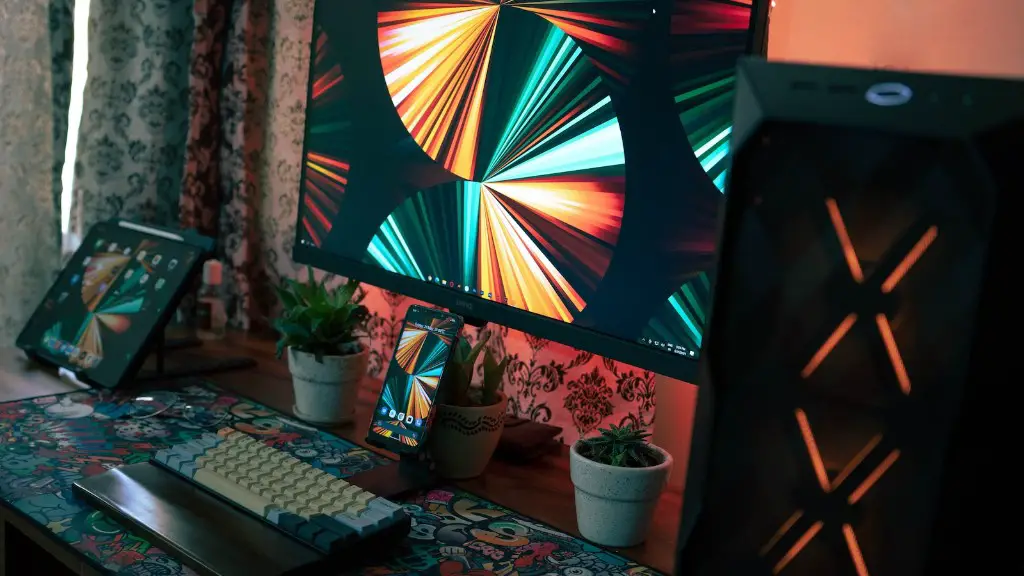
Overheating is one of the biggest problems that can affect a gaming PC’s performance. In order to prevent your gaming PC from overheating, you should ensure that all the components are running at optimal temperatures. This can be achieved by installing the correct cooling systems and using thermal paste to increase efficiency.
Another way to prevent your gaming PC from overheating is to keep the environment dust-free. Dust can get trapped inside the case and clog up the cooling fan, which can lead to overheating. Make sure to regularly clean the dust off the case and inside the components. You should also use a vacuum cleaner to clear the dust out of the case.
Finally, make sure that you are using the correct power supply. Choosing the wrong power supply can lead to too much or too little power being fed to the components. This can cause the components to run hotter than they should be and result in overheating.
