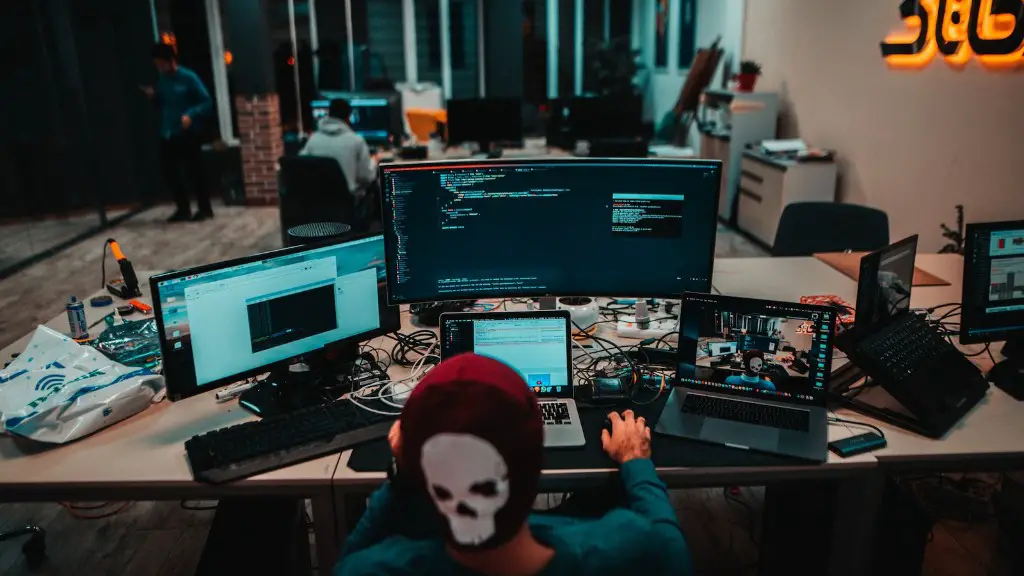
Building a gaming PC Australia is an exciting endeavor. It can be intimidating if you’ve never done it before, but using our guide, you can learn how to build a gaming PC Australia in no time. Firstly, you’ll need to decide what kind of components you require and what type of gaming performance you’re looking for. Next, you’ll need to select the right components for your gaming PC such as a CPU, GPU, RAM, storage, and other peripherals. Then you’ll need to assemble the components in a compatible case and prepare the necessary connections. Lastly, you’ll have to install an operating system, install and configure drivers and applications, and tweak the parts for optimal performance. Here’s our step-by-step guide for building a gaming PC Australia
Select Components
To build a gaming PC Australia, the first step is to select the components you need. When selecting components, it is important to consider the amount of power and performance you’ll need and how much money you can afford to spend. Consider how powerful of a CPU, GPU, RAM and storage you need as well as any other peripherals like a gaming mouse, keyboard, or VR headset. Make sure you research each component to ensure it’s compatible with the other components you’ve selected and the type of games you want to play. You can also check reviews online to identify the right components.
Assemble Components
Once you’ve selected the components, it’s time to assemble them in your compatible PC case. Begin by placing the motherboard on top and screwing it down with the supplied screws. Then slot in the CPU, making sure you align the triangle on the processor with the triangle on the motherboard and secure it with the correct latch and arm. After that, insert the RAM into the slots and connect the storage drives with SATA/IDE cables. Once everything is connected, mount the graphics card and place the proper power connectors.
Activate and Test System
When your components are connected, it’s time to boot up your system and test it to make sure everything functions correctly. Plug in the power supply and power on the system. If all went correctly, you should see the LED on your motherboard light up and the PC will start running through the system POST. If all components passed the POST, you can now move on to the next step.
Install Operating System
Your gaming PC is now almost ready to go. The next step is to install an operating system. First, install the bootable operating system from a USB on your PC. After that, run the installer and follow the instructions on the screen. When the OS is installed, reboot the system and make sure you’re able to boot into the OS.
Install Drivers and Applications
Your gaming PC is now ready to receive drivers and applications. The first step is to install the chipset drivers, followed by the drivers for the graphics card, sound card, and other peripherals. After that, install any necessary tools and applications that you’ll need. Lastly, make sure you also install the latest Windows updates.
Tweak Settings and Performance
After everything is installed and configured, it’s time to tweak the performance of your system. Check the BIOS for overclocking and memory tuning settings and adjust them accordingly. Consider adjusting the voltage and frequency of your components and make sure you have the latest drivers installed. Finally, use optimization tools to identify any areas of improvement on your system and tweak the settings where necessary.
Clean and Maintain
Maintaining your gaming PC is an important step in ensuring it runs at peak performance. Make sure you regularly clean the components and keep them free of dust. Consider using a compressed air can to blow any dust or dirt out of the case and away from the system fans. Additionally, examine the components to make sure they’ve not been damaged or replaced since the last time they were used. Properly maintained components will ensure your gaming PC Australia remains in top shape.
Upgrade and Replace
Upgrades are an important part of increasing the performance of a gaming PC Australia. When upgrading components, make sure your components are compatible with each other, and consider whether an upgrade will provide a noticeable improvement in performance. Consider replacing components like the RAM, CPU, GPU, or storage drive if they’ve become too outdated or have been damaged. Inspect the motherboard for burn spots and any other signs of damage before attempting a component upgrade.
Overclocking
Overclocking is the process of increasing the clock speed of your gaming PC components, resulting in enhanced performance. Start by looking for settings in the BIOS for overclocking and consult the manual to make sure the components can be overclocked. When making any adjustments to settings, start from a minimum and gradually increase the settings until your components are stable, while also keeping an eye on your temperatures. Overclocking can be done with caution and eventually reduce the life span of your components.
Benchmark and Monitor
Benchmarks are a great way to measure the performance of your gaming PC, while monitoring tools can identify problems with specific components or settings. Use benchmark tools to measure your performance against other users and evaluate how effective your settings are. Use monitoring tools to observe system resource usage, temperatures, and programs. This will help you identify any problems in your system and allow you to fix any issues quickly.
Cooling Options
Temperature is an important factor for gaming PC performance. As components heat up, the performance of the system will decrease. To ensure the system continues to run smoothly and at optimal performance, you’ll need to invest in some cooling options. Fans will help keep temperatures low and cool the components more efficiently. Consider adding an aftermarket cooler to the CPU to ensure it remains within an ideal temperature range.
