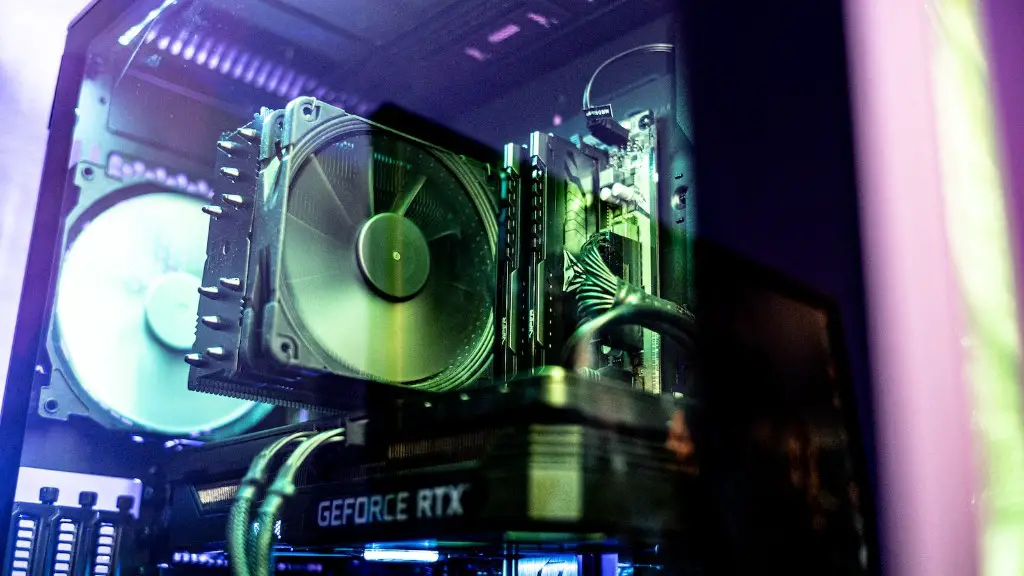
Building a gaming PC step-by-step is not as difficult as it may seem at first. In fact, with a little patience and the right guide, anyone can do it! This step-by-step guide will walk you through the process of building a gaming PC, from choosing the right components to putting everything together. By the end, you’ll have a high-performance gaming PC that’s ready for the latest games.
The following is a basic guide on how to build a gaming PC. For a more detailed guide, please consult a professional.
1. Choose a motherboard that will support the CPU, RAM, and other components you want to use.
2. Choose a CPU that will be powerful enough to run the games you want to play.
3. Choose RAM that is compatible with your motherboard and will give you the capacity and speed you need.
4. Choose a graphics card that will be powerful enough to run the games you want to play at the resolution you want to play them.
5. Choose a power supply that is compatible with your motherboard and will give you the wattage you need.
6. Choose a case that will fit all of your components and has good airflow.
7. Install the CPU, RAM, and graphics card into the motherboard.
8. Connect all of the cables to the appropriate ports on the motherboard and other components.
9. Install the power supply into the case and connect all of the cables.
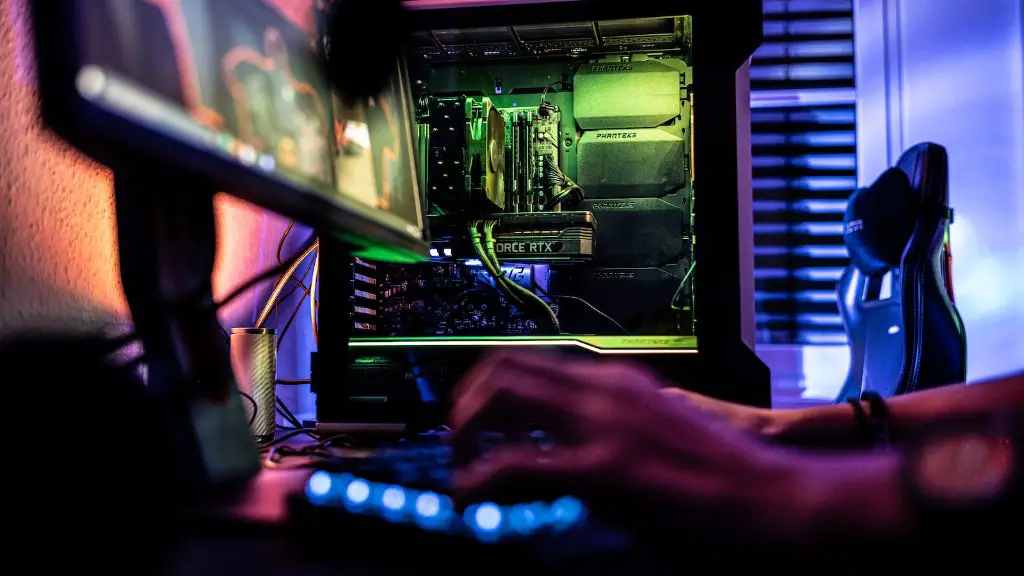
10. Boot up your PC and install the drivers for your components.
How to build gaming PC for beginners?
Building a gaming PC is a great way to get the most out of your games, and with a few simple steps you can be up and running in no time.
1. Prepare your motherboard by installing the CPU, M, and RAM.
2. Get your case ready for your motherboard by installing the power supply (PSU) and connecting any SATA hard drives/SSDs.
3. Install your motherboard into your case and connect it to the PSU.
4. Install your graphics card and sound card, if desired.
5. Connect your PC to a monitor and keyboard, and you’re ready to start gaming!
Building your own PC can be a great way to save money, especially if you’re on a budget. By choosing your own parts, you can shop around to find the best prices and avoid the added cost of paying for expensive parts that you don’t need. Plus, you’ll have the satisfaction of knowing that you built your own computer from scratch!
How hard is it to build a gaming PC

It can be easy or difficult to build a computer, depending on your level of experience and the complexity of the build. If you know how a computer goes together and what all the parts do, it can be easy, especially if you’ve done it before. However, more complex builds can be more difficult.
Building a PC from scratch is a great way to get a custom computer that is tailored to your needs. The process is not as difficult as you might think, and as long as you are careful with your components and take the proper safety precautions, even beginners can make a PC that rivals the best desktop computers.
What are the 7 things you need to build a gaming PC?
A gaming PC needs a few extra things to really perform well. In addition to a great case and powerful graphics card, you need a top-of-the-line CPU, a lot of RAM, and a super-fast storage solution. Plus, a great PSU and excellent system cooling. Finally, don’t forget the gaming peripherals to really complete the experience.
16GB is the recommended amount of RAM for playing most games. It will provide a noticeable increase in performance from 8GB. You will also be able to run applications in the background without affecting gameplay.
How long do gaming PCs last?
With proper maintenance, a gaming desktop can last for several years. However, some parts may need to be replaced or upgraded over time, such as the CPU, GPU, or storage drive.
With a budget of $1000-$2000, you can build a high-end gaming PC that includes features like WiFi, a built-in IO shield, USB C, plenty of fans, and RGB lighting. You can also use this budget to upgrade your existing PC with new components or add upgrades like a water cooling system.
Where do I start when building a computer
Shopping for parts can be a difficult and time-consuming task, especially if you’re not sure what you’re looking for. It’s important to be prepared before you start shopping, so you know what to look for and what you need. Here are a few tips to help you get started:
1. Know what you need. Before you start shopping, take a look at your system and make a list of all the parts you need. This will make it easier to find the parts you need and avoid buying unnecessary items.
2. Do your research. Once you know what you need, start researching the different parts. Compare prices, features, and reviews to find the best product for your needs.
3. Check the compatibility. Make sure the parts you’re considering are compatible with your motherboard and other components. This will ensure that everything works together and avoid any compatibility issues.
4. Buy from a trusted source. Once you’ve found the parts you need, purchase them from a trusted retailer or website. This will ensure that you’re getting quality products and avoid any scams.
If you’re looking for the best gaming CPU you can get your hands on, look no further than the Intel Core i5-12600K. It has a base clock speed of 36GHz, which can be boosted to 49GHz for even better performance. Plus, it has integrated graphics so you don’t need to invest in an expensive, dedicated GPU to play less graphically intensive games.
What to buy first when building a PC?
A motherboard is the circuit board that connects everything together in a computer. This includes the hardware, the power supply, and the graphics cards. The motherboard is the first component you’ll want to choose when building a computer.
PC gaming is definitely the way to go if you want the best gaming experience. The quality is much higher than consoles and you have the added bonus of free online play and mods. It’s definitely worth the investment!
Is it more expensive to build a gaming PC or buy one
It’s true that initially, building a PC is always more expensive than buying a pre-built machine. However, when purchasing components individually, they are often better in quality than the bulk-ordered components that go into pre-built computers. So, if you’re looking for a high-quality machine, building your own PC is the way to go.
Building a gaming PC can be a lengthy process, especially if you’re a beginner. It’s important to factor in time for preparation and troubleshooting, as well as the actual build time. Depending on the build and the person, it could take anywhere from three to four hours to complete.
Is it better to build a gaming PC or buy a gaming PC?
Building a PC from scratch is the best solution for those who want complete control over their build. This way, you can customize every aspect of your PC, from the CPU to the fans and lighting. This ensures that you’ll always have the exact hardware you need.
Ideally, you want a PC with 8GB to 16GB RAM for a delightful online gaming experience. If you regularly play complex video games in high resolutions, aim for a machine with up to 16GB of RAM. A processor or CPU, on the other hand, executes the majority of commands on your computer.
Final Words
1. Decide on a budget.
2. Determine what games you want to play.
3. Research what components you need for those games.
4. Choose a case and power supply that will fit all your components.
5. Assemble your PC, being careful to follow proper installation procedures for each component.
6. Install your operating system and game(s).
7. Congratulate yourself on a job well done!
Once you have all of your parts, it’s time to put your PC together. This is where you’ll need to refer to your step-by-step guide. Here are the basic steps:
1. Install the CPU into the motherboard.
2. Install the CPU cooler.
3. Install the RAM.
4. Install the motherboard into the case.
5. Install the power supply.
6. Install the hard drive.
7. Install the optical drive.
8. Connect all of the cables.
9. Install any expansion cards.
10. Boot up your PC and enjoy!