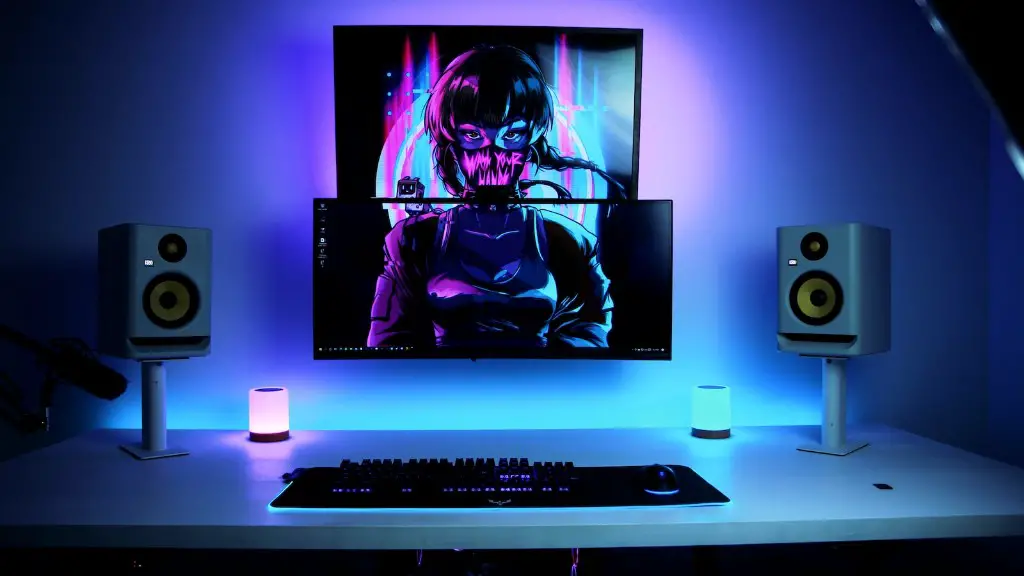
Building a gaming PC requires a comprehensive understanding of all components that power the system. From proper cooling, graphics card, and processor, to the Motherboard – which is the backbone of the computer – the choices made early in the process will directly influence how cost effective, reliable and powerful the gaming PC will be. The following is a consideration of the factors involved in selecting a motherboard for a gaming PC.
Power Supply Input
When selecting a Motherboard for a gaming PC, the first consideration should be the power supply input. This is where the Motherboard will be receiving power from the power supply and it is important to select a power supply input that can supply the necessary amperage for the components that will be connected to the Motherboard. It is important to note that the power supply input does not always have to be the same as the Motherboard. The number of pins and the size of the hole determines the type of power supply plug required.
Chipset
The Chipset determines the level of support that a particular Motherboard provides. It is important to determine the type of applications and games that will be running on the gaming PC prior to selecting a Chipset as specific Chipsets may not be supported on certain games. Additionally, Motherboards may contain one or two Chipsets, the primary being the main chipset which supports the processors, memory, storage and expansion slots, and the secondary being the dedicated GPU chipset.
Socket Size
The Socket size of a Motherboard dictates the type of processor that can be installed. It is important to determine what type of processor is compatible with a particular Motherboard so as not to waste time and money in acquiring a processor that is incompatible or too weak for the type of gaming desired. Socket sizes will be either AM3, LGA 1150, or LGA 1151.
Memory
The type of memory used on a particular Motherboard should be based on the desired gaming performance. Motherboards offer either DDR3 or DDR4 RAM, with DDR4 RAM being the most popular as it offers greater speed and stability. It is important to note that the Motherboard should possess enough RAM ports to handle the desired memory.
Expansion Slots
Expansion slots on a Motherboard allow for additional components to be attached to a gaming PC including graphics cards, sound cards, and hard drives. Motherboards may possess anywhere from one to multiple expansion slots depending on the desired performance. It is important to determine the type of expansion slots available and their compatibility with the desired components.
Form Factor
The form factor of a Motherboard determines the shape and size of the Motherboard and its compatibility with PC cases. It is important to ensure that the Motherboard being purchased is compatible with the desired PC case or else the Motherboard may not fit or will require additional modifications. The most common form factor sizes are ATX, mATX, and Mini-ITX.
Connectivity
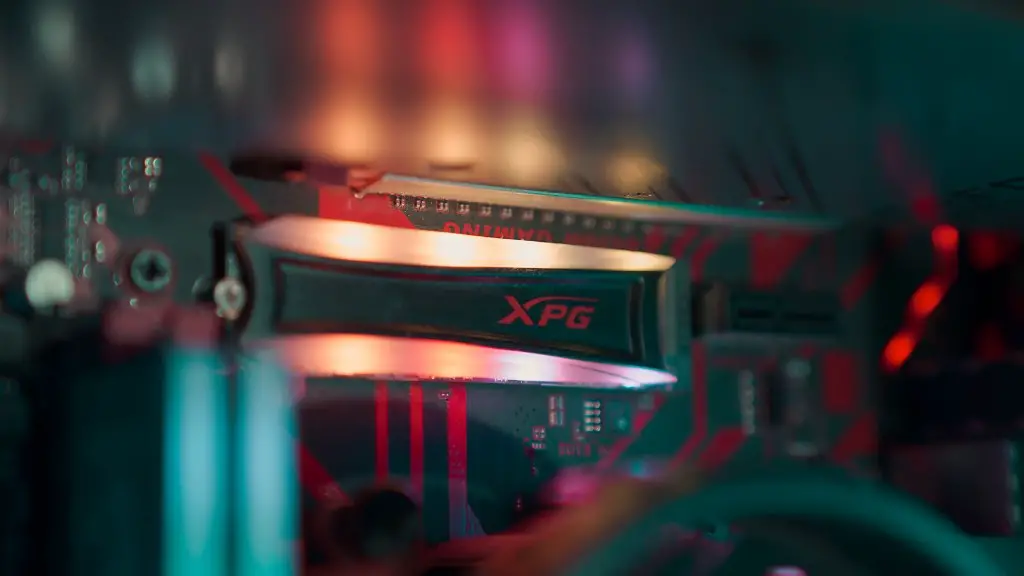
The type of connectivity options available on a particular Motherboard determines the types of external peripherals that can be connected to it. Motherboards have built-in ports including USBs, HDMI, DisplayPort and Ethernet. It is important to determine the type of connectivity options available in order to select a Motherboard that provides the desired ports.
Cost Considerations
To effectively build a gaming PC, it is important to obtain components with the desired gaming performance and within the budget. When selecting a Motherboard, it is important to review the cost of the component while also considering the cost of other components required to complete the build. Comparing different Motherboards available in the same class could help to identify the one most suitable for a particular budget.
Platform Considerations
When selecting a Motherboard for a gaming PC, the platform being built should factor into the selection process. Platforms such as Intel and AMD offer a different selection of components and features that may better suit a specific gaming system. It is important to determine the platform that offers the best performance in the desired gaming application prior to selecting the Motherboard.
Support & Warranty
It is important to evaluate the type of support and warranty offered by the manufacturer prior to making an investment. Motherboards are generally warranties for up to three years, and some manufacturers offer extended warranties for an additional cost. Additionally, some manufacturers offer dedicated technical and customer support for their products which can be an invaluable asset when troubleshooting an issue.
Research & Reviews

It is important to research different Motherboards being considered and to read reviews from other users. Reviews often provide an insight into the reliability and durability of a component, as well as potential pitfalls when using the component. This can be invaluable when selecting a reliable Motherboard for a gaming PC.
Conclusion
Choosing a Motherboard for a gaming PC is a complex process that requires research and consideration of all the components and platforms available. While the motherboard is the backbone of the system, other components including the power supply, chipset, memory, and expansion slots must also be considered. Additionally, cost considerations, support, and reviews should be evaluated prior to a final selection. With consideration of all the factors, it is possible to select a reliable and cost-effective Motherboard for a gaming PC.