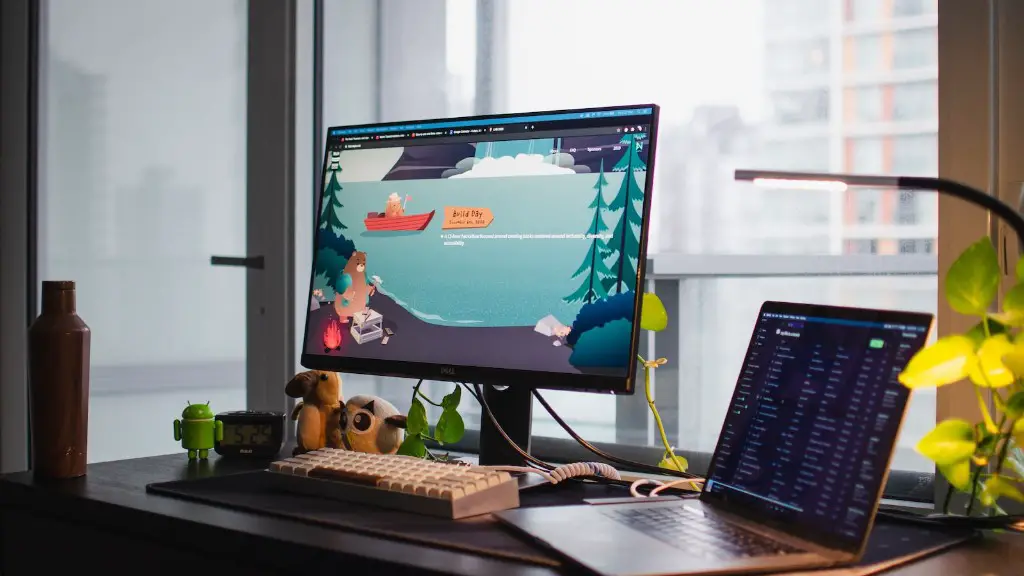
If you’re eager to get your gaming PC running and up to speed, here’s a quick guide to show you how to install it. First, you’ll need to find the right supplies. To begin, you’ll need to compile a list of the components that you plan to purchase. Start by selecting your motherboard, processor, memory, and power supply. Once you’ve collected the parts, you’ll also want to get a few screwdrivers, wire ties, and other supplies that’ll come in handy.
Now you’re ready to start. Unbox your parts and locate the motherboard. Pop off the socket protector and install the processor. Carefully lock it into place. Don’t forget to add thermal paste. Then, grab your memory, RAM, and video card and line them up with the slots on your motherboard. Insert them correctly and secure them with the screws. Plug in the power cords for your video cards and the peripheral cables.
Now it’s time to attach the wires to the case. Route the cables through the cable management slots and connect the power switch, reset switch, and other front panel devices to the motherboard. Once everything is connected, plug the power cord into the power supply and the wall. Lastly, place the motherboard in the case so that the standoffs line up, and screw it in. Install your cooling system components and you’ll be good to go.
It’s time to install an operating system. Take out the installation disc or USB drive and put it into the computer, then boot up. Set up your BIOS by entering the correct date and time, enabling the correct display, and changing the boot order. Your gaming PC should now be up and running. Test out the components to make sure there are no errors.
Install your software applications, games, and other pieces of software. If you’re using Windows, make sure to install all of the updates before you start using your gaming PC. And keep in mind, any driver issues can be solved by visiting the manufacturer website and downloading the latest version of the driver.
Once all of the components are set up, you can finally enjoy playing games on your new gaming PC. Gather up yourfriends, sit down, and start playing some of the hottest titles. With your shiny new gaming PC, you’ll be able to enjoy some of the newest games at the highest FPS and settings, allowing you to experience the best gaming experience.
Overclocking
Once you’ve got your gaming pc up and running, you may want to consider overclocking it to maximize its performance. Overclocking involves increasing the hardware’s operating speed from its official speed in order to improve system performance. The process of overclocking can be done manually, through a software program, or by using overclocking hardware and a BIOS update. Make sure to research the limits and controls of your hardware before making any modifications.

Overclocking can improve the overall performance of your system but it can also drastically increase graphics performance and gaming speed. It’s important to keep in mind that overclocking can put additional strain on components that may cause system instability and can even damage them if done incorrectly.
Before attempting any overclock, make sure that your system is properly cooled and ventilated. An aggressive overclock can generate a lot of heat, so be sure to use high performance heatsinks, fans, and other cooling devices. It’s essential to keep track of the various voltage levels and temperatures to ensure that your system stays stable and operates correctly.
When overclocking, it’s important to start off with small changes and then test your system to make sure that there are no issues. If your system crashes or becomes unstable, back off the overclock until you find the perfect balance for your system. It’s not recommended to overclock older components as they may not have the ability to handle the extra heat and voltage.
Once you’ve done your overclocking research, tested the system, and managed the temperatures and voltages, you’ll be ready to get the full potential out of your gaming PC.
Upgrading
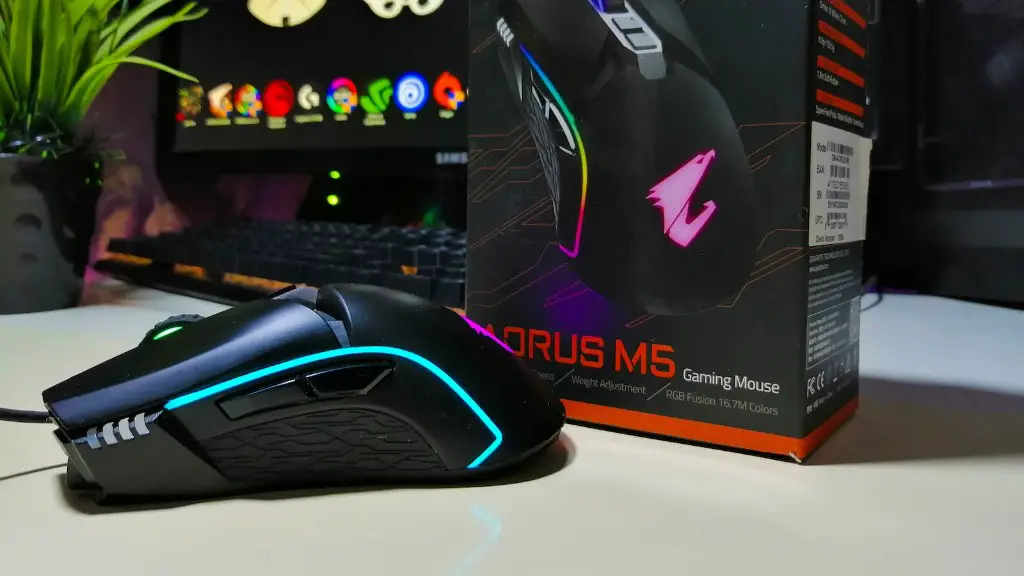
As the technology advances, gamers want to get the latest and greatest hardware upgrades to give them an edge. If you’re looking to get the most out of your gaming PC, here are a few upgrades you can look into.
With the right upgrades, you can get better performance, better visuals, and enhanced gaming experience. Video cards and RAM often need to be replaced or upgraded when they become outdated. Newer video cards bring better frame rates, higher resolutions, and improved visuals. More RAM means faster loading times, increased performance, smoother frame rates, and improved AI.
Other upgrades you can look into include a better processor, larger hard drive, increased cooling system, removable hard drive cages, and higher wattage power supply. When upgrading any components, make sure that they are compatible with your existing hardware and that they give you desired performance results.
When upgrading, consider researching the best price for the components you’re looking to upgrade. A good idea would be to use a price comparison website to compare the prices of various hardware components before purchasing.
It’s wise to stick with well-known brands, as they usually have a trusted customer support service, better warranties, and quality components. If you’re not sure what hardware to buy, it’s always a good idea to ask for some advice from an experienced hardware enthusiast.
Put some thought into the upgrades you purchase and make sure they’re compatible with your system. With the right upgrades, you can bring your gaming PC to the next level and enjoy a much better gaming and overall computing experience.
Backup & Storage
When setting up a gaming PC, it’s important to make sure you have enough storage space and backup in place. With all of the high-end graphics, games, and other types of media, the storage space on your gaming PC will quickly become filled up. Keep the load times quick and the hard drive running up to speed by investing in a larger hard drive or an external hard drive.
It’s always a good idea to back up your data regularly. If a crash occurs, you can quickly restore all of your data from the backup. There are several ways you can back up data, such as on an external hard drive, on DVDs, or in the cloud. Cloud backup offers the benefit of being able to access your data from any location.
Regularly defragmenting and optimizing the hard drive can help to increase drive speeds, decrease load times, and help maintain the health of your hard drive. Upgrading your storage and studying the fine details of your storage space can help you get the most out of your gaming PC.
Monitoring & Maintenance
Gaming PCs require regular monitoring and maintenance in order to keep them running smoothly and efficiently. Make sure to follow these simple tips to keep your PC running its best.
Check your components frequently to ensure they’re performing as they should. If a component has become outdated or is producing errors, replace or upgrade it to get the most out of your gaming PC. Keep track of temperatures and fan speeds, as these will tell you how hard your PC is working. When playing intense games, high temperatures can lead to crashes or other issues so make sure to keep your PC cool.
Keep your system up to date by regularly installing the latest drivers, software updates, and patches. Outdated drivers can cause errors and instability. It’s also important to keep an eye out for malware. Scan your computer for viruses and other malicious software to protect your data.
Finally, clean up your hard drive by uninstalling any programs or applications you no longer need and removing any unnecessary files or documents. If your hard drive gets too full, your system will slow down. Use a disk clean up tool to clear out all of the temporary files that are no longer necessary.
By regularly monitoring and maintaining your gaming PC, you’ll get the most out of your system and ensure that it stays running smoothly.
