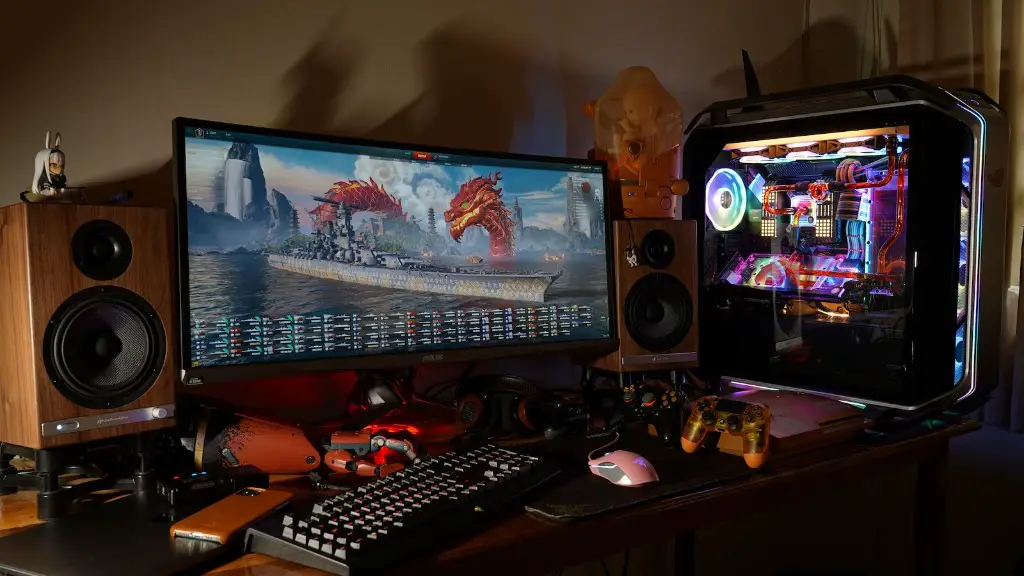
Knowing if you have a good gaming PC isn’t always easy. While the price may initially seem like a good indicator, you should always consider a few other important factors. With a few simple steps, you can determine if your gaming PC is up to the task so you can have an enjoyable gaming experience.
First, look at the graphics card and processor. If your graphics card is more than four years old and your processor less than three, you may need an upgrade. Modern games require more powerful components than they used to even a few years ago, so the more recent your hardware, the better.
Second, make sure you have enough RAM. Your gaming computer should have at least 8 GB of RAM, though 16 GB is usually better. If your RAM is insufficient, some games won’t run, or if they do, you may experience laggy or jumpy graphics.
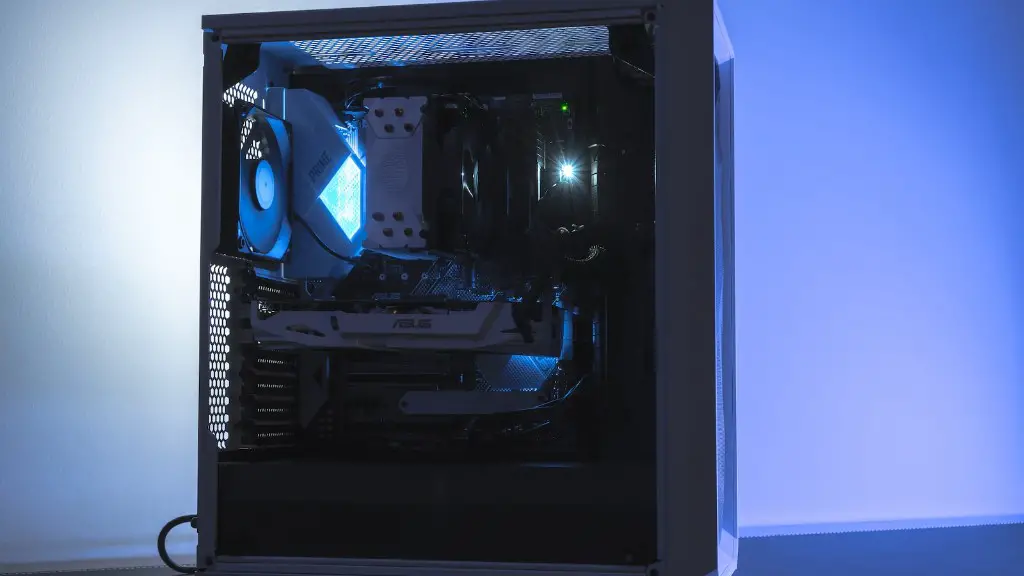
Third, check the size of your hard drive. A larger hard drive capacity means you can store more games and run them from the same drive, rather than jumping between different storage solutions. You’ll need at least 1TB of total storage space, but more is better.
Fourth, look into your cooling system. Many gamers struggle to keep their gaming PC cool while running demanding games, leading to low performance and a noisy environment. Investing in a good cooler like a liquid-cooling system can help you keep your PC running smoothly and quietly.
Finally, consider the price. You don’t want to break the bank, so try to find the best gaming PC for your budget. Research different hardware combinations, because there are often great deals available that can provide you with a good gaming experience without breaking the bank.
Main Components
To get a good gaming PC, your main components are the graphics card and processor. Both should be relatively new and up to date with the current trends. Your graphics card should be at least of the current generation and your processor should be at least 3 years old. These components are the most important, as they are the main determinants of gaming performance. A good graphics card and processor combo should be able to handle most games on the market.
RAM Requirements

Next, you’ll want to look at the RAM requirements. Most games require at least 8GB of RAM, but having more is better. Having 16GB of RAM will allow your games to run more smoothly as it means more parts of the game can be loaded at once. It’ll also allow you to multitask and switch between different applications without having to reload them.
Storage Space
Modern games are getting bigger and therefore require more storage space. At the very least, you’ll want 1TB of total storage space for your games, but having more is preferred. That way, you’ll be able to store a lot of games without having to jump between different storage solutions or delete some games to make room.
Cooling Solution
This is another important consideration: a good cooling solution. Investing in a quality liquid-cooling system can help your gaming PC stay cool while running demanding games. Without it, you may experience low performance or unbearable noise while gaming.
Price
Lastly, you should consider the price. Don’t waste your money on something that’s too expensive. Do your research and try to find the best gaming PC for your budget. There are usually plenty of great deals available if you look hard enough.
