Gaming PCs have become an increasingly popular choice for gamers, offering high performance and customizability for those looking to take their gaming experience to the next level. To help you understand the process of setting-up and using your gaming PC, we’ve put together a guide on how to get the most out of it.
The first step in setting-up your gaming PC is to install the video card. Video cards are responsible for rendering the graphics of your games, and come in different models with varying levels of performance. Depending on the type of games you play, you’ll need to select the model that’s most suited to your gaming needs. Some models can support high resolutions, whereas others are designed for low-end gaming.
Once you’ve installed your video card, the next step is to install the sound card. The sound card helps produce the sound effects and music in your games. Most sound cards come with their own set of speakers, but can also be connected to other external speakers or headphones. Make sure you select the right type of sound card based on your gaming hardware and the games you’ll be playing.
Next, you’ll want to install the CPU, which controls the speed and performance of your gaming PC. It’s important to select a CPU that is powerful enough to handle the specifications of the games you intend to play. Most modern CPUs have lots of cores and threads that can multitask across multiple games and applications simultaneously.
Besides the CPU, you’ll also need to select the RAM or random access memory to accompany it. RAM helps control the performance of your computer, as it stores all of your data temporarily in its memory. You’ll need to select the RAM that can meet the needs of your gaming system. If you plan to use multiple programs and applications, you’ll want to select the amount of RAM with more than the minimum requirements of your games.
Finally, you need to install the operating system to make sure all of your components are compatible. Depending on your computing needs and budget, you can select between Windows, Linux, or Mac OS. All of these operating systems offer its own unique range of features and tools that can be used for gaming.
Now that you’ve gathered the necessary components and installed them, it’s time to start playing your favorite games. Run a diagnostic on your system to make sure everything is working as expected and then you can begin your gaming session. Configure the graphics settings, key bindings, and sound settings according to your preferences and enjoy an enhanced gaming experience.
Installing the Right Drivers
A crucial part of being able to enjoy your gaming PC is installing the right drivers. Drivers are the software components responsible for configuring the hardware components and making sure they communicate correctly with each other. Typically, you’ll need to update your drivers to make sure they support the latest games and hardware.
Make sure that you download the correct drivers to your system from the official website of the manufacturer. Integrating the wrong drivers can introduce many issues, such as poor video performance and poor audio quality. Additionally, incompatible drivers can also cause system crashes or instability.
You’ll need to select the right drivers for your CPU, video card, sound card, and any other components you have installed. To check the version numbers of your drivers, you can use the Device Manager on your computer. If the drivers aren’t up-to-date, you can update them from the manufacturer’s website. While installing the drivers, you should also make sure any other software is installed correctly and up-to-date.
If you’re having any issues with your drivers, you can attempt to roll back the drivers to an earlier version. This can be done using the Device Manager. To prevent any further compatibility issues, make sure that you are downloading the latest drivers from the official website.
Upgrading Your Hardware
One of the benefits of a gaming PC is the ability to upgrade the hardware components as your gaming needs change. Depending on your budget, you can upgrade your CPU, video card, and RAM to achieve better performance. Upgrading your hardware components requires you to select the right type and model for your system, as well as the compatibility with the components you currently have.
CPUs can be switched out with relative ease. Depending on your budget, you can select from either a higher-end model or a lower-end model; the choice is yours. If you have a stronger GPU, you might want to opt for a new model that can handle more processing power. In the same fashion, you can also upgrade your video card for better gaming performance.
The increase in RAM helps your computer handle more memory-intensive applications and games. If you plan to increase the resolution of your game or run multiple programs, then upgrading the RAM is a viable option. Replacing the RAM is relatively easy as they slots are almost always easily accessible in your PC.
For more demanding gamers, high-end gaming PCs can be expensive to purchase. However, upgrading the components of your existing gaming PC can be very cost-effective. Make sure to check the compatibility before selecting a component and always ensure you select the right type based on your computing needs. Replace the components carefully and follow the manufacturer’s instructions to properly install the component.
Managing the Heat
Playing games can cause a significant amount of heat to build-up inside your gaming PC, as it puts a lot of stress on the components. The heat from the components can eventually cause the system to crash or become unstable if it isn’t managed properly. Keeping your gaming PC cool is key to proper performance and longevity.
A great way of managing the heat is by using a cooling fan or multiple fans. Install at least one fan on the back of your gaming PC to expel the heat and keep it relatively cool. The placement of the cooling fans is important, as they should be spread out accordingly. Make sure to clean the fans regularly to ensure proper air flow is maintained.
To further reduce heat, you can also add additional heat sinks. Heat sinks are metal fixtures connected to the CPU and other components that help spread the heat away and keep the components cooler. Heat sinks require the use of thermal paste to facilitate the transfer of heat away from the components.
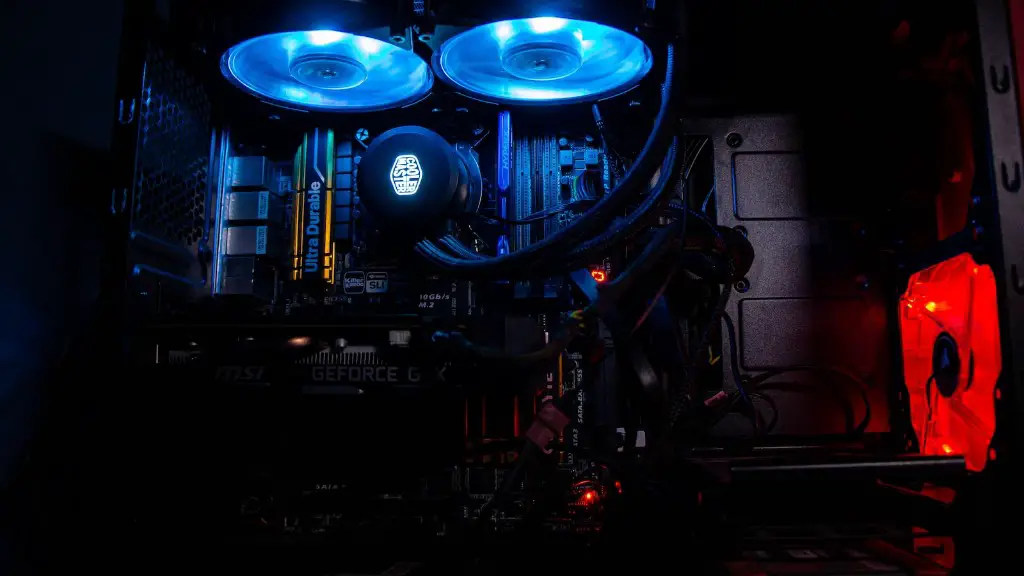
If your gaming PC doesn’t come with a liquid cooling system, you can purchase one separately. The liquid cooling system helps keep the components cool as it absorbs the heat from the components and expels it through a radiator. The liquid cooling system requires some technical know-how to install correctly, so it’s important to read the instructions properly.
Configuring Your Mouse and Keyboard
Your gaming experience also depends on how well your mouse and keyboard are configured. Configuring the key bindings can make a big difference when playing games, as you’ll want to make sure that they are optimized according to your preferences. The same goes for your mouse, as you need to make sure it has the right sensitivity and acceleration settings.
Using the gaming software that came with your gaming PC, you can tweak the mouse and keyboard settings. Depending on the games you play, you can set the key bindings and sensitivity for certain games or for all games. This allows you to achieve better control over your gaming experience and helps you reach peak performance for certain games.
Make sure that you are setting the configuration to a comfortable level, so that you won’t feel too uncomfortable while playing. Over time, you can adjust the settings to suit your preference and become more comfortable with the controls. Additionally, you can also map certain commands to a single key on the keyboard, making it easier to access them quickly.
Another way to ensure that your gaming setup is optimal is by tweaking the acceleration of your mouse. Depending on the games you play, you can adjust the mouse acceleration settings so that you can quickly target and react accordingly. Some gamers prefer slow acceleration settings while others prefer faster.
Troubleshooting Common Issues
Whether you’re a beginner or a veteran gamer, you may experience technical issues at some point. It’s important to have a troubleshooting guide at the ready for any problems that may arise. The most common issue is the game failing to launch or crashing mid-game. This can be caused by incompatible drivers, incorrect configuration, or insufficient system requirements.
Make sure that any drivers and software are up-to-date, as this helps prevent any compatibility issues. Run a diagnostic and adjust the settings accordingly. You can also try restarting your computer and monitor any changes. If you’re still experiencing issues, you can also look up any tips and tricks online to try and fix the problem.
Another common issue is poor performance. This can be caused by insufficient hardware, outdated software, or overheating hardware. Make sure that your system meets the minimum system requirements of the games and that any drivers are up-to-date. Also, ensure that the cooling fan of your PC is working correctly and that it is in a cool environment. If the issue persists, then consider upgrading your hardware.
Moreover, in some cases you may find that the graphics settings of your game are not being correctly applied. This is likely due to corrupted game files from an incomplete or failed download. Reinstalling the game can help fix any missing or corrupted files. If not, then you should contact the developer for assistance.
By following the steps laid out in this guide, you should have a better understanding of how to configure and use your gaming PC. It’s important to understand the components and how to troubleshoot common issues to achieve the best gaming experience possible.