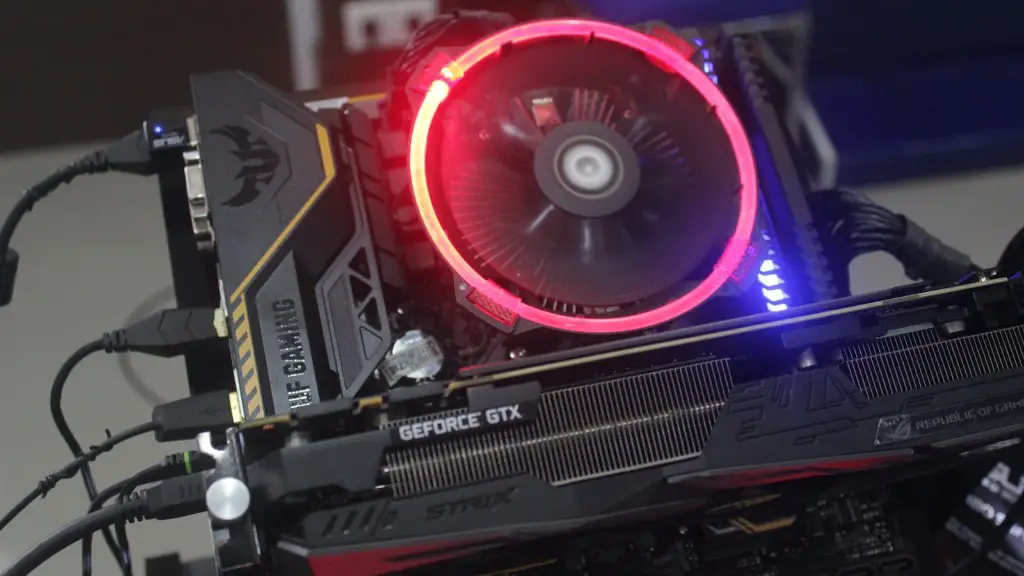
The debate over whether a gaming laptop is as good as a gaming pc has been a source of contention among gamers for many years. The answer to this question really depends on each person’s individual needs. Both offer different advantages and disadvantages, and so it is important to consider the individual elements of each system before making a decision.
A gaming laptop is often seen as a more convenient choice for gamers, due to its portability. However, not all laptops have the same storage and processing power as a gaming PC. Portable gaming machines tend to have less powerful hardware than their counterparts, and thus aren’t able to run complex games at their full potential. This can be particularly limiting if users want to play the most up-to-date video games.
In contrast, gaming PCs offer much greater gaming performance due to their more advanced hardware components. They are more likely to be able to cope with the ever-changing demands of the latest video games and they can be easily upgraded with new hardware. A gaming PC also has a much larger monitor than a laptop, which makes the gaming experience far better.

The cost of a gaming laptop may be less than a gaming PC, but it’s worth noting that the cost can spiral quickly when you factor in the separate components that are usually necessary. While a gaming laptop may be a good solution if you don’t have space for a full-size gaming tower, it’ll almost always cost more than a similarly powered gaming PC.
Another factor to consider is the ability to upgrade components within the machines. While a gaming PC allows for the simple swapping out of certain components to enhance performance, the limited space in a laptop can mean it’s not easy or sometimes even possible to upgrade within the laptop shell.
Finally, laptops are much more vulnerable to dust and other environmental hazards than PCs, which means that you’ll have to take extra precautions when maintaining your laptop. Overall, a gaming laptop has its advantages and drawbacks, and each user will have to decide which is better for them depending on the games they play, the size of their budget and the desired portability.
Battery Life
The battery life of a gaming laptop is one of the most important considerations in deciding between a laptop and a gaming PC. While many gaming PCs require cables to be plugged into a socket, gaming laptops offer the advantage of portability, allowing users to game while they are away from their desks. Laptops have limited battery life, and this can be a limitation when playing more intensive games.
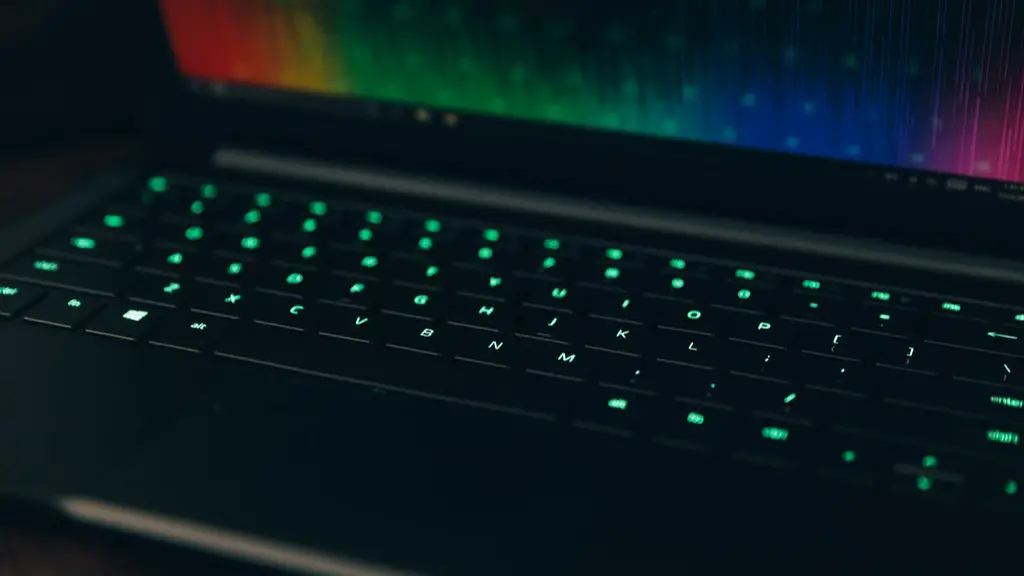
The battery life and portability of a gaming laptop are dependent on certain specifications: the type of display, the processor, and the size of the battery. Laptops with larger batteries will of course have better battery life, but this comes at the expense of extra weight. Larger, heavier gaming laptops tend to be less portable and thus less suited to gaming on the go.
The display and the graphics card can also have a major effect on the battery life. Displays with a higher refresh rate and higher resolution will take a larger toll on the battery life. Additionally, gaming laptops with 4K or even 5K displays will almost certainly offer shorter battery. Also, dedicated GPUs in gaming laptops often require more power than integrated GPUs.
A gaming PC, on the other hand, does not have a battery life that needs to be considered. Plugging it in to an outlet will ensure it always has power. This can be beneficial for intensive gaming, but remember that it cannot be taken portable like a gaming laptop.
Clearly, battery life will be an important factor for anyone who regularly plays on the go. However, if you’re primarily planning to use your gaming system at home, then power and performance become more important than battery life and so a gaming PC may be the better option.
Graphics Performance
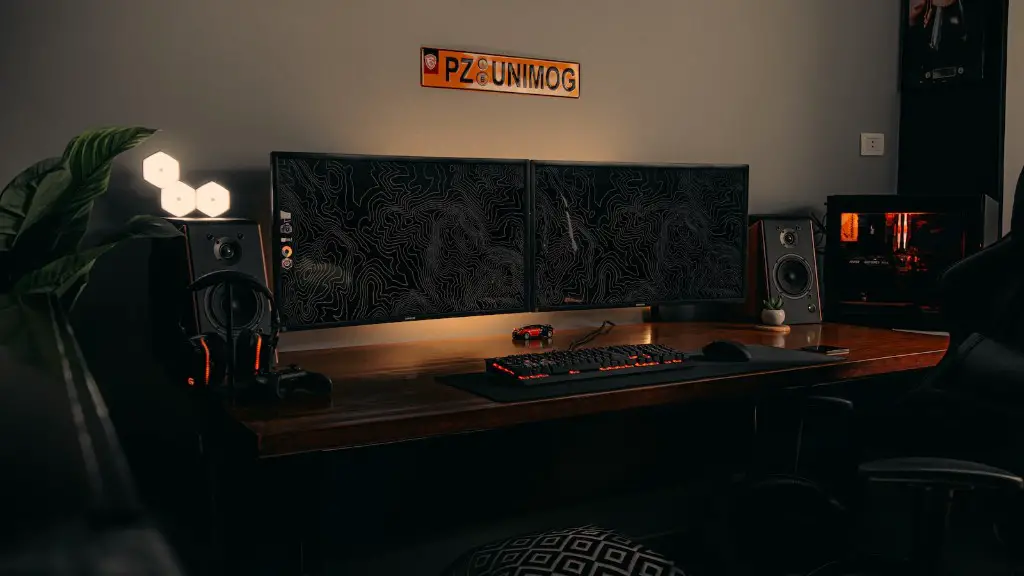
The graphics performance of both gaming laptops and gaming PCs is another major point of differentiation. A gaming laptop’s graphics capability is dependent on the type of graphics card installed, as well as the processing power of the laptop. A laptop’s GPU may have access to more frames per second to display an image, but the total number of lines of resolution will usually be less than its larger counterparts.
Generally, gaming PCs will always win out in terms of graphics performance as they are better equipped to handle graphical tasks. Having a dedicated graphics card, or even multiple cards in SLI or Crossfire configurations, will allow for performance that a laptop can’t come close to matching. This is especially true for those wanting to experience 4K gaming or run virtual reality.
Heat dissipation is also a factor when comparing graphics performance. Graphics cards in laptops can often operate at higher temperatures than those in desktops due to the limited space in which they are placed. This can result in the laptop’s components having to operate at less than optimum levels in order to avoid overheating.
Overall, if you want to experience the highest graphical fidelity, a gaming PC is the way to go. Of course, as previously mentioned, portability may be an issue if you are chiefly relying on a desktop.
Storage Options

Another point of contention between gaming laptops and gaming PCs is storage options. The storage space on a laptop tends to be limited due to their form factor, but this isn’t necessarily the case with a gaming PC. While a gaming laptop might have as little as 128GB of SSD storage, a gaming PC can be outfitted with several terabytes of storage.
A desktop can also have multiple types of storage. While most laptops are limited to just a single solid-state drive, PCs can have a mix of HDD and SSD drives, which can provide a better balance of speed and capacity. Additionally, PCs can also have RAID configurations, which can allow for faster speeds and better redundancy.
External drives are also more practical with a gaming PC than a gaming laptop. An external drive could be connected to a laptop, but this could add another layer of complexity to a user’s setup. A gaming PC can also be easily connected to a network storage device, as well as many other storage solutions.
Ultimately, if storage is a key factor for you, then a gaming PC is probably the better choice. You’ll have much more options in terms of drives, as well as easy access to external storage solutions.
Performance
The performance of a gaming laptop and a gaming PC will largely depend on their respective hardware components. Generally, gaming PCs are more powerful than laptops due to their larger components. A laptop might have a faster processor, but with fewer cores and threads than a gaming PC. This can make a big difference in overall gaming performance.
Memory is another area where a gaming PC can excel. While a gaming laptop is usually limited to just 8GB DDR, a gaming PC can handle much higher amounts. While 8GB of DDR is usually enough to get you through day-to-day gaming, more intensive sessions might require higher amounts of RAM. Additionally, a gaming PC offers more upgrade paths in the futureh, allowing you to easily increase the amount of RAM in your system.
The GPU is often a major consideration for gamers who are looking for the best performance. Unlike laptops, gaming PCs are often equipped with dedicated GPUs, making them more suitable for intensive gaming and graphic-demanding tasks. Additionally, many GPUs offer more cores and threads than laptops, providing additional boosts in applications that can use all of that power.
The gaming performance of a laptop and a gaming PC will also depend on the cooling systems. A gaming laptop typically relies solely on its internal fans to keep the system cool, and thus there is a limit to how powerful or intensive a game or task it can run.
A gaming PC, however, can be outfitted with a much more powerful cooling system, ranging from watercooled systems to aftermarket air cooling solutions. This allows a gaming PC to run games at higher settings, which can result in a far more immersive gaming experience.
Cost
The cost of a gaming system is another major factor to consider when comparing a gaming laptop and a gaming PC. Generally, high-end laptops tend to be more expensive than gaming PCs, as the hardware is often smaller and more expensive due to its limited availability. Additionally, laptops often come with a pre-installed OS and software, which can inflate the price.
On top of the initial price, laptops can also be more expensive to maintain. Replacing a battery or a screen can be an expensive endeavor on a laptop, while in comparison a few components of a gaming PC can be easily replaced without needing professional assistance.
Desktop PCs also tend to be cheaper over the long run, as they are more upgradeable. A gaming PC’s components can be upgraded over time, often negating the need to buy a new system altogether. This can make them a more economical choice in the long run, despite their higher initial cost.
Ultimately, the choice of a gaming laptop or a gaming PC should be based on a combination of performance, budget, size, and portability. While gaming laptops may be a good choice for those who want a portable gaming solution, gaming PCs typically offer better performance and are capable of being upgraded with the latest hardware.
