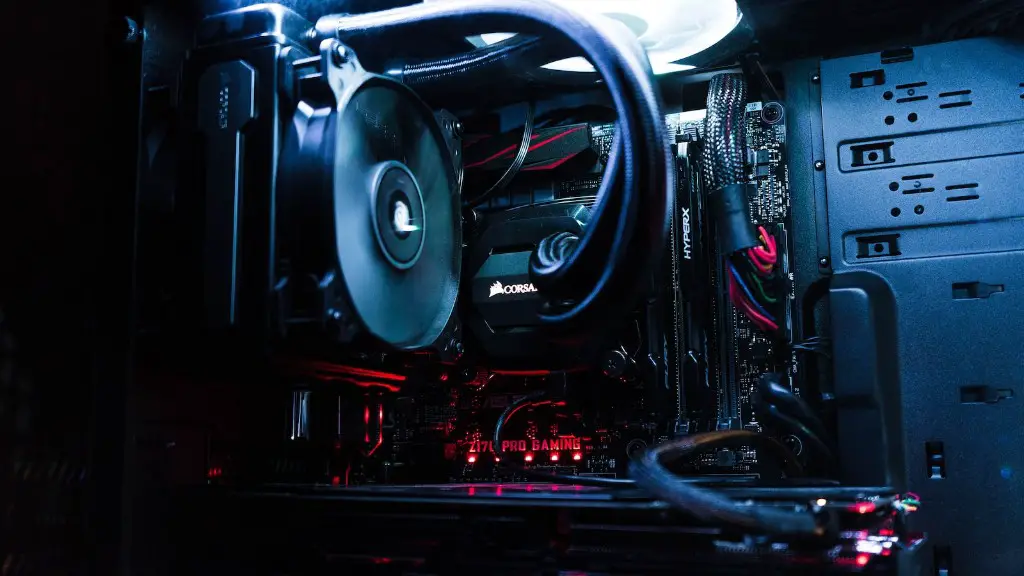
Should I Build or Buy my First Gaming PC? This is a question many novice gamers struggle with as they attempt to break into the world of gaming. Building your own PC is a great way to get the exact specifications and features you want, while buying pre-built PCs offer an easier and more convenient option. Ultimately, your budget and the level of customization you want to achieve should be your main deciding factors. In this article, we’ll explore the pros and cons of both builds and purchases, so you can make an informed decision on which one is best for you.
Firstly, if you’re looking for a unique, custom PC, building one from the ground up is a great way to get the exact specs and features you want. You’ll need to source the components, assemble them, and install any necessary software. This requires knowledge and skill, so it’s not recommended for inexperienced gamers. However, experienced builders may be able to assemble and configure their PC much faster. Notably, building provides better value for money and allows you to get the exact features you want.
On the other hand, pre-built PCs are significantly easier and more convenient. You won’t have to worry about sourcing components, figuring out compatibility issues, or installing software. But pre-built PCs generally have much lower specs than the ones you can build yourself. Additionally, pre-built PCs tend to be more expensive, so you may end up paying more than you would if you had built the PC yourself.
In conclusion, it really depends on your budget, experience, and the level of customization you want to achieve. Building a PC may be more rewarding, but it also requires much more knowledge and skill. Pre-built PCs offer an easier and more convenient option, but you’ll likely have to sacrifice specs, features, and value for money. Ultimately, it’s up to you to decide which is the best option.
Pros of Building
If you’re looking to save money, building your own gaming PC is unquestionably the way to go. You’ll be able to source components and assemble them yourself, at a fraction of the cost of buying a pre-built machine. Even if you’re inexperienced, with some research and help from experienced friends or family, you can assemble a machine that is as powerful as a pre-built one. You’ll be able to tailor the components and specs to your own needs and ensure it meets the minimum specs for your favorite games. Additionally, you can upgrade components one at a time, so you don’t have to commit to the full build cost up front.
Notably, high-end gaming PCs require a lot of power and cooling. Building your own will allow you to choose components and configurations that perfectly match each other for maximum performance and minimum noise. Furthermore, assembling a gaming PC is a fun and satisfying experience. It’s a great way to learn more about computers, and it can also provide an opportunity to bond with experienced family members.
Cons of Building
While building your own gaming PC may seem like an attractive option, there are several potential drawbacks that must be considered. Firstly, the more complex components and configurations require research and specialized knowledge to get right. If you’re unable to figure out an optimal build, you may end up with a mediocre machine. Secondly, sourcing the exact components can be challenging, and there is always a risk of compatibility issues. You also need to take the time to assemble and configure the PC, which can take a while.
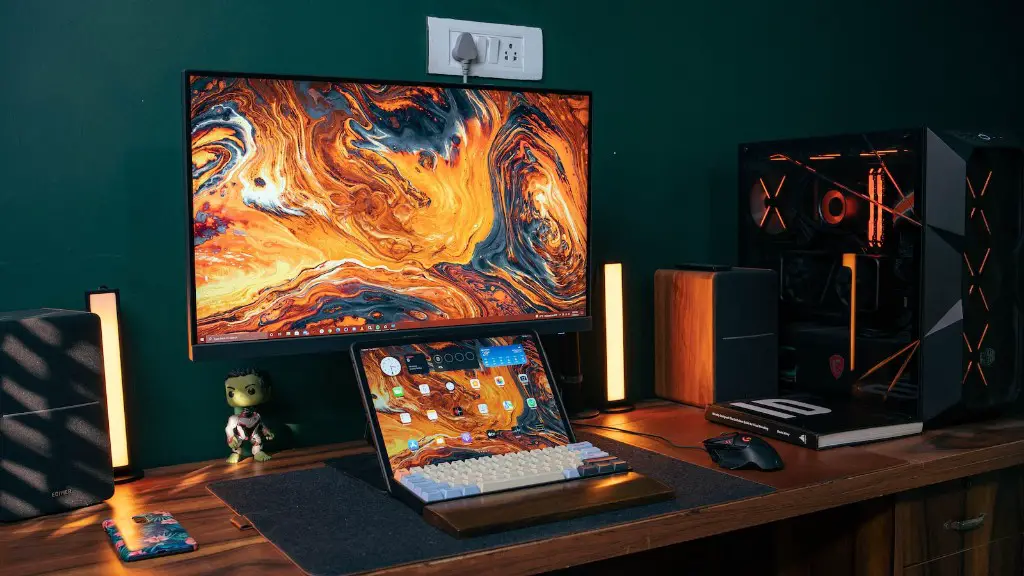
Furthermore, if you’re inexperienced, you may be unable to properly assemble and configure the PC, resulting in low performance, overheating, or even damage to valuable components. Additionally, the process of building a PC can be frustrating and stressful, especially if you encounter compatibility issues or a lack of available components. Finally, budget builds may be more prone to breakdowns and malfunctions.
Pros of Buying
The main advantage of buying a pre-built gaming PC is that it is much easier and more convenient than building your own. You don’t have to spend time researching components and configurations, and you avoid the risk of compatibility issues. Additionally, many pre-built gaming PCs come with warranties that cover any potential damage or breakdowns. This is especially useful for gamers who are on the go, since they can be sure that their PCs are covered if anything goes wrong.
Pre-built gaming PCs are also much more reliable than building your own. When you buy a pre-built, you know that all components have been tested and verified to work properly together. This means you don’t have to worry about heating problems and other common issues when building your own PC. Additionally, pre-built gaming PCs often come with customer support, so you can get assistance with any problems you may have.
Cons of Buying
Pre-built gaming PCs are generally more expensive than you would expect when compared to the actual cost of building. Additionally, pre-built PCs are often made with low-end components to appeal to gamers who don’t want to invest too much money in their PC. This can lead to poor performance and low-quality graphics. Furthermore, pre-built gaming PCs are generally not upgradeable, so you’ll need to buy a new machine when the time comes to replace your current one.
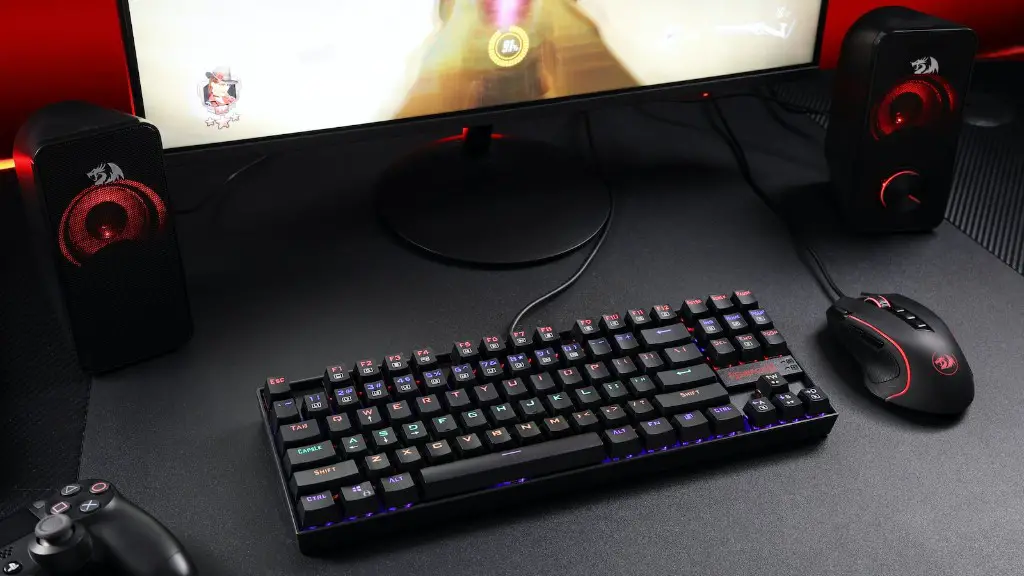
Finally, pre-built gaming PCs tend to be heavily marketed and over-hyped. This can lead to buyers making uninformed purchasing decisions, and overspending their budget. In the worst cases, gamers may find themselves with a PC that doesn’t perform as well as they’d expect, or with compromised security from malicious software.
Should I Buy or Build?
In conclusion, the decision between building or buying a gaming PC largely comes down to budget, experience, and the level of customization you’re looking for. If you’re on a tight budget, building a gaming PC can provide better value for money, while experienced gamers may enjoy the challenge of putting together a custom-built machine. Pre-built PCs offer a much easier and more convenient option, but they may come with higher specs and better warranties.
Ultimately, you should take the time to research both options and make an informed decision. Be sure to read reviews and speak to experienced gamers, so you can get the best PC for your budget and needs. With the right PC, you’ll be ready to join in on the action and start enjoying your favorite games.
