Should I Get A Gaming Monitor? In today’s digitally advanced world, gamers require a corresponding piece of hardware to enhance their gaming experience and reach new milestones. Monitor technology has evolved significantly over the decades, meaning gamers have a big array of choices when it comes to selecting a suitable gaming monitor. But what should people consider when looking for the perfect gaming monitor?
When looking for a gaming monitor, resolution should be the first thing to consider. A higher resolution monitor will provide sharper and more detailed images, meaning the user can enjoy a more immersive experience. This also allows for easier multitasking since the user can fit more onto the screen. Perhaps a higher resolution monitor is useful for gamers who like to stream, since this will enable them to clearly see both their gaming and chat windows at the same time.
Response time is another element to consider when selecting a gaming monitor. The response time measures the speed at which pixels can transition from one color to the next, which is important for ensuring smooth visuals during fast-paced gaming. Most gaming monitors have a response time of at least 5ms, meaning gamers should look for one with as low a number as possible.
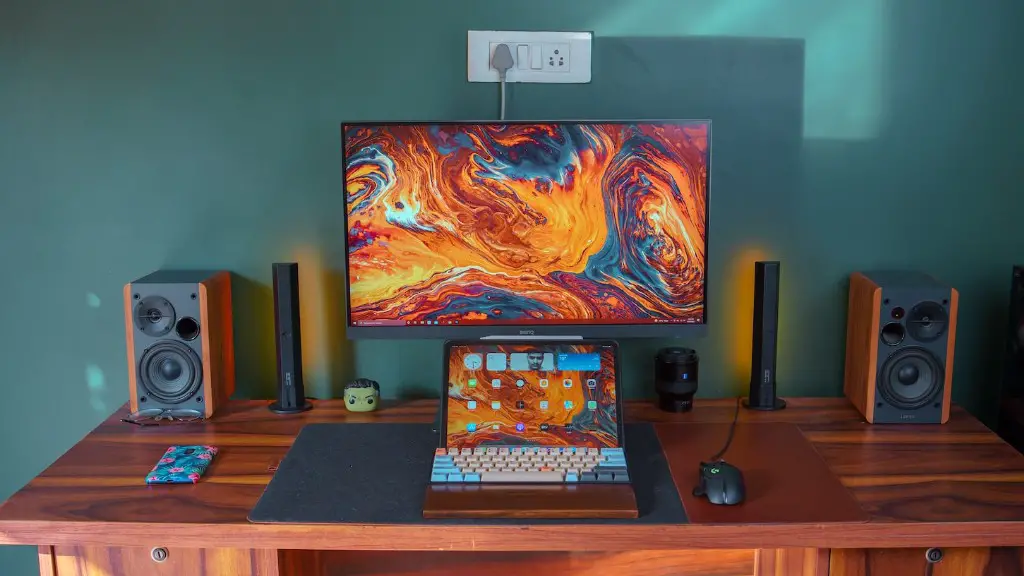
It is also essential to investigate the refresh rate of gaming monitors. The refresh rate indicates how often a monitor refreshes its image in a single second. For example, a 60Hz monitor refreshes its image 60 times a minute, while a 144Hz monitor refreshes 144 times within the same time period. A higher refresh rate is preferable if gamers want to experience smoother motion and fewer motion smears, making it an especially important factor for gamers who play fast-paced titles.
Another important aspect of gaming monitors is price. Higher quality gaming monitors are generally more expensive, so gamers will need to factor in their budget when looking for the perfect monitor. Additionally, if gamers want to enable adaptive sync technology, they may need to purchase a compatible monitor that is both G-Sync and FreeSync compatible.
Overall, when selecting a gaming monitor for personal use, gamers must think about the resolution, response time, refresh rate, price, and adaptive sync capabilities of their potential purchase.By ensuring that the monitor meets their requirements, gamers can rest assured that they have selected the perfect gaming monitor for them.
Resolution
When looking for a gaming monitor, resolution should be the top priority. A higher resolution monitor provides sharper images and allows gamers to enjoy a more immersive experience. For example, having a monitor with 4K resolution allows gamers to experience more detail when it comes to their games, resulting in a more realistic and engaging experience. Furthermore, having a higher resolution monitor also permits the user to multitask more efficiently, since the user can fit more onto the screen.
Response Time
Response time is another key factor when selecting a gaming monitor. This measures the speed in which pixels can transition from one color to another and is necessary in order to ensure smooth visuals during a fast-paced gaming session. Most gaming monitors have a response time of at least 5ms, but gamers should try to look for one with as low a number as possible in order to benefit from a more smooth gaming experience.
Refresh Rate
The refresh rate measures the speed at which a monitor refreshes its image in one second. For example, a 60Hz monitor refreshes its image 60 times a second, whereas a 144Hz monitor refreshes its image 144 times a second. A higher refresh rate is preferable for gamers who are looking for a smoother motion and fewer motion smears, especially when playing fast-paced titles.
Price
Price is also an important factor to consider when selecting a gaming monitor. High quality gaming monitors come with a bigger price tag, so gamers need to make sure they stick to their budget. If they want to enable adaptive sync technology such as G-Sync and FreeSync, they may also need to buy a corresponding monitor to ensure they can make use of these features.
Adaptive Sync Technology
When looking for a gaming monitor, it is important to investigate the adaptive sync technologies available. G-Sync and FreeSync are the two main adaptive sync technologies used today and both have their own unique benefits. G-Sync monitors tend to have a higher price tag, but they have the advantage of being able to process refresh rates of up to 240Hz. On the other hand, FreeSync monitors are generally more Affordable and can process refresh rates of up to 144Hz.
Final Considerations
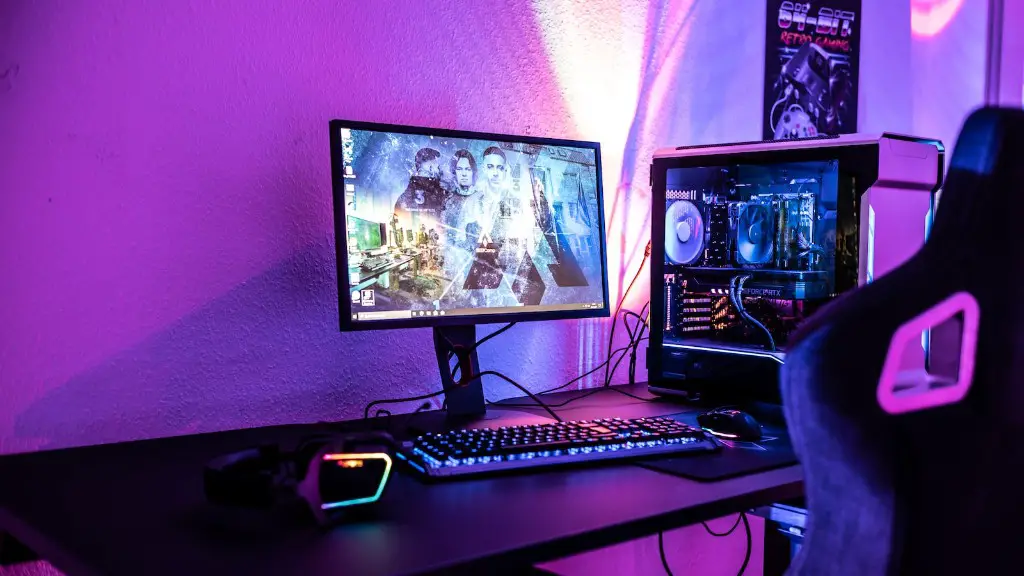
Once gamers have considered the resolution, response time, refresh rate, price and adaptive sync capabilities of the monitor they wish to purchase, they should also make sure to research reviews and ratings. This will allow gamers to ensure they are making an informed decision and that they are getting the most suitable monitor for their needs. Moreover, gamers should also make sure to read the manufacturer’s terms and conditions, to make sure they are entitled to a warranty.