Should You Buy A Gaming Pc?
At first glance, the decision whether to purchase a gaming pc may seem complicated. It’s a significant investment, and no one wants to make a wrong decision. But if you’re in the market for a pc that can handle any sort of gaming, it’s definitely worth considering.
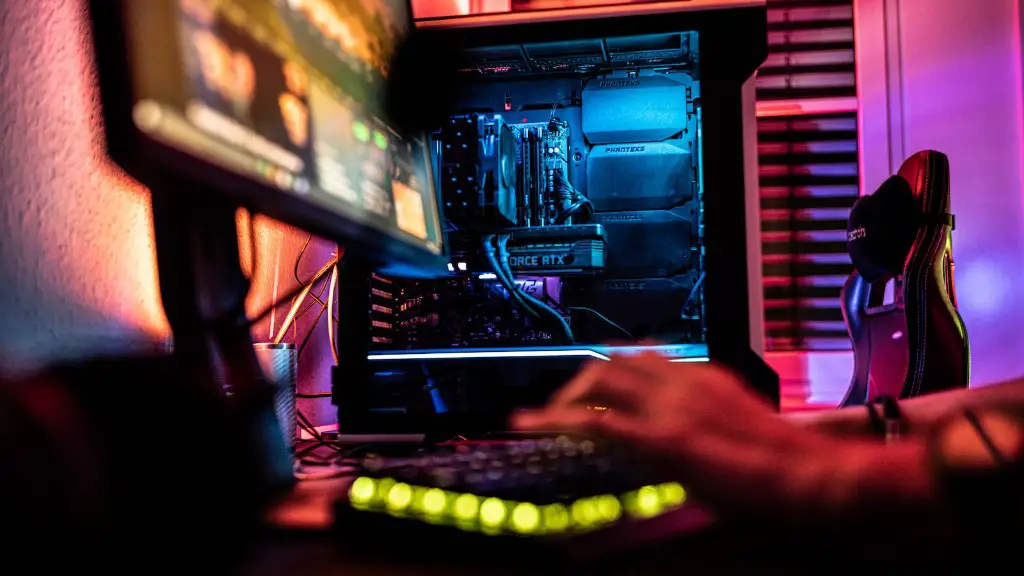
A gaming PC is typically built with components that are chosen for performance as well as reliability. For example, gaming PCs often use powerful graphics cards with ample RAM and fast processors. This helps ensure that the pc can handle the more demanding tasks of gaming such as high-framerate rendering and play at 4k resolution.
But that’s not all. A gaming PC also often comes with all sorts of additional features designed to improve your gaming experience. A large and spacious case designed for ease of access can make installing and swapping out parts a breeze. It can also come equipped with RGB lighting and liquid cooling systems to help keep the system running smoothly.
Speaking of which, a gaming PC often has better cooling than a standard PC. This is especially useful for longer gaming sessions, as it will help keep your pc running at optimal temperatures, thereby protecting from overheating.
In addition to this, most gaming PCs will come with pre-installed software and drivers that are specifically tailored to gaming. This can drastically reduce the amount of time it would take to install and configure these necessary elements for a great gaming experience.
So, when deciding whether to purchase a gaming PC, it’s important to weigh all of these factors. Do you need something with more performance and features? Is cost an important factor? Once you answer these questions, you can begin to determine if a gaming PC is right for you.
Pros and Cons of Buying a Gaming Pc
For gamers looking for the ultimate gaming experience, a new gaming pc is an attractive option, but it also comes with its own set of pros and cons. By understanding the advantages and disadvantages of a gaming pc, you can make an informed decision whether or not to invest in one.
The pros of having a gaming pc include the power, performance, and features of the components. A gaming pc has the highest possible specs and features that an enthusiast would need. This makes it an ideal choice for those looking for superior performance right out of the box. A gaming pc also has features like better cooling, larger cases and rgb lighting that can all contribute to improving the gaming experience.
The cons of gaming pc ownership include the expense and maintenance. Gaming pcs are more expensive than standard pcs, but they usually come with higher specs, making it worth the money for enthusiast gamers. Additionally, gaming pcs, like all computers, will require some upkeep and maintenance. This means regularly upgrading components, such as the graphics card and RAM, as well as making sure the pc is adequately cooled and the drivers are up to date.
Overall, when considering a gaming pc, it’s important to consider the pros and cons to accurately decide whether or not it’s worth it for you. Taking into account the cost, the performance, and your personal gaming needs, you can make the best decision for you.
Comparing To Other Gaming Options
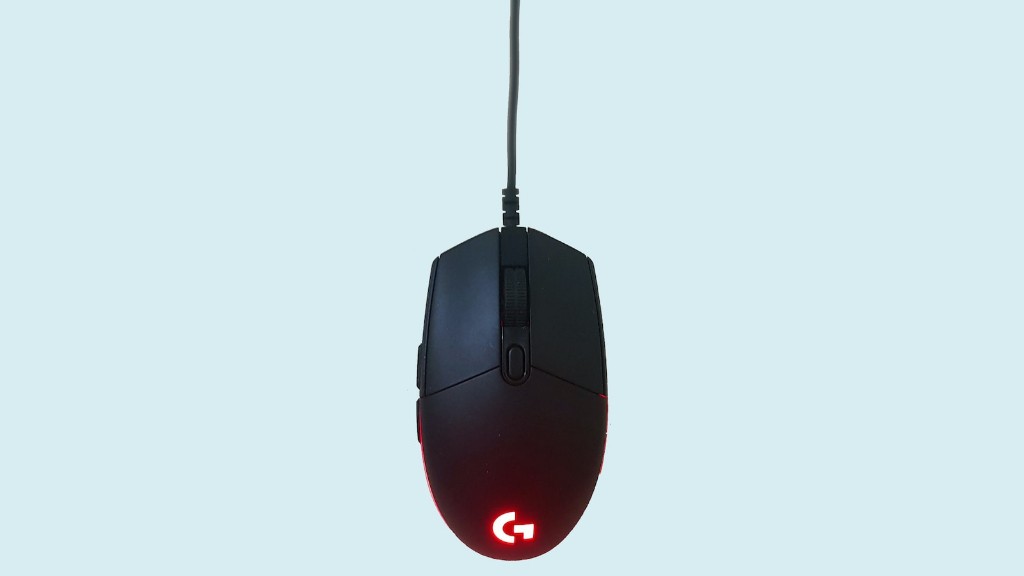
When considering whether to buy a gaming pc, it’s important to compare it to other gaming options. Gaming consoles, such as the PlayStation, Xbox, or Switch are usually very cost-effective and can be easier to set up and use. On the other hand, PCs can offer more performance and customizability options.
When comparing PCs to consoles in gaming performance, PCs usually come with more powerful GPUs, CPUs, and higher resolutions. These features allow it to handle more demanding gaming tasks, enabling them to run more graphically intensive games, such as virtual reality or career games. Additionally, PCs offer more customization options, allowing you to upgrade or replace components with higher-performance parts.
Furthermore, many games originally released on consoles may offer enhanced versions on PC, allowing players to experience the game with higher resolutions, faster frame rates, or even exclusive game content.
Ultimately, when choosing between a PC or console, it comes down to personal preference. Many gamers may find value in the cost-effectiveness, ease of use, and availability of games console offers, while others may be looking for more performance, customizability, and potential for upgrades that only a gaming pc can provide.
How Much Do Gaming Pcs Cost?
Most high-end gaming PCs will cost anywhere from $1,000 to $4,000 or more, depending on the components and features included. Mid-range gaming PCs tend to range from $400 to $2000, and budget models typically range from $200 to $900.
In terms of components, the GPU, RAM and CPU tend to be the most expensive, so any upgradable component can significantly affect the overall cost. Furthermore, more features, such as liquid cooling and RGB lighting also affect the price. However, it is also possible to build a good gaming PC on a budget with parts that offer quality performance.
For those looking to save money, some manufacturers offer pre-built gaming PCs with components already selected and configured. This may be an attractive option, as the manufacturer can often source components at cheaper prices than going through retail outlets. However, it is important to compare the specs and features of the pre-built PC versus the components you could buy separately, as pre-built PCs may be more expensive once you add in all the necessary parts.
What to Look for When Buying a Gaming Pc
When it comes to buying a gaming pc, choosing a reliable and compatible parts is important. When looking for parts, you need to make sure that the components are compatible with one another, meaning that the motherboard and CPU are the same socket type, and the RAM supports the speed and latency needed for the type of gaming you want to do.

In addition to this, the graphics card should be able to produce the type of frame rate and resolution needed for the games you want to play, and the power supply should be capable of handling the power needed by the system.
Furthermore, it’s essential to have ample storage space, including an SSD for faster loading times and a larger hard drive. This will help ensure that you have enough space to store games, applications and other files you may need.
Other features, such as liquid cooling and RGB lighting are also important and can improve the gaming experience. But they are mostly cosmetic, so they should be left out if you’re building the pc on a budget.
Ultimately, once you have chosen all the necessary components, you should make sure that the overall cost of the pc fits within your budget. Once you have considered these factors, you can proceed to assembly and configuration and begin enjoying your new gaming pc.
