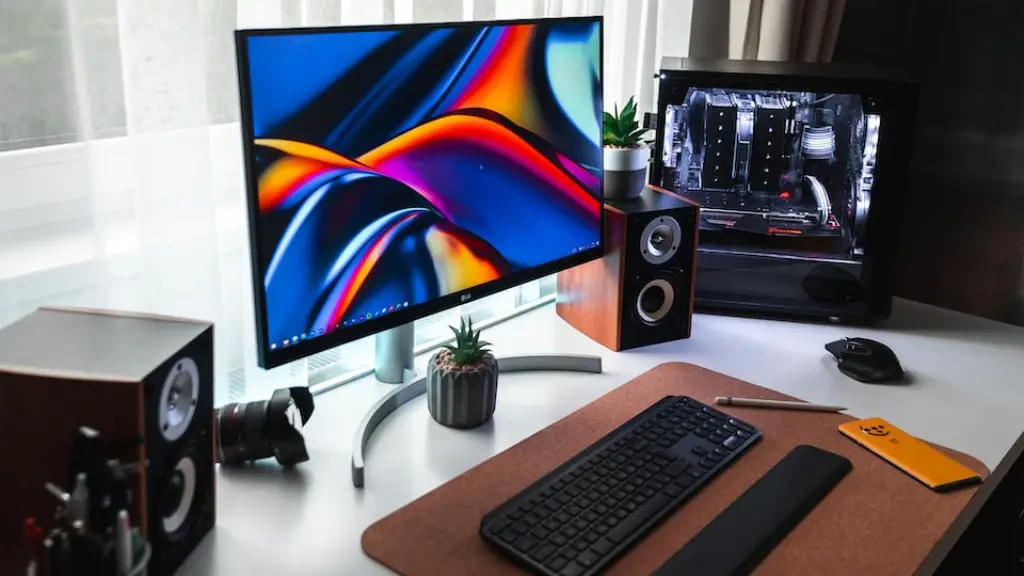
As a gaming enthusiast, it’s imperative to know if a gaming PC is worth the investment or not. The answer to this question depends on a few factors such as budget, availability, what kind of games you play and what hardware you require. Even though there are many pre-built gaming PCs that are cheap and readily available on the market, it’s best to determine certain criteria before deciding on one.
In terms of graphics cards and processors, modern AAA titles can be quite demanding. It’s important to research what kind of hardware configuration matches your gaming needs. Gamers who know their way around PC hardware can either opt for building their own gaming PC from scratch or configure one from online PC vendors. This will likely result in more performance while keeping the cost within their budget. On the other hand, those who don’t know their way around personalized computers can go for cheaper pre-built systems available on the market.
When it comes to peripherals, a gaming PC is no good unless you have the right setup. A good monitor, a comfortable keyboard and a gaming mouse are all essential components that will let you feel the full extent of your gaming experience. If you already have these components, then they are easily transferable to whatever gaming PC you choose. If you do not have them, however, then buying these in addition to the PC will make them more expensive.
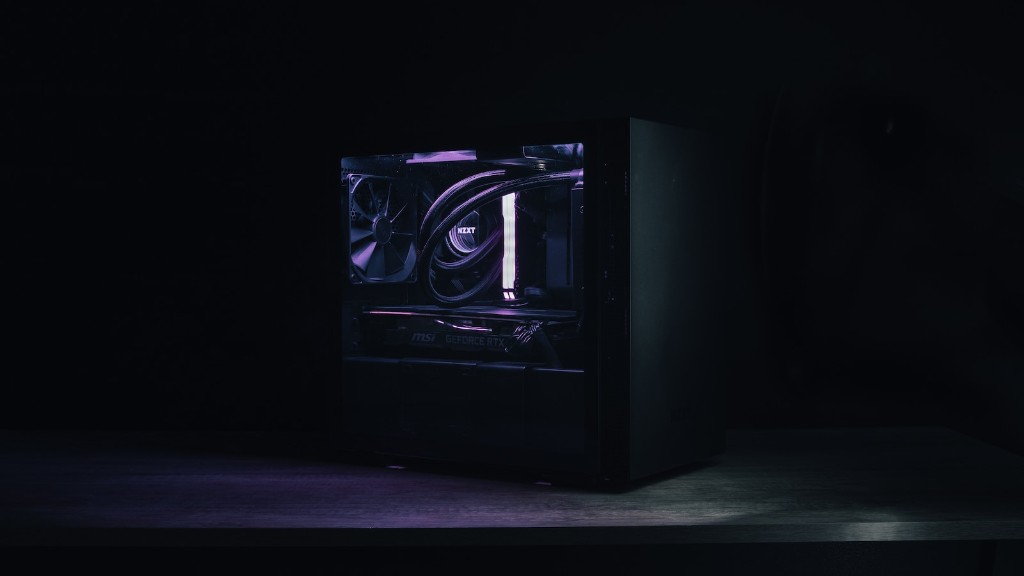
Another factor to take into consideration is the cost. Building a PC from scratch is cost effective, but pre-built gaming PCs offer the convenience of plug-and-play systems. This makes them a more sensible option for those who don’t have to worry about the technicalities of building a PC, or don’t want to invest too much. You can always customize the hardware according to your budget, but doing this will undoubtedly increase the cost.
Finally, you’ll need to consider the brand of the gaming PC. Popular brands such as Alienware and Cyberpower offer reliable gaming PCs. However, these are usually a more expensive option compared to other no-name brands. If you do not wish to spend too much, it would be wise to look at other brands that may offer better value for your money.
Commonly Known Issues in Gaming PCs
As gaming PCs have become more popular, businesses have started to focus on production rather than quality. This is leading to low-quality components and an overall lack of attention to details. Some of the more common issues in gaming PCs include overheating, breakage and component incompatibility. Because of this, reviews for gaming PCs become increasingly important for those contemplating the purchase.
Therefore, it’s important to thoroughly research before spending money on a gaming PC. You should always read online reviews from reliable users to get a better idea of the quality of the PC, and of course compare the prices against other competitors. This can be a daunting task, especially if you don’t have the right tools to make a knowledgeable choice.
You can also try to test the PC first before deciding if it’s the right one for you. If the retailer doesn’t offer any type of return policy, then it would be wise to check and test the chosen components prior to purchase. This isn’t always possible, especially if you buy online, but it’s important nonetheless.
Finally, it’s important to remember that buying a gaming PC is a “you get what you pay for” type of situation. You should always prioritize quality over price and go for the components that offer the most value for your money. Low-cost PCs may be tempting, but often their components and hardware are sub-par and can ‘t handle performance-based gaming experiences.
Accommodating Games For Gaming PCs
When it comes to gaming PCs, they are only as good as the games they can run. Not all PCs are able to accommodate the same games, so it’s important to know what you’re getting before committing to buy. Certain games may require more advanced graphics cards and other hardware configurations to run, while more casual games may be compatible with basic hardware.
To make the most out of your money, it’s recommended to choose powerful hardware configurations that can be used for newer titles as well as older ones. You should also take a look at the games you want to play and check system requirement lists online to ensure that the PC you choose is capable of running them. There are also certain benchmarks for gaming PCs that can give you a better idea about which hardware configurations are optimal.
On the other hand, if you’re just looking for something for everyday gaming, then you won’t need the latest and greatest hardware that only the most expensive gaming PCs can offer. Instead, you can invest in something a bit more affordable that can still deliver good performance. You should also consider the type of titles that are available to you and take price and availability into account when making your decision.
Finally, it’s important to know if the games you have been eyeing up have any compatibility issues with the gaming PC of your choice. Most gaming PCs come with the latest versions of Windows installed, and this is often a requirement for the latest games. It’s also important to note that certain games may only run on certain versions of Windows, so it’s important to make sure your chosen PC can accommodate those games.
Software and OS Requirements
As mentioned above, there are certain requirements that must be met in order to run certain games properly. Operating systems also play an important role in this regard, as certain games may not be compatible with certain versions of Windows. This can be a common issue with gaming PCs, since they usually come with the latest version of Windows, but compatible titles may be limited.
This can be solved by either upgrading your operating system or, if possible, switching to an operating system alternative. In this case, Linux based operating systems are a great option since they require fewer resources and can be configured to run most PC games. You should also take a look at any additional software requirements needed to run specific games, like API or .NET Framework.
If you’re looking for a gaming PC for gaming-related activities such as streaming or recording, then it’s important to consider how much power you need. You should take into consideration the hardware and software specifications of the applications you want to use and make sure that the gaming PC you choose can run them properly. This may require you to pick certain components such as powerful CPUs and GPUs, so research is essential.
Moreover, it’s important to note that the latest and greatest hardware won’t necessarily make your gameplay experience better. It’s often the combination of hardware and software working together that will determine the overall performance of your system. If you don’t know much about software and hardware configurations, then you’re better off going with a pre-built gaming PC over building one from scratch.
Other Factors To Consider
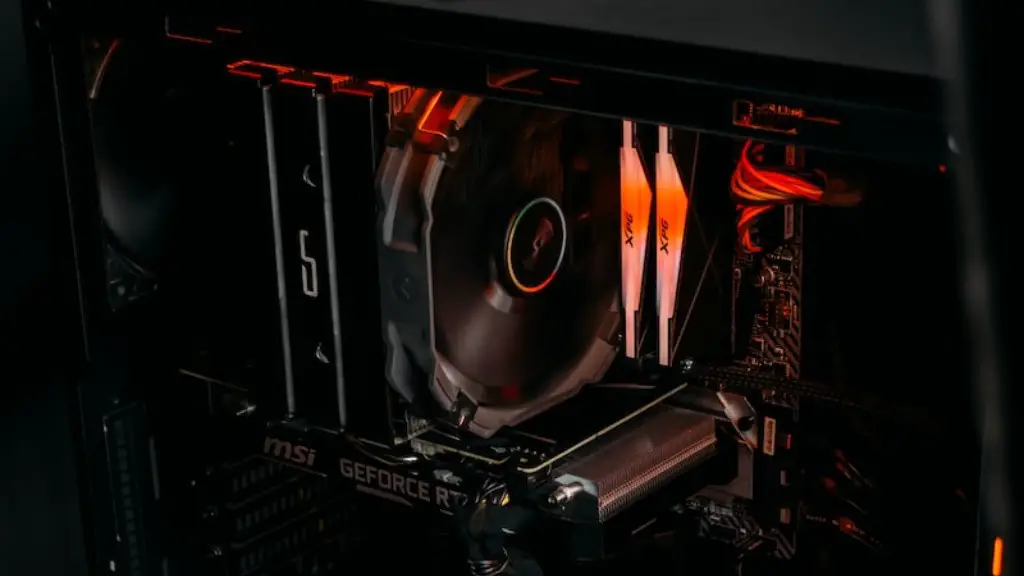
When looking for a gaming PC, there are a few other factors that you need to consider such as cooling and other features. PCs usually come with a single fan cooling system, but if you’re looking for a more powerful system then you should look for two or three fan cooling systems. This ensures that the system doesn’t overheat and can provide a better overall gaming experience.
In terms of features, gaming PCs usually come with additional features such as RGB lighting and customizable effects. These features are nice additions, but they don’t necessarily improve the performance of the PC. If you’re looking to increase your gaming performance then you should focus more on the hardware configuration than the cosmetic effects.
Finally, it pays to look at the warranty of the gaming PC you choose. Since gaming PCs generally have higher prices than regular PCs, it’s important to ensure that you can return them in case of any issues. This is especially important if you are building from scratch or configuring from online vendors.
In conclusion, getting a gaming PC is a worthwhile investment for gaming enthusiasts. You should always prioritize quality over price and research thoroughly to determine which hardware and software configurations suit your gaming needs best. Additionally, you should remember to check for compatibility issues and read online reviews for the chosen gaming PC before committing to buy.
