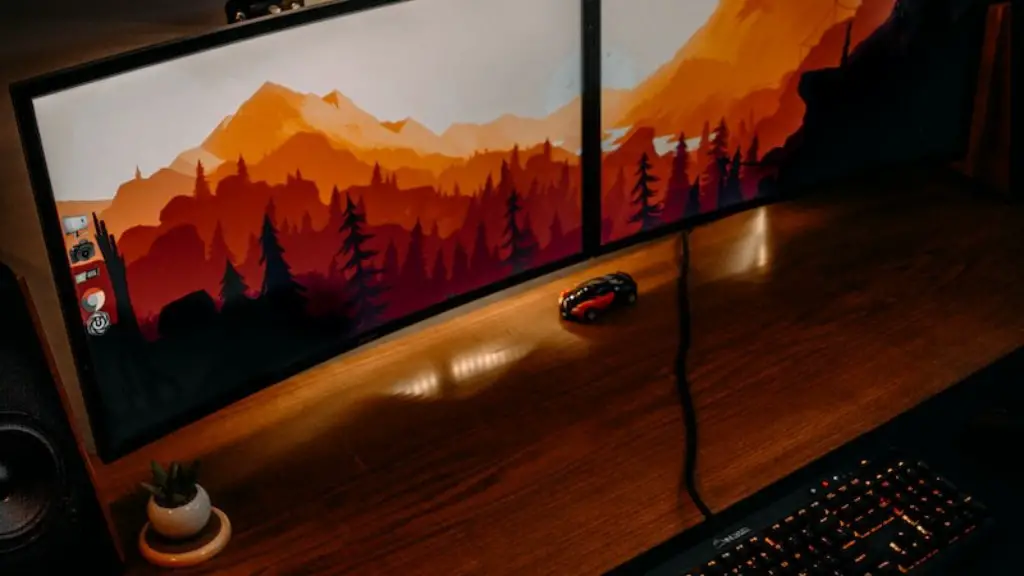
Gaming PCs can be intimidating pieces of equipment as there’s a lot of components that you need to consider. Fortunately, there are plenty of options out there and this article will cover the components necessary to build your own gaming PC. By familiarizing yourself with the components, you can ensure that you get the most out of your gaming experience.
First and foremost, you’ll need a CPU that is capable of handling the games you want to play. For most gaming rigs, an Intel Core i5 or i7 processor is good enough to get you up and running. Next, you’ll want to pick a compatible motherboard that fits your CPU and allows you to connect all your other components.
After this, you’ll need to pick a graphics card that gives you the desired resolution and frame rate. A mid-level NVIDIA GeForce GTX 1060 or AMD Radeon RX 580 are good choices for most gaming rigs. You’ll also need a RAM with at least 8GB to 16GB being the sweet spot for most gaming rigs.
To store all your games, you’ll need an HDD or SSD for storage. HDD’s are usually cheaper, but the storage is limited and less reliable. An SSD will cost more but it’ll give you increased performance and reliability. As for power supply, a 500 watt PSU should be enough for most gaming rigs.
Lastly, you’ll need a PC case to house all the components. This will depend on the size of your parts and preferences but as a rule, look for something that has enough room for your components but is not too large as this will increase your electricity bills.
Cooling System
A crucial component of a gaming PC is the cooling system. Without proper airflow and cooling, you won’t be able to experience optimal gaming performance. For most gaming rigs, an aftermarket CPU cooler is recommended as the factory-installed stock coolers aren’t optimized for gaming. As for the case, make sure it has ample room for fans and adequate vents to allow the air out.
Before you start building your gaming PC, make sure to pair the right fan with the right components. The type of fan you’ll need will depend on the size and type of component. For instance, CPU fans tend to fit in 120mm sizes, while GPU fans usually fit in either 120mm or 140mm sizes.
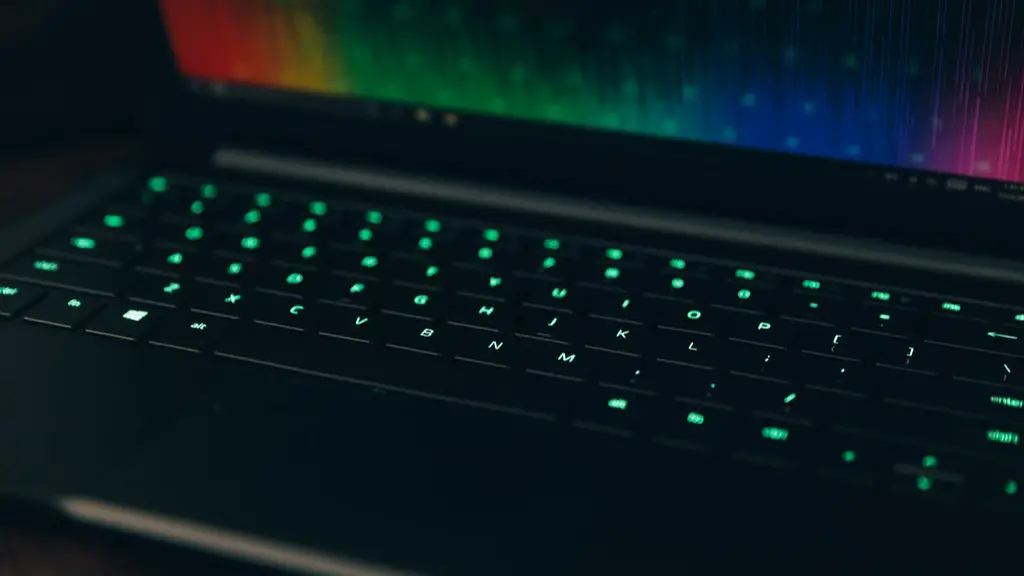
It is also important to match the noise level of the fan with the rest of the components. Case fans tend to be louder than CPU and GPU fans, as they’re responsible for moving most of the air in your rig. When selecting a fan, make sure to get one that won’t disrupt your gaming experience.
Sound Card
While most motherboards have integrated audio cards, those are normally enough for everyday use and don’t provide the best gaming experience. If you want to get the most out of your gaming rig, investing in a dedicated sound card is a great way to go.
A sound card will provide great audio quality and will free up valuable resources inside your rig as integrated audio cards can take up a considerable amount of RAM and processor power. If you’re serious about gaming, investing in a dedicated sound card is a must and will bring out the best in your gaming rig.
Operating System
When building your own gaming PC, the operating system is an important factor to consider. Windows is the standard operating system for most PCs, but there are some alternatives to consider such as Linux and MacOS. Each option is viable and will provide different graphical capabilities and features.
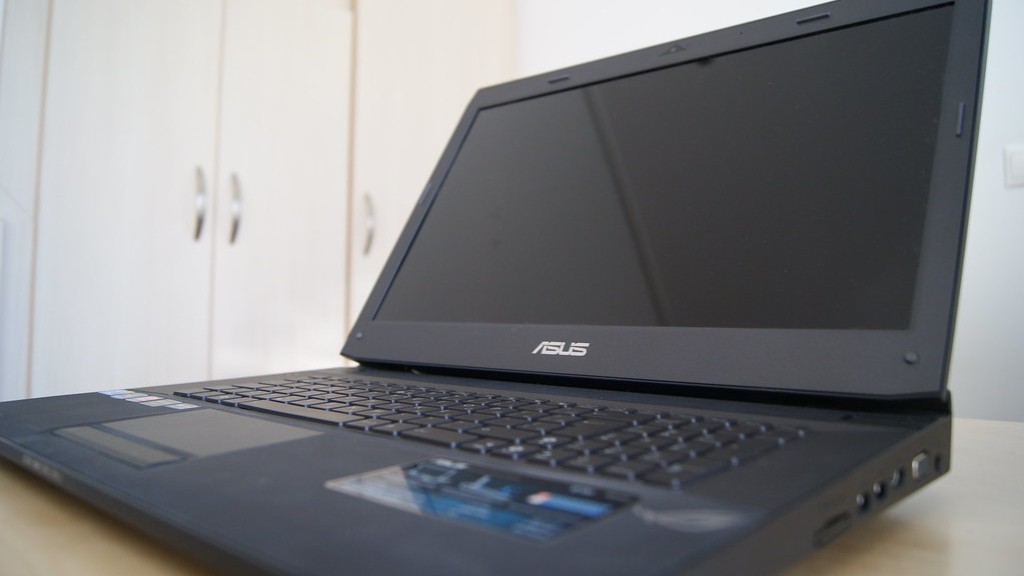
When selecting a Windows operating system, make sure to get the latest version as this will give you access to new features and improved performance. However, you can also opt to go with an older version of Windows if you want to save on cost.
Peripherals
Finally, you’ll need to invest in additional peripherals to complete your gaming experience. Things like a gaming keyboard, mouse, and monitor are essential when it comes to gaming. Depending on your budget, you can opt for entry-level peripherals or you can invest in higher-end hardware if you have the cash.
In addition, you also need to consider other peripherals such as gaming headsets, microphone, controllers, and webcams. These aren’t essential, but they can give you a leg up in gaming and allow you to take your gaming experience to the next level.
Networking
For multiplayer gaming, networking is essential. To get the most out of your gaming experience, it is important to invest in a reliable internet connection with a good ping time. Many gaming rigs now come with integrated LAN cards but if yours doesn’t then it is recommended to get one.
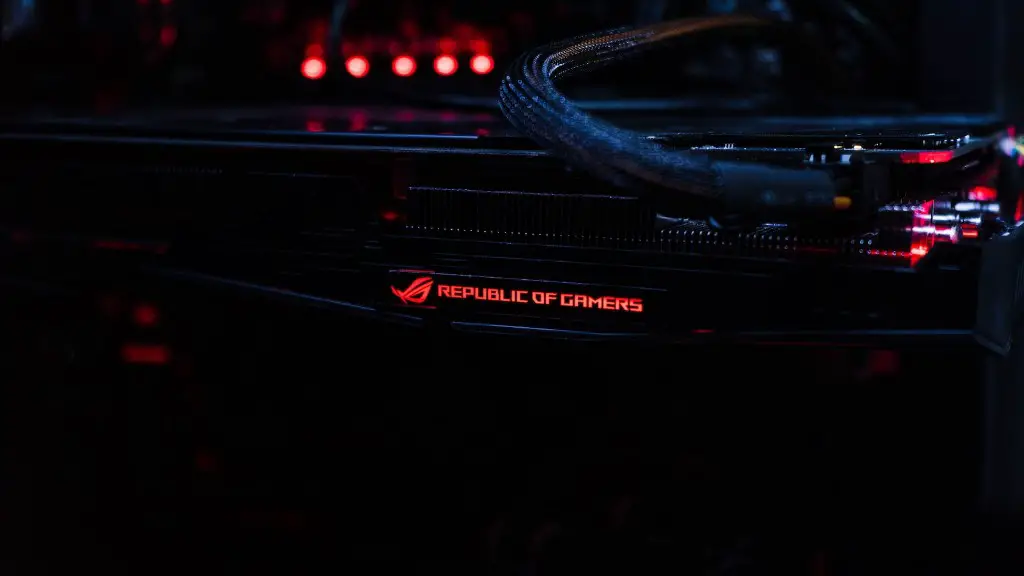
You can also opt for a wireless connection, but this isn’t recommended for serious gaming as you’ll be prone to lag and packet loss. Cable connections tend to provide better stability and less lag, which makes them ideal for gaming. Investing in a good router is also recommended as this will help optimize your connection and reduce ping times.
Assembly/Installation
The final step in building your own gaming PC is the assembly and installation. This can be daunting for those who are new to the process, but there are plenty of resources out there that can help you along the way. It is recommended to take your time and be careful when handling the components and make sure to follow the manufacturer’s instructions.
In addition, double-check all the cables and connections to ensure that everything is properly secured. This is especially important as it will ensure that your components are receiving enough power and are working correctly. If done correctly, you’ll have a working gaming PC that’ll give you the best gaming performance.