When talking about modern gaming, the term ‘Freesync’ has become increasingly common. But what does freesync mean on a gaming monitor? Let’s explore this in more depth. Freesync is a type of Adaptive Sync technology developed by AMD. Adaptive Sync is designed to reduce screen tearing and stuttering between a display’s refresh rate and the game frame rate. This reduces the amount of lag that can rub gamers the wrong way and cause poor gaming performance. Basically, Freesync makes sure your gaming monitor is optimized so you can get the most out of each gaming experience.
Vsync and Adaptive Sync
Vsync is a type of technology that has been used to reduce screen tearing in games and videos for many years. The problem with Vsync is that it can introduce input lag when the game frame rate drops below the refresh rate of the monitor. This is because Vsync will wait for the frame rate to return to the monitor’s refresh rate before displaying the next frame. This causes the game to become choppy and unresponsive, making it difficult to play and enjoy. Adaptive Sync overcame this problem by dynamically adjusting the refresh rate to match the game frame rate, resulting in a smoother gaming experience.
How Freesync Works
Freesync works in a much similar way to Adaptive Sync. It allows the gaming monitor to adjust its refresh rate to match the game frame rate. However, it is exclusive to AMD GPUs and allows for a wider range of frames per second (FPS) to be used. Having a higher range allows for higher quality visuals and smoother gameplay. Furthermore, Freesync reduces input lag so gamers can have a more responsive gaming experience. The technology is also power efficient and does not increase input lag as the FPS rises, which means gamers can enjoy a consistent gaming experience without worry.
Benefits of Freesync On a Gaming Monitor
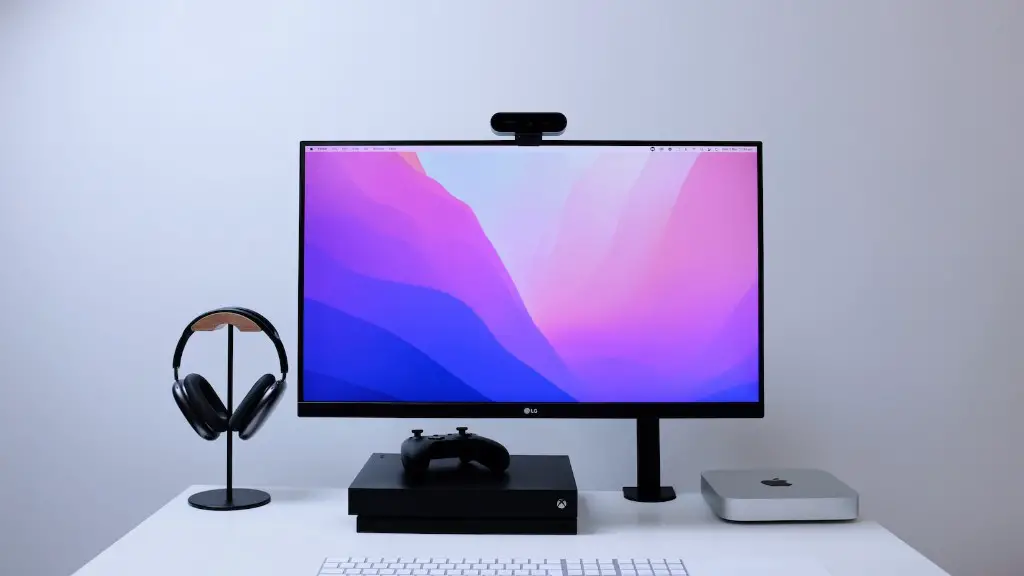
The main benefit of using Freesync on a gaming monitor is that it allows for smoother gameplay. This is because the monitor will adjust its refresh rate to match the FPS of the game. This makes the game much more responsive, meaning gamers can enjoy a more fluid gaming experience. Furthermore, Freesync also helps to reduce stuttering and tearing, making the games look smoother and more enjoyable. Finally, having a wider range of supported FPS also increases the quality of the visuals, as well as allowing gamers to play more games in higher settings.
Limitations of Freesync On a Gaming Monitor
Although Freesync is beneficial for gaming, it does come with some drawbacks. The main limitation of Freesync is that it is exclusive to AMD GPUs. This means gamers who don’t have an AMD GPU will not be able to take advantage of its benefits. Additionally, Freesync monitors are generally more expensive than regular ones, meaning gamers may have to spend more money to get the best gaming experience. Finally, Freesync is only available on certain monitors, meaning that gamers may have to wait for more monitors to be compatible.
Gaming Monitors With Freesync
As mentioned before, Freesync is only available on certain gaming monitors. However, there are now a wide range of Freesync gaming monitors to choose from. Popular brands such as LG and BenQ offer Freesync monitors, and AMD itself has recently released its own gaming monitor. This means that gamers now have plenty of options when it comes to Freesync gaming monitors, allowing them to choose the one that suits their budget and needs.
Features of Freesync On a Gaming Monitor
The main feature of Freesync is that it ensures a smooth gaming experience. This is because it adjusts the monitor’s refresh rate to match the frame rate of the game. This reduces screen tearing and stuttering, making the game more responsive and allowing gamers to enjoy a more fluid experience. Additionally, Freesync also supports a wider range of FPS, allowing gamers to play games in higher settings and get the best visuals possible. Finally, Freesync monitors are generally more power efficient, meaning gamers can enjoy their gaming sessions for longer.
Conclusion
Freesync is a type of Adaptive Sync technology developed by AMD. It ensures a smooth gaming experience by adjusting the monitor’s refresh rate to match the game’s frame rate. This reduces stuttering and tearing, as well as improving the quality of visuals by supporting a wider range of FPS. Freesync is exclusive to AMD GPUs, and more expensive than regular monitors, however, there is now a wide range of Freesync gaming monitors available for gamers to choose from.
