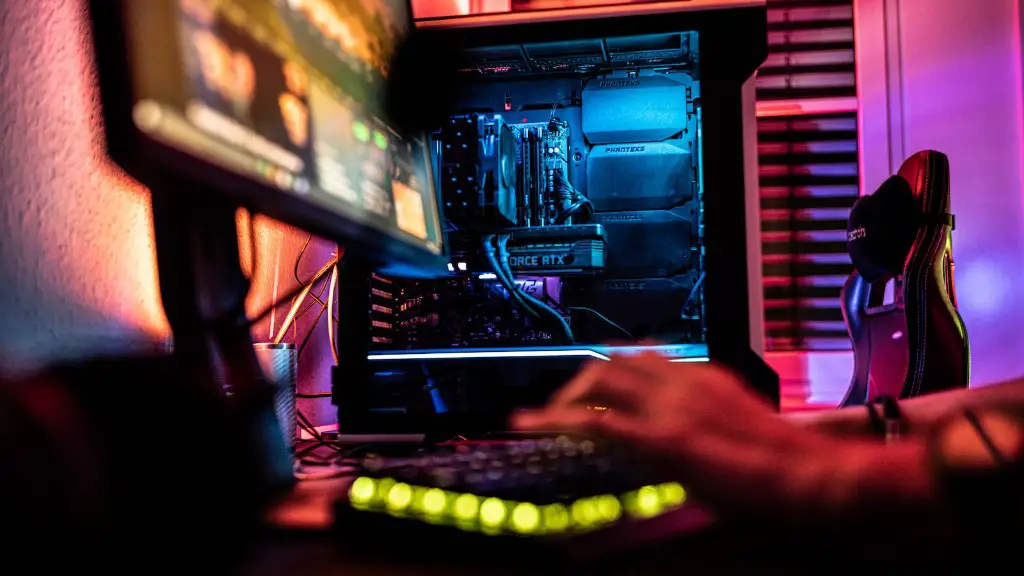
Random Access Memory (RAM) is an essential component for gaming PCs. It primarily acts as the system’s “working memory,” which is used to temporarily store data and instructions that the processor needs to perform tasks. This temporary data storage not only improves overall performance but also allows the user to access or manipulate larger amounts of data quickly and efficiently. As a result, RAM is essential for all gaming PCs, as it ensures the system can run complex games and other applications smoothly.
In addition to providing responsiveness to the user’s inputs, RAM also helps improve system performance by allowing multiple applications to run simultaneously. Without RAM, the system would have to shut down one application before launching the next – a situation that would cost precious time in the gaming world. Instead, a gaming PC’s RAM helps it quickly and efficiently switch between different applications and tasks, providing a seamless experience and better overall performance.
RAM also helps gaming PCs to achieve faster loading times. A game will often require a lot of data to be loaded into RAM, which allows the processor to access it quickly and efficiently. As a result, this makes loading levels, menus and other assets much faster, allowing the gaming experience to be more enjoyable and eliminate any potential lags.
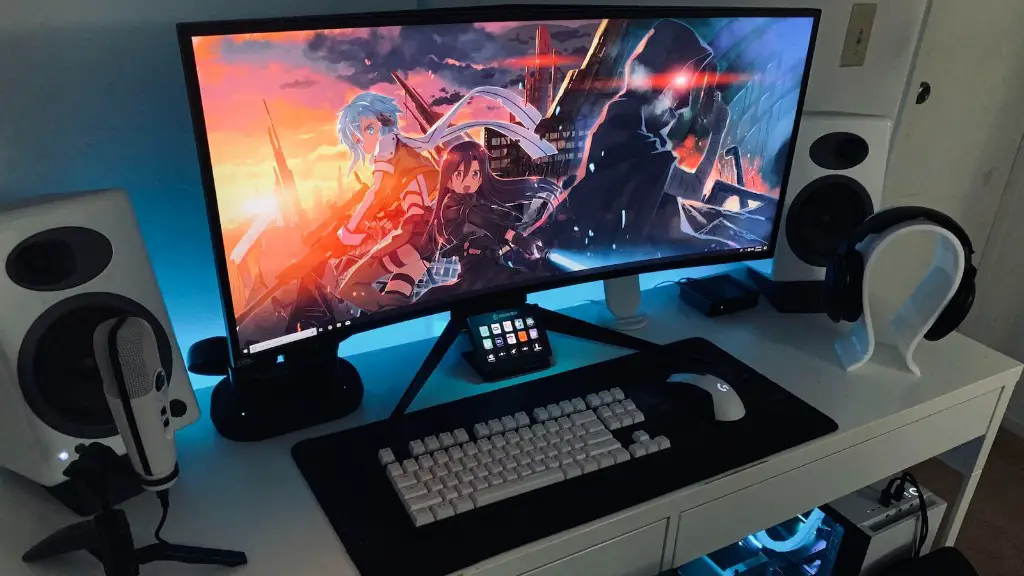
Finally, larger amounts of RAM can also improve video card performance. This is especially important for gaming PCs where higher frame rates can give the user an edge over their opponents. All of this means that when building a gaming PC, you’ll want to ensure it can support the type of RAM that is needed for the task – depending on the type of games being played and the quality of the graphics.
What Is DDR Memory?
DDR (double data rate) memory is one of the most popular types of RAM used in modern gaming PCs. It has two notched connectors that allow two data transfers per clock cycle, resulting in much faster transfer rates compared to other memory types. With DDR memory, information can be read from and written to RAM in rapid succession, making it the ideal choice for gaming PCs when it comes to multitasking.
DDR memory comes in several different speed ratings, ranging from DDR4-2133 to DDR4-4133. The most common types for gaming PCs are the DDR4-3000 and DDR4-3200, which provide the best compromise between performance and cost. As such, it is important to consider the type of DDR memory that is needed for the gaming PC, as greater speeds will result in better overall performance.
Finally, when deciding on the amount of RAM to install, it is important to take into consideration the size of the games being played. For example, if the games require a lot of data to be stored in RAM, then it is a good idea to increase the amount of RAM. This will not only improve overall performance but also ensure smoother gaming experiences.
What Is DRAM?
DRAM (Dynamic Random Access Memory) is a type of RAM that is used primarily in gaming PCs. Unlike DDR memory, DRAM does not have a clock cycle-dependent operation, meaning it can be used as both temporary and permanent storage of data. This makes it particularly useful for gaming PCs as it allows for quicker access to data and can be used for a wider range of gaming tasks.
DRAM also offers larger capacities compared to other types of RAM, making it a good choice for gaming PCs that require large amounts of data to be stored in RAM. Furthermore, DRAM can also be found in different speed ratings, which range from DDR4-1600 to DDR4-3200. As such, it is important to consider the type of DRAM that is needed for the gaming PC, as higher speeds will result in better overall performance.
Finally, when purchasing DRAM, it is important to ensure that it is compatible with the components on the gaming PC. For example, some motherboards may require DDR4-3200, while others may require DDR4-2666. Additionally, the RAM should also be compatible with the CPU, as this will ensure that the system operates at peak performance when gaming.
What Is Virtual RAM?
Virtual RAM (also known as Page File or Swap File) is a type of memory that is used to supplement physical RAM and is typically used when the amount of physical RAM is insufficient. As such, it is often used in gaming PCs as a way to reduce the strain on the RAM and CPU when running complex games or applications.
Virtual RAM can be either a file stored on the hard drive or a RAM disk. The latter is faster and more efficient, as it keeps all the data in RAM, but it is also more expensive and tricky to set up. File-based virtual RAM is cheaper and easier to manage, but it is also slower and can cause a noticeable lag.
Overall, virtual RAM can be a great supplement to physical RAM in gaming PCs, especially when the physical RAM is insufficient. It provides an easy way to supplement the physical RAM without having to invest in more RAM, allowing the processor to run more smoothly and efficiently.
What Is ECC RAM?
ECC (Error Correcting Code) RAM is a type of RAM that is used primarily in servers and high-end gaming PCs. It is designed to detect and correct any errors that may occur during data transfer, making it ideal for applications where accuracy and reliability are of utmost importance.
ECC RAM can also be beneficial for gaming PCs, as it helps to reduce the risk of data corruption, significantly reducing the chances of a crashing or freezing system. Additionally, ECC RAM can help to improve overall performance, as it is designed to detect and correct any errors that may occur during data access, resulting in faster response times.

Finally, when purchasing ECC RAM, it is important to ensure that it is compatible with the components on the gaming PC. Additionally, the RAM should also be compatible with the CPU, as this will ensure that the system operates at peak performance when gaming.
Can RAM Make a Difference in Gaming Performance?
Yes, RAM can make a significant difference in gaming performance. As mentioned earlier, it is used to temporarily store data and instructions that the processor needs to perform tasks. Without this data, the processor will take a much longer time to process data, resulting in poorer performance.
In addition to this, larger amounts of RAM can also help improve the speed at which games load and the frame rate of the game. The more RAM the system has, the faster it can store and access the data it needs to run the game, resulting in better performance. As such, it is important to ensure that the gaming PC has enough RAM to support the type of games being played and the quality of the graphics.
Finally, RAM can also help to reduce lag and improve multitasking capabilities. This is especially important for gaming PCs, where responsiveness to the user’s inputs and switching between different applications quickly can give the user an edge over their opponents.
Can Too Much RAM Slow Down a Gaming PC?
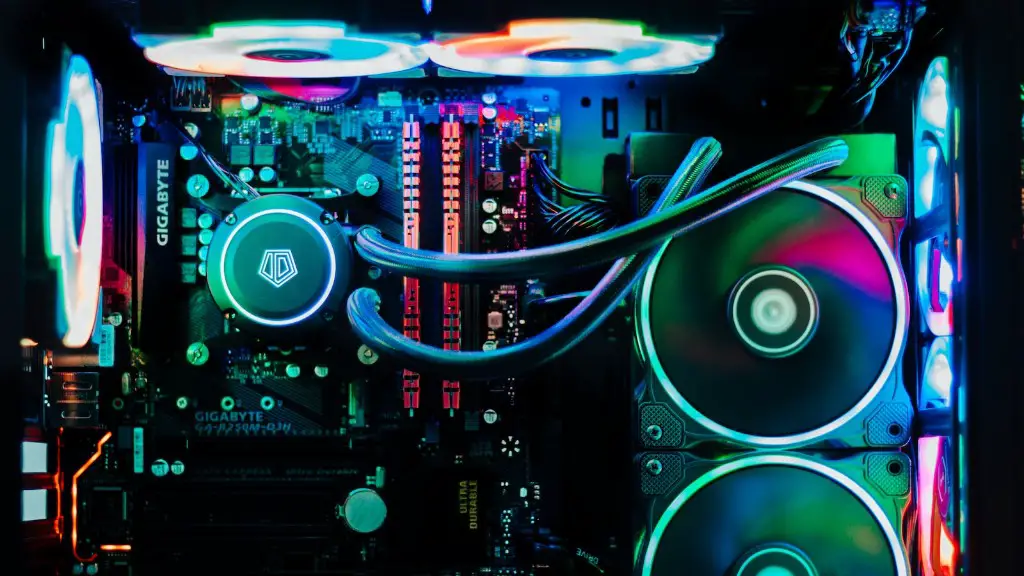
No, having too much RAM will not slow down a gaming PC. While an overabudance of RAM can affect the rate at which games load, this is not typically an issue nowadays due to the advancements in technology. That being said, if the RAM is not compatible with the processor, then it may have a negative effect on performance, so it is important to ensure that the RAM is compatible with the processor and other components.
In addition to this, having too much RAM can also lead to increased power consumption, as the RAM will require power to run. As such, it is important to consider the amount of RAM that the gaming PC needs and ensure that it is the right balance between performance and power consumption.
Finally, it is also important to consider the type of RAM that is being used in the gaming PC. Different types of RAM will have different speeds and capacities, so it is important to ensure that the RAM is compatible with the processor and other components to ensure the best possible performance.
What Is the Optimal Amount of RAM for a Gaming PC?
The optimal amount of RAM for a gaming PC will vary depending on the type of games being played and the level of graphics that is desired. For most gaming PCs, 8GB of RAM is typically more than enough for the majority of games. However, for highly demanding games and graphics settings, 16GB or even 32GB of RAM may be necessary to get optimal performance.
In addition to this, it is important to consider the type of RAM that is being used in the gaming PC. DDR4 memory is typically the best choice for gaming PCs, as it provides the best compromise between performance and cost. As such, it is important to consider the type of DDR memory that is needed for the system and ensure that it is capable of supporting the right speed ratings.
Finally, when deciding on the amount of RAM to install, it is important to take into consideration the size of the games being played. For example, if the games require a lot of data to be stored in RAM, then it is a good idea to increase the amount of RAM. This will not only improve overall performance but also ensure smoother gaming experiences.