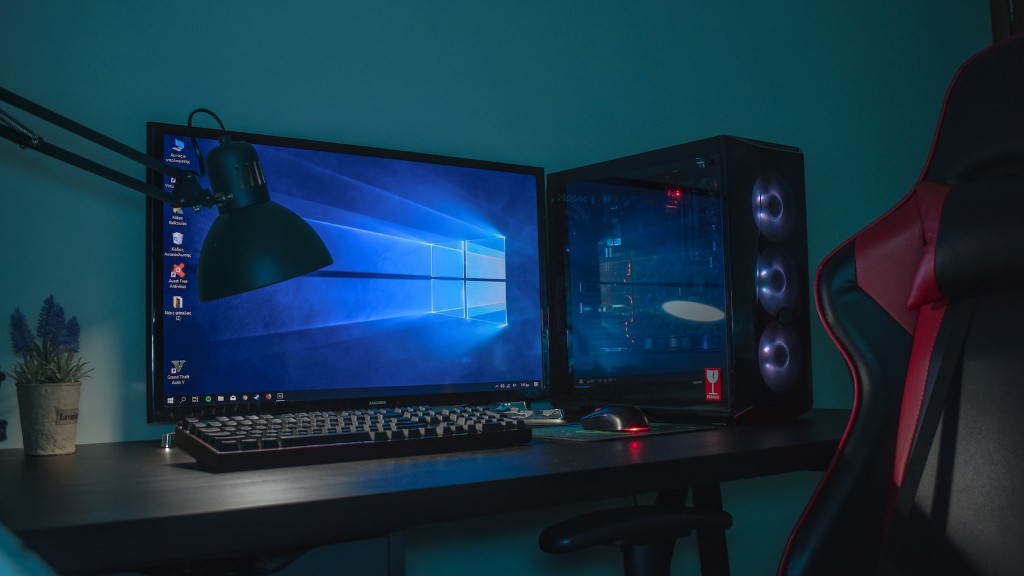
When looking to purchase a gaming PC, the question often arises “What does the average gaming PC cost?” The prices of gaming PCs can vary greatly depending on the type of components and the desired performance, so it is essential to do sufficient research before investing in such a machine. Generally, the average gaming PC will cost between $700-$2000 USD, depending on the specifications. This cost range will provide a gaming PC with a decent processor, graphics card, adequate RAM, a case and a power supply.
Purchasing a gaming PC can be an intimidating task for the uninitiated, so it’s important to remember that these systems are all based around the same architecture and components. Even the most costly gaming PCs will likely have the same processor, RAM, and other related components as a lower-end machine. The primary difference is likely to be the graphics card, which is often the most expensive single component of any gaming PC. For this reason, when looking for the average gaming PC, it is important to consider the type of graphics card that is most appropriate for the desired level of performance.
The overall cost of a gaming PC also depends on the quality of the components used. For example, gaming PCs with cheaper components may be priced lower, but the quality of those components could cause performance issues in some titles. Quality components, such as those found in more expensive gaming PCs, are designed to provide a far better gaming experience, and can help to maximize performance.
The choice in case and power supply can also affect the cost of a gaming PC. While more expensive cases are often found on high-end gaming PCs, it is not always necessary to have the most expensive case and power supply. Higher-end cases often have features such as built-in fans, better cable management, and improved airflow, which can help to ensure the longevity and stability of the gaming PC.
Finally, the cost of a gaming PC can also be affected by extra features, such as water-cooling systems and lighting accessories. While these features are not essential for a gaming PC, they can add a unique aesthetic and can help to better showcase the gaming PC.
Graphics Card
The most important component of any gaming PC is the graphics card, which is responsible for generating the visual output of a game. The graphics card will determine how well a game is going to run, so it is essential to invest in a quality card. A high-end graphics card will cost between $300-$900 USD, depending on the type and brand. For example, a mid-range card such as the Nvidia GeForce GTX 1060 will cost around $300 USD while a more advanced card such as the RTX 3090 will cost closer to $900 USD.
It is important to remember that not all games will require an expensive graphics card; some games may run just as well on a mid-range card as on an ultra-high end card. For this reason, it is important to consider the types of games that will be played most often in order to determine which type of graphics card is best.
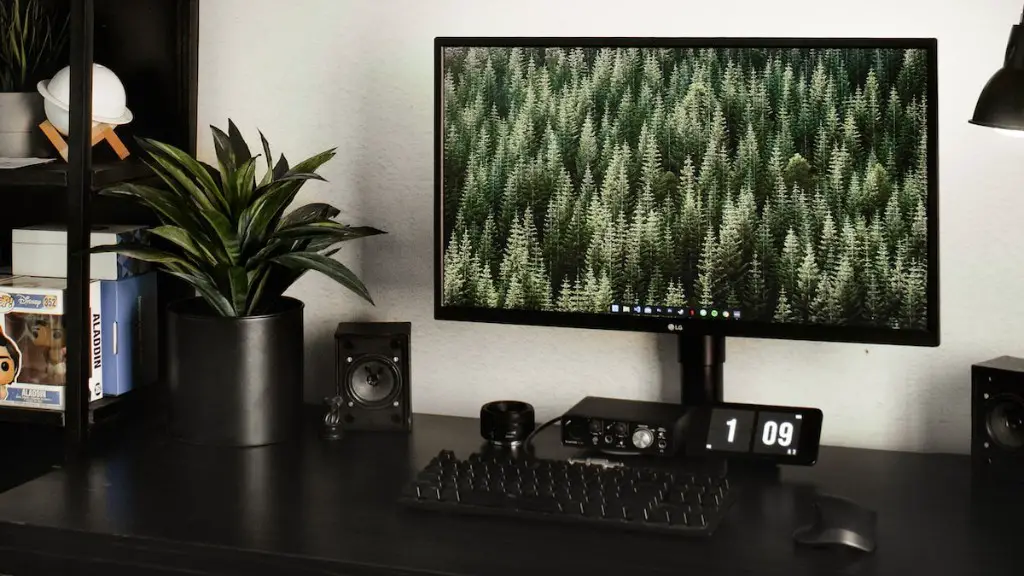
Additionally, some gaming PCs may come with two or more graphics cards, allowing for a more powerful gaming experience. This is known as SLI (or Scalable Link Interface) and is often used in more expensive gaming PCs in order to maximize performance.
Memory
The memory, or RAM, of a gaming PC is also an important consideration when looking for the average gaming PC. A gaming PC should have at least 8GB of RAM, though some games may require higher amounts such as 16GB for optimum performance. While 8GB of RAM is adequate for most games, those who wish to play more demanding games will likely need 16GB or more. The cost for additional RAM will depend on the type, but can range from $30-$100 USD.
In addition to the amount of RAM, the speed of the RAM can also affect performance. For example, DDR3 RAM is significantly slower than DDR4 RAM, and can cause performance issues in some games. When considering the average gaming PC cost, it is important to factor in the cost of higher-speed RAM in order to maximize performance.
The choice of storage is also important to consider, especially if the gaming PC is going to be used to store large amounts of data. A solid-state drive will provide superior performance and is usually the best choice if the budget permits. Solid-state drives can range from $20-$200 USD, depending on the size of the drive. While larger drives may cost more, they can also provide more storage for games, thus eliminating the need for additional hard drives or external drives.
Keyboard/Mouse
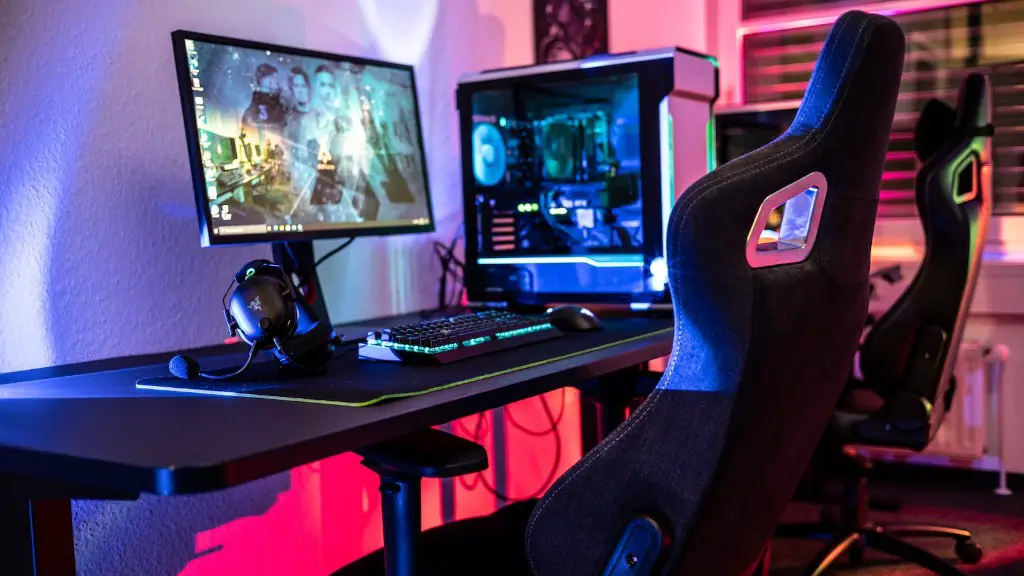
When considering the average gaming PC cost, it is important to factor in the cost of peripherals such as the keyboard and mouse. While it is possible to use a standard keyboard and mouse for gaming, investing in a quality gaming-oriented keyboard and mouse can greatly improve the experience. Gaming keyboards and mice can range from $20-$200 USD, depending on the features and design. For example, higher-end gaming keyboards and mice may feature RGB lighting, programmable buttons, and adjustable settings.
In addition to cost, it is important to consider comfort. Purchasing a keyboard and mouse with ergonomically designed features can help to reduce the risk of developing strain or discomfort during long gaming sessions. It is worth taking the time to find a keyboard and mouse that is well-suited both in terms of price and in terms of comfort.
While the cost of high-end keyboards and mice may seem like a lot, investing in quality peripherals can drastically improve the gaming experience. For this reason, it is important to consider the cost of these peripherals when looking for the average gaming PC cost.
Operating System
Another important factor to consider is the cost of an operating system. Most gaming PCs will come pre-installed with an operating system such as Windows 10, however the cost of this software can vary significantly depending on the version. Windows 10 Home will typically cost around $100 USD, while Windows 10 Pro may cost closer to $200 USD.
If cost is a concern, there are some viable alternatives to Windows 10, such as Linux and SteamOS. While these alternative operating systems are not as feature-rich as Windows 10, they are still suitable for gaming and often come at no cost. It is worth researching these alternatives to determine if they offer the gaming experience that is desired.
Finally, the cost of a gaming PC will also depend on the type of warranty offered by the manufacturer. High-end gaming PCs often come with extended warranties that can help to provide peace of mind in the event of a breakdown or failure. Depending on the manufacturer and the cost of the gaming PC, the cost of an extended warranty can range from $50-$200 USD, so it is important to factor this into the overall cost.
Other Components
Apart from the major components mentioned above, a gaming PC will also require additional accessories such as power cables and other general components. Some of these accessories may come with the gaming PC, but some may need to be purchased separately. The cost of these accessories will depend on the specific components that are needed. While these components are not essential for a gaming PC, they can help to maximize performance and are important to consider when looking for the average gaming PC cost.
When it comes to hardware, it is essential to invest in quality components that are designed to withstand the demands of gaming. Higher-end components can be more expensive, but they are often built to last and can provide better performance and fewer issues in the long run.
Finally, it is important to consider any additional services or software that may be required for the best gaming experience. For example, access to digital stores such as Steam and Origin may require an additional subscription fee. Additionally, some games may require their own upgrades or add-ons, so it is important to factor these costs into the final price of a gaming PC.
