High Dynamic Range (HDR) gaming monitors provide gamers with an unprecedented level of precision and clarity that can take their gaming experiences to the next level. HDR is a technology that allows higher contrast ratios between bright and dark elements on screen. This means that darker elements appear much darker and brighter elements are much brighter, making the image significantly more lifelike. HDR gaming monitors are more expensive than standard monitors, but the added benefits make them worth the extra cost for serious gamers.
HDR monitors offer a much higher level of intense color and matte black than conventional monitors, making games more vibrant and realistic. They come with wider color gamut, much more dynamic contrast ratio, and much higher brightness levels. HDR gaming monitors also provide a much wider range of brightness and darkness, making dark gaming scenes look dark instead of grayscale and much more immersive.
HDR gaming monitors are built with technology that enables them to display an array of vibrant, rich colors that are brighter, deeper and more accurate than ever before. They deliver exceptional visuals with a wider range of color, better contrast, and more realistic shadows and highlights. Furthermore, these monitors come with “HDR” mode, which allows them to display extra-high contrast images with higher color accuracy and vibrancy.

HDR gaming monitors are also designed with gaming-focused features like higher refresh rates and lower response-time. Some HDR monitors have a 144Hz refresh rate and 1ms response time, allowing gamers to experience faster, smoother gameplay with minimal input lag. Other features such as variable overdrive, blur reduction, black equalizer mode, and pre-calibrated settings help gamers tweak the image for the best gaming experience possible.
HDR gaming monitors come in a variety of sizes, from 27 inches to 35 inches, as well as different resolutions such as Full HD, QHD, and 4K. They also come with different ports such as HDMI, DisplayPort, USB, and more, giving gamers the freedom to connect their gaming consoles, gaming laptops, and PCs.
In conclusion, HDR gaming monitors are an excellent investment for those looking for a premium gaming experience. With lifelike visuals and improved gaming-focused features, HDR gaming monitors can take your gaming to the next level.
Advantages Of HDR Gaming Monitors
HDR gaming monitors offer a range of advantages that makes them attractive for gamers. They offer way better contrast and colour range, more vivid and lifelike visuals, and higher refresh rates to reduce input lag and gamers can enjoy super-smooth gaming action. The higher contrast ratio of HDR gaming monitors not only reveals details which regular monitors cannot, it also increases the number of shades the monitor can represent making the images look more vivid, vibrant and realistic.

HDR gaming monitors can also enhance the visuals seen in games by dynamically adjusting the contrast ratio based on the on-screen content. This means that darker scenes and images can now be displayed with greater clarity and detail, while brighter scenes have more intense colour and better highlights. Furthermore, HDR gaming monitors come with gaming-focused features such as black equalizer and pre-calibrated settings to help gamers optimize their gaming experience.
HDR gaming monitors come with a much wider colour gamut that can produce up to 60 percent more colours than conventional monitors, making games look much more vivid and vibrant. They are often calibrated to be extremely accurate out of the box, which means gamers don’t have to worry about colour accuracy.
In addition, HDR monitors come with a variety of ports such as HDMI, DisplayPort, and USB, allowing gamers to connect their gaming laptops, PCs, gaming consoles, and other devices. This makes HDR gaming monitors a great investment for gamers looking for a high-end gaming experience.
Risks Of HDR Gaming Monitors
One potential downside of HDR gaming monitors is the cost. They tend to be more expensive than regular monitors, and not all gamers can afford them. Additionally, some monitors are not certified by the Ultra High Definition Alliance, which means they may not be able to fully utilize many of their advanced features.
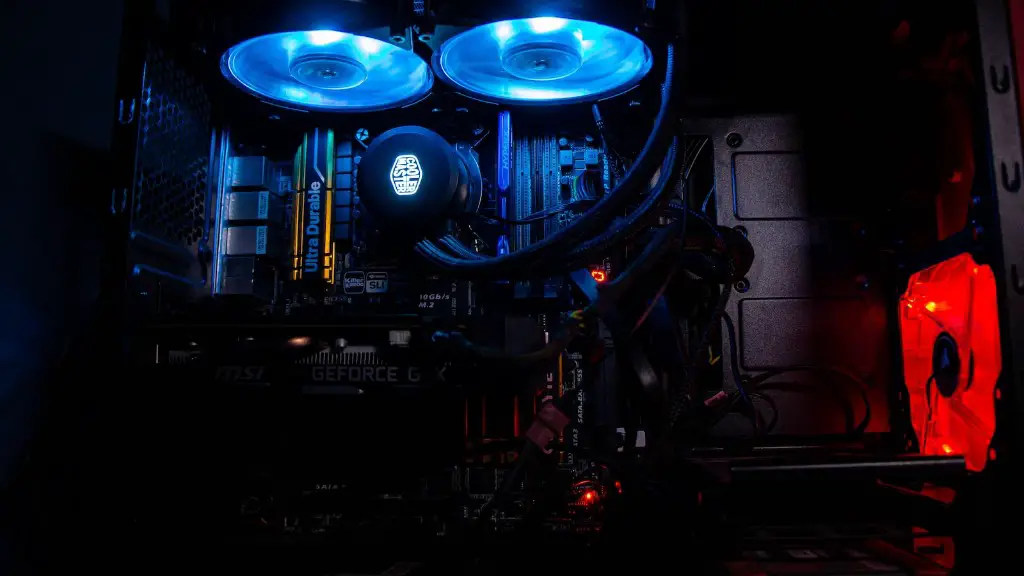
HDR gaming monitors require relatively powerful hardware to make full use of its capabilities. Gaming PCs with powerful graphics cards can make the most out of HDR gaming monitors, but it can be difficult for gaming laptops or mid-end PCs to take full advantage of the higher refresh rates, lower input lag, and other features of HDR gaming monitors.
In addition, some games do not have proper HDR support, which can result in a less-than-ideal gaming experience. HDR monitors need a lot of power to display the highest levels of brightness and vivid colours, so they tend to have higher power requirements than conventional monitors.
Similarly, some HDR gaming monitors suffer from poor sound quality. Some HDR monitors have poor built-in sound systems or no sound system at all, meaning gamers have to purchase an external sound system to get the best audio experience. This can add extra cost to the purchase, on top of the higher cost of the monitor itself.
HDR Gaming Monitor Vs Regular Monitors
When considering whether to choose an HDR gaming monitor or a conventional monitor, there are a few things to take into consideration. The most important thing to consider is the cost. HDR gaming monitors are more expensive than regular monitors, but the added features and better visuals may be worth the extra cost for serious gamers.

HDR gaming monitors also have higher refresh rates and much lower response time, which translates to faster, smoother gaming with minimal input lag. Furthermore, HDR gaming monitors have superior contrast with better colour accuracy and much more vivid colours, making games look incredibly lifelike.
Regular monitors don’t have HDR technology and generally have a less attractive array of colors. They are also limited in the number of refresh rates they can display, and typically have higher response time than HDR gaming monitors. Additionally, regular monitors typically have a narrower viewing angle which can reduce the viewing experience.
Overall, HDR gaming monitors offer significantly more features and superior visuals compared to regular monitors, making them a great investment for serious gamers. They offer a unique experience that can make any game look realistic and immersive, but, like all things, it comes at a cost.
FAQs About HDR Gaming Monitors
What is HDR?>
HDR stands for High Dynamic Range, and it is a technology that provides higher contrast ratios between bright and dark elements on a display. This makes darker elements appear much darker and brighter elements appear much brighter, making images more lifelike.
Are HDR gaming monitors worth it?
HDR gaming monitors are worth the extra cost for serious gamers. They offer significantly better visuals, higher refresh rates, and lower response time, which translates to faster, smoother gameplay with minimal input lag.
What are the risks of HDR gaming monitors?
The main risk of HDR gaming monitors is the cost. They tend to be significantly more expensive than regular monitors. Furthermore, they require powerful hardware to make full use of their features, and some games do not have proper HDR support, which can result in a less-than-ideal gaming experience.
What is the difference between HDR gaming monitors and regular monitors?
HDR gaming monitors offer better visuals, higher refresh rates, and lower response time compared to regular monitors. Regular monitors do not have HDR technology and generally have a less attractive array of colors, lower refresh rates, and higher response time.
