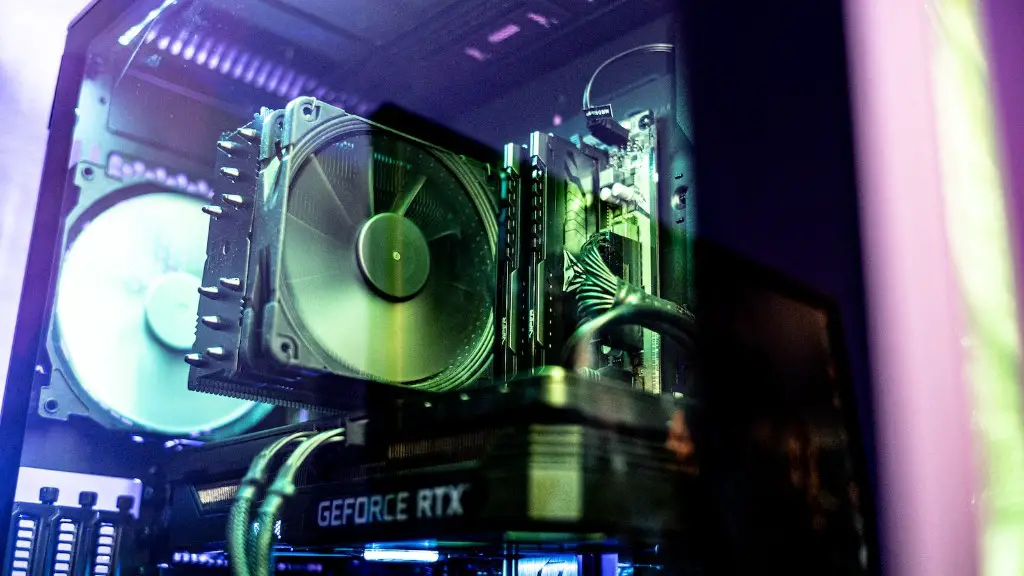
Normal temperatures for gaming PCs are a crucial factor in the longevity, performance and reliability of the machine. It is important to know the ideal temperature of gaming PCs components so that the machine can be operated at its peak performance. The ideal temperature of the CPU, GPU, and chassis should be between 25 to 40 degrees Celsius for optimal gaming performance. Room temperature can have an impact on the normal temperature of the gaming PC components, with higher ambient temperature causing the components to run slightly hotter than normal. Most modern gaming PCs feature cooling systems to regulate temperature and protect the key components of the machine.
The CPU is generally the most heat-sensitive component in the gaming PC, due to its heavy usage. For optimal gaming performance, the CPU should have a temperature of no more than 75 degrees Celsius. With more intensive gaming sessions, the CPU can reach up to 85 degrees Celsius without any significant impact on its performance. To keep your CPU cooler, you can utilize additional fans, liquid cooling systems and fan speed control software.
The GPU is the graphics processor unit of the gaming PC, and is usually the second most heat-sensitive component. The ideal temperature of the GPU should be between 65 to 80 degrees Celsius. With more intensive usage, the GPU can reach even higher temperatures without significantly impacting its performance. You can use fans, liquid cooling systems and fan speed control software to keep your GPU cooler.
Another important component of the gaming PC is its chassis. The chassis of the machine is its outer protective layer, and is generally made of metal. The ideal temperature of the gaming PC chassis should be between 40 to 50 degrees Celsius. Additionally, the chassis should be properly vents for air to flow freely. If the chassis becomes too hot, it can cause the performance of the gaming PC to drop significantly.
In conclusion, the normal temperature of a gaming PC should be between 25 to 40 degrees Celsius, with the CPU temperature no more than 75 degrees Celsius, the GPU temperature no more than 80 degrees Celsius, and the chassis temperature no more than 50 degrees Celsius. In order to maintain these temperatures, gaming PCs should feature adequate cooling systems, fans and fan speed control software.
Cooling System for Gaming PC
Having an effective cooling system for your gaming PC can go a long way in ensuring that all components run safely and at their optimal performance. A good cooling system for a gaming PC will include fans, liquid cooling systems and appropriate case ventilation. Fans are the most common type of cooling system for gaming PCs, as they are relatively cheap and easy to install. For more intensive gaming scenarios, liquid cooling systems can be more effective in dissipating heat faster, as they cool the components more efficiently. Additionally, making sure that the gaming PC has adequate ventilation is also important, as this can reduce the amount of heat buildup within the machine.
Overclocking for Gaming PC
Overclocking is the process of running computer components at higher speeds than they are designed to run, in order to gain a performance boost. While this can be a great way to squeeze out additional performance from your gaming PC, it also comes with a great amount of risk. Overclocking can push the components of the gaming PC to run past their normal temperature range, which can in turn reduce the reliability and lifespan of the components. Therefore, before overclocking your gaming PC, you should be aware of the limits of the components, and make sure that you have an effective cooling system in place that can handle the extra heat.
Power Sources for Gaming PC
Choosing the right power source is also important in keeping the gaming PC running at optimal temperatures. Installing an appropriate power supply for your gaming PC can reduce power consumption and heat generation, as it won’t have to work as hard to keep the components running. Additionally, using a reliable surge protector and uninterruptible power supply (UPS) will ensure that your gaming PC is not damaged by a power surge or outage.
Cleaning and Maintenance Around Gaming PC
Maintaining a clutter-free environment around the gaming PC can also help keep temperatures low. Dust buildup can cause the components to heat up quickly, and fans can get clogged which can lead to inefficient cooling. Therefore, it is important to regularly clean out the fan, chassis and other components of your gaming PC. Additionally, replacing worn-out components of the gamers PC can also keep temperatures low by preventing the machine from having to work harder.
Modification to the Gaming PC
Making modifications to the gaming PC can also be a great way to optimize performance and reduce temperatures. Installing a better motherboard, more efficient coolers, and upgraded thermal paste can reduce temperature significantly. Additionally, installing additional fans and replacing existing fans with more efficient models can also help with cooling the gaming PC.