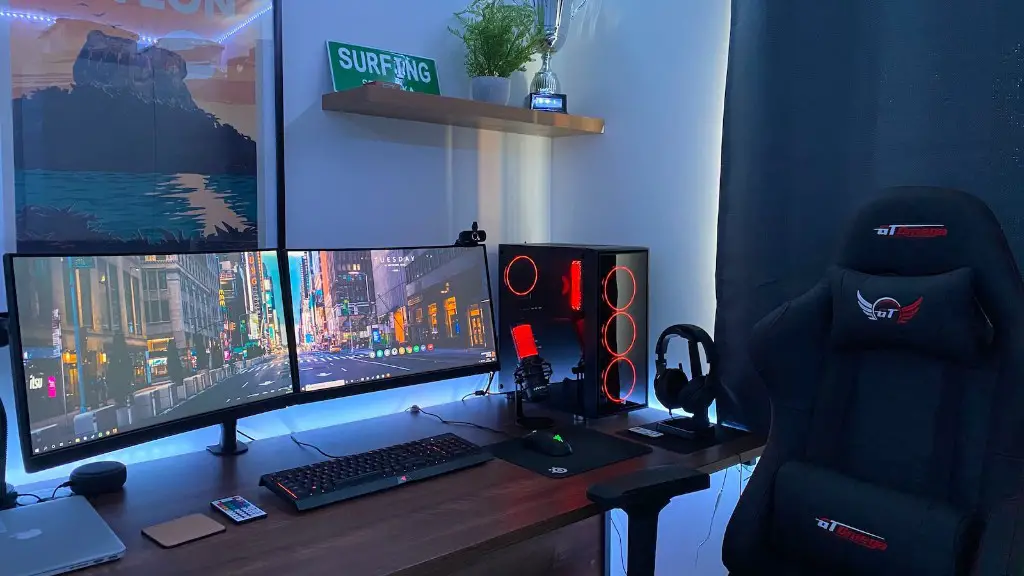
The most obvious question for any potential gamer looking to build a new gaming PC is ‘what is the best gaming PC for the money’? This question is difficult to answer as there are many factors to consider when looking to buy a gaming PC. In this article, we’ll dive into the factors that influence the best gaming PC for the money, and offer some useful advice for those on a budget who want to get the most for their hard-earned cash.
The first factor to consider when looking for a gaming PC is the type of gaming you intend to do. Different types of games will require different specs, and this has a direct impact on the cost. For instance, gaming PCs designed specifically for first-person shooters will require more powerful GPUs and CPUs than those designed for strategy or adventure games. Knowing which type of PC best suits your gaming needs can help narrow down the options.
Another factor to consider is the budget. Ideally, you’ll want to opt for the most cost-effective option that still meets your gaming requirements. The best way to do this is to look at the specs of each PC and then compare prices and features. This will allow you to make an informed decision on the best gaming PC for the money.

A third factor to consider is how much flexibility you need in your gaming PC. If you plan to upgrade the components later on, you will want to invest in a PC with an open-ended architecture and higher quality parts. This should be done with the expectation that you will replace or upgrade components as needed. On the other hand, gamers who are new to the game may want to invest in a lower-end gaming PC with more basic specs, and plan on replacing components as their needs increase.
Of course, any gaming PC needs to be equipped with a high-quality monitor, graphics card, and other accessories. The graphics card is especially important, since it helps dictate the image quality and performance of your game. It’s important to invest in a monitor and graphics card that suits your needs, even if you have to pay extra for them.
Finally, it’s important to think about the warranty offered with the gaming PC. You should opt for a PC with a warranty that covers software, hardware, and labor costs, as this will ensure that you don’t have to pay out of pocket if any problems are encountered. This will help guarantee that you won’t be left with a gaming PC that is completely broken.
What Should You Look for in Components
When selecting a gaming PC, it’s important to focus on the components that will meet your gaming needs. The first component to consider is the processor (CPU). Generally, the higher the clock speed of the CPU, the more powerful the gaming PC will be. Most games will require at least an Intel Core i5 processor, though some more demanding games may require an i7.
The RAM (random access memory) must also be taken into account, as this determines the amount of data the computer can process at one time. Most modern gaming PCs should have at least 8GB of RAM, though 16GB is recommended if you plan to run more demanding games. The more RAM available, the better the performance of the PC.
The graphics card (GPU) is another important component of any gaming PC. It allows your machine to display visuals and process imagery on the screen. It’s important to select a graphics card that is powerful enough to run your chosen games at the highest settings. You should also consider its price-performance ratio, as some graphics cards may be expensive but not offer the best performance for the money.
The storage can also affect gaming performance, as certain games may require a large amount of storage. Generally, a solid state drive is a good option for gaming PCs, as these drives offer faster load times and better performance than a traditional hard disk drive. For most games, a 500GB or 1TB solid state drive should be enough, though more demanding titles may require more.
Finally, most modern gaming PCs require a reliable power supply. This powers all the components in the PC and dictates how much power the machine can draw. For gaming PCs, it’s advisable to invest in a power supply with at least 500W of power, as this will ensure that your hardware components are supplied with sufficient power.
Types of Gaming PCs
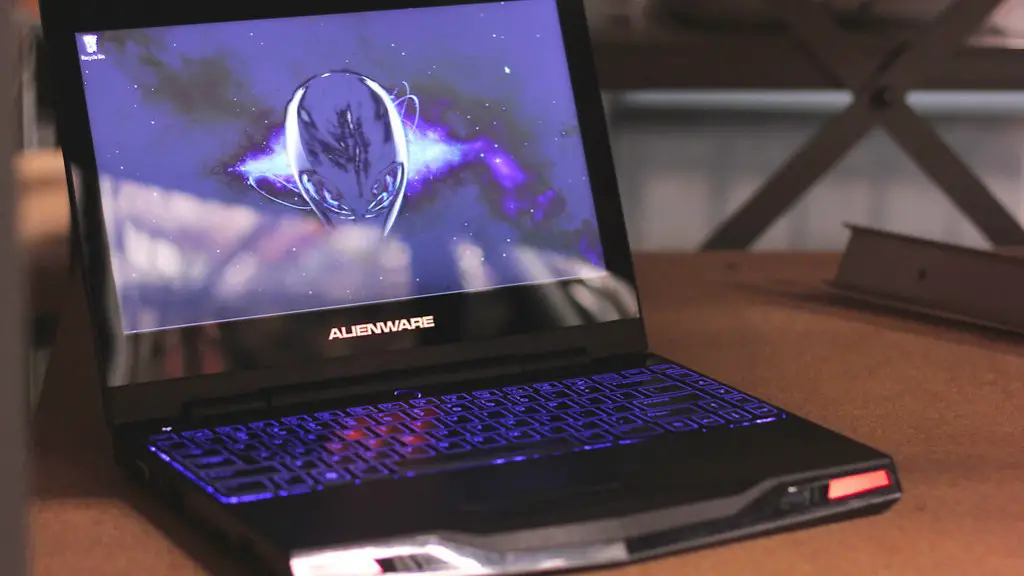
When it comes to finding the best gaming PC for the money, there are two main types to consider. The first is a pre-built gaming PC, which comes with all the components pre-assembled and ready to play. These PCs are relatively affordable and are a good solution for those who want to start gaming right away. However, they often cannot be upgraded as easily as a custom-built PC.
The second type of gaming PC is one that is custom-built. These PCs require more time and effort, as the user must purchase all the components separately and assemble the machine themselves. However, this type of PC offers the user more control over their budget, and can be easily upgraded or replaced over time. This is the best option for gamers who want to ensure they get maximum value for their money.
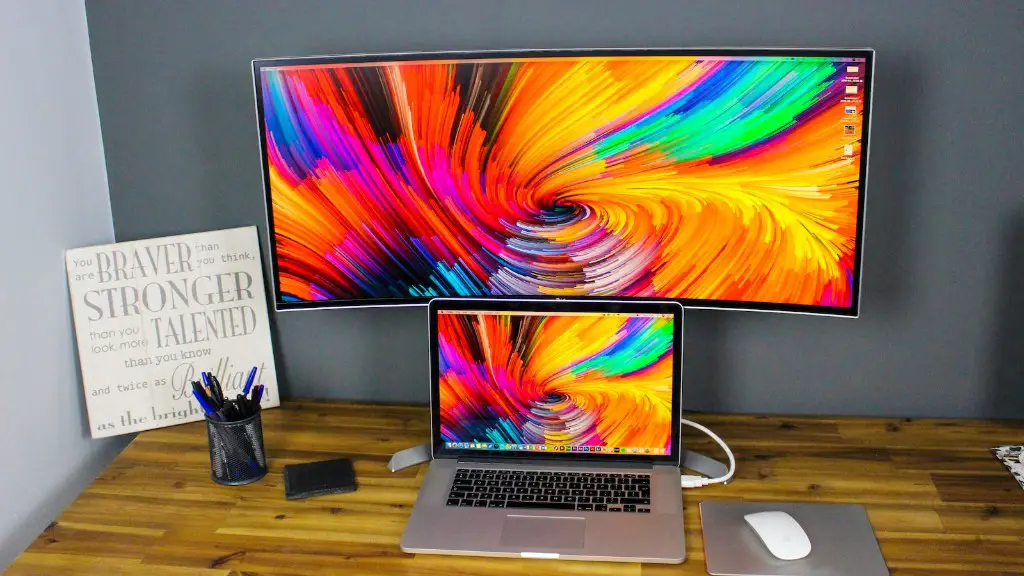
It’s also important to consider the type of display you’ll be using for your gaming PC. Investing in a high-quality monitor is essential for gaming, as it ensures that visuals appear sharp and lifelike. A curved monitor also provides an immersive gaming experience and allows for a wider field of view, making it ideal for first-person shooters and other types of games.
Finally, don’t forget to invest in a good quality gaming mouse and keyboard. A gaming mouse and keyboard will help you enjoy your gaming to the fullest and provide a more comfortable gaming experience. On top of that, the keyboard, mouse, and monitor should all be connected by a proper gaming headset to ensure that sound plays properly and is clear and precise to the listener.
Choose Wisely
Buying a gaming PC can be a daunting task, and it’s important to do your research in order to get the best value for your money. Start by assessing your gaming needs and then focusing on the components that are most important. Once you have a plan, it’s possible to find the ideal gaming PC for your budget if you take the time to compare prices, specs, and features. With careful planning and consideration, you can be confident in your choice of the best gaming PC for the money!
Conduct Research
When choosing the best gaming PC for the money, research can go a long way. Gaming websites and forums can offer great insights on what components provide the best value. Additionally, it’s good to read reviews from gamers who have used the same gaming PC components as you. Reviews from third-party websites can also be helpful, as they can provide an unbiased look at the quality of the products you’re looking at.
When comparing gaming PCs, try to keep your options open if possible. Doing so can help you save money and ensure that you get the most powerful PC for your budget. For instance, some gaming PCs may offer a faster processor, while others may have a better value in terms of RAM or graphics card. Once you have narrowed down your options, you can start comparing features and specs to find the best deal.
Once you have chosen a gaming PC, make sure to purchase any accessories you may need. This includes a gaming mouse, keyboard, and monitor, as well as a headset. These will allow you to have the best gaming experience possible and help you get the most out of your gaming PC.
Know Your Budget
When shopping for a gaming PC, having a budget in mind will go a long way. Knowing how much money you are willing to spend will help you make a more informed decision and allow you to focus on gaming PCs within your price range. Keep in mind, however, that it’s generally better to invest in a more powerful gaming PC at the outset than to opt for a low-end PC, as this will help you avoid the need to upgrade down the line.
Once you have decided on your budget, you can start to shop around for gaming PCs. Be sure to compare specs, features, and prices so that you can determine which PC offers the best value. You should also consider whether or not the gaming PC is worth any additional money you may need to pay for higher quality components and accessories.
Finally, it’s important to take into account any additional costs that may be associated with the gaming PC. This includes any fees for shipping or taxes, as these can quickly add up. Taking the time to look into these costs before purchasing a gaming PC will help ensure that you get the best deal possible.
