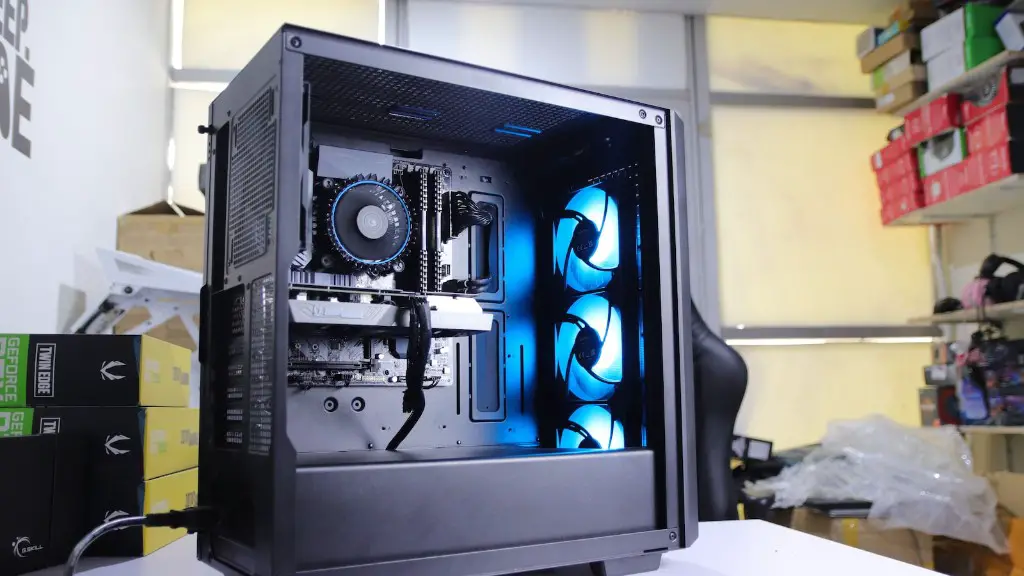
Gaming PCs require a power supply of a certain wattage to work effectively. This ensures that all components get enough power and have enough cables to plug into the motherboard. The recommended power supply for a gaming PC depends on a few factors, such as the type of graphics card, the number of hard drives, and the overall wattage of the PC.
When choosing a power supply for a gaming PC, it’s important to consider the type of graphics card that will be used. If the graphics card requires additional power, then a power supply with 8 pins should be chosen. Additionally, if several hard drives are installed, then a power supply with 10 or 12 pins should be selected to supply enough power for these components.
The wattage for a power supply also plays an important role when it comes to powering a gaming PC. A higher wattage power supply helps provide more power for components, and it also helps protect against any power fluctuations that can occur from time to time. The recommended wattage for a gaming PC can range from 500 watts to 1000 watts, depending on the number and type of components being used.
Another factor to consider is the kind of cooling system that will be used. A larger power supply will require a more efficient cooling system, as it will generate more heat. For example, if a liquid cooling system is being used, then a larger power supply should be chosen to ensure it operates at peak performance.
Finally, the type of connector should be taken into consideration. Most gaming PCs require an ATX or modular style of power supply, so make sure to check the compatibility before selecting a power supply. It’s also important to check the manufacturer’s website for any additional information on connecting the power supply to the motherboard.
Compatibility of Parts with the Power Supply
When building a gaming PC, making sure all parts are compatible with the power supply is essential. Components such as the processor, graphics card, and hard drives should all be compatible with the power supply chosen. This can be easily checked by referring to the manufacturer’s website for compatibility information.
In addition, the power supply should have a sufficient number of cables to accommodate the number of components in the PC. This ensures that all components get the necessary power they need without causing any power fluctuations or damage to the PC.
Lastly, it’s important to check the wattage of the power supply to ensure it is adequate for the number of components in the PC. The recommended wattage for a gaming PC should not be lower than 500 watts, as this can cause components to run slower or not perform as intended.
The Benefits of Going with a Modular Power Supply
A modular power supply can be beneficial for gaming PCs, as it offers several advantages. First, it allows for easy cable management and tidiness to the interior of the PC. This is especially useful for gamers who want to show off the insides of their PC with a windowed case or keep dust from affecting the components.
A modular power supply also offers several customization options, as different cables can be swapped out or replaced easily. This is helpful for those who might find a need for different connectors or cable length in the future.
The main disadvantage of a modular power supply is the cost. They tend to be more expensive than regular power supplies, but the features and flexibility usually make up for this. Additionally, most modular power supplies also come with longer warranties, so there is less of a risk of it failing over time.
The Benefits of Going with a Non-Modular Power Supply

For those that don’t need the extra cable management options of a modular power supply, a non-modular power supply might be the better option. Non-modular power supplies usually cost less and have shorter warranties, but they are simple to install and power up the PC. They are also smaller and lighter than modular power supplies, which can be beneficial when it comes to packing the PC for transport.
In addition, non-modular power supplies tend to be more reliable than modular power supplies, as there are fewer components that can fail. They are also easier to replace, as most models are interchangeable and can be swapped out without having to change the power connectors.
On the other hand, non-modular power supplies don’t offer the same level of flexibility that a modular power supply does. Different cables can’t be swapped out and there isn’t an option for adding extra cables if the need arises. As such, these power supplies are better for those who don’t plan on making many changes to their gaming PC in the future.
Important Factors to Consider with Power Supplies
When selecting a power supply for a gaming PC, there are some important factors to consider. The type of graphics card, the number of hard drives, and the wattage of the PC all need to be taken into account when selecting a power supply. Additionally, making sure all components are compatible with the power supply is also important.
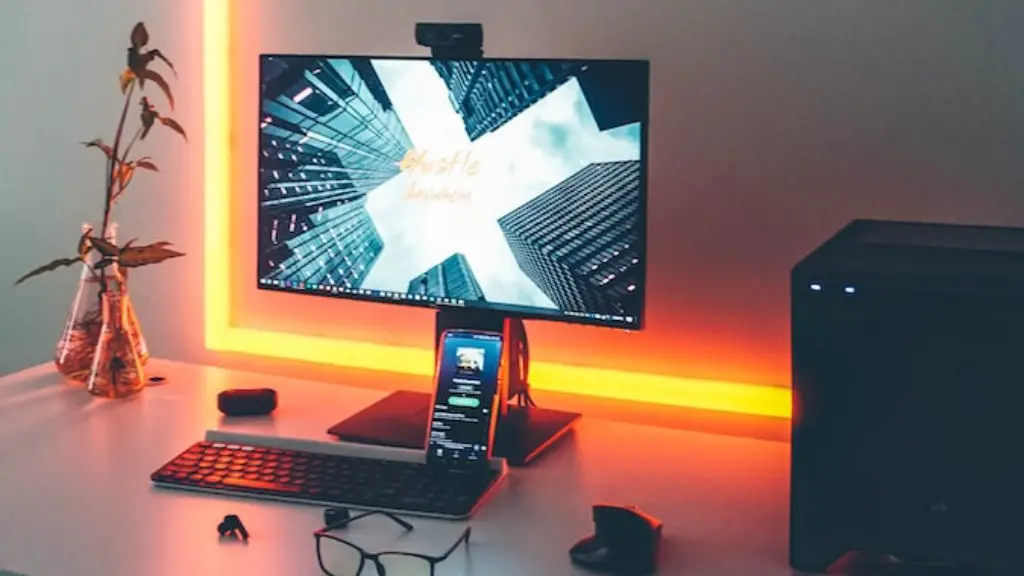
It’s also important to consider whether or not a modular or non-modular power supply is needed. Modular power supplies are more flexible and offer extra cable management options, but they are also more expensive. Non-modular power supplies are simpler to install and are usually more reliable, but they don’t offer the same amount of flexibility.
Overall, selecting a power supply for a gaming PC should involve careful consideration of all the parts and the wattage it will need to provide. Once the right power supply is selected, gamers will be able to enjoy their PC for years to come.
Tips for Installing a Power Supply
Once the power supply has been chosen, it’s important to install it correctly to ensure the safe and efficient operation of the gaming PC. The power supply should be firmly attached to the case and connected to the motherboard with the correct cables.
It’s also important to check the cables for any damage or bent pins before connecting them to the power supply. If any damage is found, the cables should be replaced immediately to prevent any risk of damage to the PC.
Another tip is to make sure the fan on the power supply is facing the right direction. The fan should blow air away from the PC, as having it in the wrong direction can cause it to overheat. Additionally, the fan should be cleaned regularly to ensure the power supply is running at optimal performance.
Lastly, the power supply should be checked regularly to make sure it is receiving enough power and that there are no voltage fluctuations. This can be done easily by referring to the PC’s BIOS or opening the case to visually inspect the power supply.
Conclusion
Selecting the right power supply for a gaming PC is important for getting the most out of the components. The wattage and type of power supply should be chosen carefully, as should the type of cooling system. Additionally, all components should be compatible with the power supply, with enough cables and connectors to support the number of parts in the PC.
Lastly, when it comes to installing the power supply, it should be firmly connected to the case and the cables should be checked for any damage. The fan should also always be facing the right direction and should be cleaned regularly to maintain optimal performance.
