A gaming PC is an essential piece of hardware that every avid gamer needs. It is essential to have a great gaming experience and ensure smooth and lag-free gaming. A gaming PC must perform well and be optimally configured in order to provide the best gaming performance. What makes a gaming PC fast? Here are some components and factors that contribute to a fast gaming PC.
One of the main components of a fast gaming PC is the processor, or CPU. A high-end processor is necessary for a gaming PC to run demanding game titles. Current CPUs use multiple cores, enabling them to process more tasks simultaneously, resulting in a smoother gaming experience. Choosing the best CPU for gaming is essential for a great gaming experience.
Another important component for a gaming PC is a fast GPU, or graphics processing unit. A faster GPU, such as a high-end Nvidia card, will enable the gaming computer to render graphics quickly and smoothly, resulting in a better gaming experience. Dedicated GPUs also help to take the load off of the processor, allowing more resources to be devoted to gaming tasks.
The amount of RAM, or random access memory, also plays a role in the performance of a gaming PC. RAM enables the gaming PC to store data quickly and access it with minimal delay. More RAM will help to ensure that the gaming PC runs smoothly and can handle large game titles without any lag or stuttering.
The type of storage device the gaming PC uses is also important. Traditional hard drives are slower than solid-state drives (SSDs), making them less suitable for gaming. An SSD can offer faster loading times, allowing the gaming PC to access data more quickly.
The last component that contributes to a fast gaming PC is the power supply, or PSU. The PSU is responsible for supplying the gaming PC with enough power to run all of its components. Having an underpowered PSU can cause performance and stability issues with the gaming PC, so it is important to choose the right one for the gaming PC.
In conclusion, having the right components and configuring them properly are essential for building a gaming PC that will be fast and reliable. A gaming PC needs a high-end processor, a fast GPU, adequate RAM and storage, and a powerful PSU in order to provide the best gaming performance.
What Makes A Gaming PC Perform Well?
The components and configuration of a gaming PC can have a large impact on its performance and the gaming experience. A high-end processor, a fast GPU, adequate RAM, and the right storage device can help ensure the gaming PC performs well. Additionally, configuring the components and settings correctly is critical to an optimal gaming experience.
Proper cooling solutions should also be taken into consideration when building a gaming PC. Heat is a major issue for gaming PCs and having proper cooling can help prevent components from overheating and can result in improved performance. Investing in a quality cooling solution and making sure all components are properly cooled will help keep the gaming PC performing well.
Another factor that affects gaming performance is the amount of available storage. Having enough storage space will ensure the gaming PC can store all of its game files and that game installations won’t be interrupted due to lack of space. Investing in a fast and high-capacity storage device can work wonders for the gaming PC’s performance.
Keeping the gaming PC’s software up to date can also help ensure it runs as smoothly as possible. Outdated drivers, games, and software can lead to various performance and stability issues, so it is important to ensure the gaming PC is up to date. Updating games and software regularly can help ensure they run optimally on the gaming PC.
Lastly, a good network connection can also go a long way. A fast and stable internet connection enabled the gaming PC to access data quickly and can improve the gaming experience. Additionally, having a good network connection can also help reduce latency, allowing for smooth and lag-free gaming.
Improving Performance With Proper Components
Having the right components can help improve the performance of a gaming PC significantly. Investing in a quality processor and GPU can help ensure the gaming PC has the necessary power to run demanding game titles with ease. Additionally, choosing the right type of storage device, such as an SSD, can help make the gaming PC faster. RAM also plays an important role, and having enough of it can help ensure the gaming PC can handle large game files and run games smoothly.
Another important factor for the gaming PC’s performance is choosing the right components for its cooling system. Investing in a quality AIO cooler or air cooler will help keep the gaming PC cool during intense gaming sessions. Thermal paste should also be applied properly, as it helps improve the contact between the CPU and the CPU cooler, helping to further improve performance.
Having the right power supply is also essential for a gaming PC. Many components in the gaming PC will require a lot of power, and an inadequate PSU can prevent these components from performing properly. Investing in a quality PSU that is properly rated for the gaming PC’s components is essential for optimal performance.
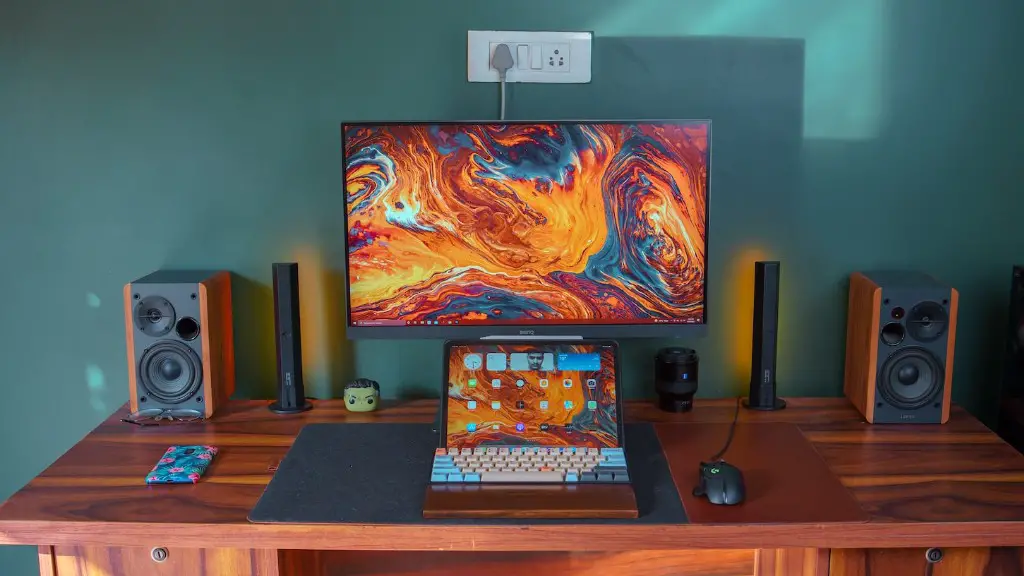
Lastly, the gaming PC’s case should be taken into consideration. Having a well-ventilated case can help the components remain cooler and ensure proper airflow. Additionally, a quality case can also help with cable management, as neat and organized cables can help improve airflow and ensure the gaming PC performs optimally.
Optimizing The Gaming PC’s Settings For Performance
The settings of a gaming PC can have a large impact on its performance, so it is important to optimize them correctly. Disabling unnecessary processes and services can help the gaming PC operate more efficiently, as services that are not needed can consume resources. Closing unused applications can also help free up available resources for the gaming PC.
Game-specific settings should also be considered when optimizing a gaming PC for performance. For example, reducing the game’s resolution, turning down the graphics settings, and disabling certain graphical effects can help increase the gaming PC’s performance and improve the gaming experience.
Overclocking can also help improve the gaming PC’s performance, but it can have a negative impact on the stability and reliability of the components. It is important to research the parts before attempting to overclock and to use the right tools and settings. Additionally, checking the temperatures regularly is also essential, as too much heat can lead to performance and reliability issues.
Additionally, having a good antivirus solution installed can help keep the gaming PC secure and running at optimal performance. Malware can eat up considerable amounts of resources, and it can also potentially damage the files and data stored on the PC. A quality antivirus can help keep the gaming PC secure and can prevent performance-related issues.
Updating The Gaming PC Periodically For Performance
Updates are an important part of keeping the gaming PC running smoothly, so it is important to keep it updated regularly. Gaming PCs should be updated with the latest drivers, operating systems, and security patches. Additionally, updating game titles is also important, as outdated game titles can lead to various performance issues. Software and utilities should also be updated regularly to ensure they are functioning properly.
Defragging the gaming PC can also help improve its performance. Defragging the files and hard drive can reorganize them and make them easier to access. This can speed up the access time and help to improve the performance of the gaming PC. It is also important to clear out any unused programs, as these can consume resources and cause lag.
Additionally, keeping an eye on the gaming PC’s hardware temperatures is also important. Heat can cause components to perform slower or even fail, and having proper cooling solutions can help prevent this. Having good ventilation in the PC’s case can also help with cooling, and checking the temperatures regularly can help ensure the gaming PC is running optimally.
In conclusion, having the right components and configuring them correctly are important for a gaming PC to run smoothly and perform optimally. Keeping the gaming PC updated, optimizing its settings, and making sure it is properly cooled can also help improve its performance. Investing in the right components and taking care of the gaming PC regularly can help ensure it runs at optimal performance.
