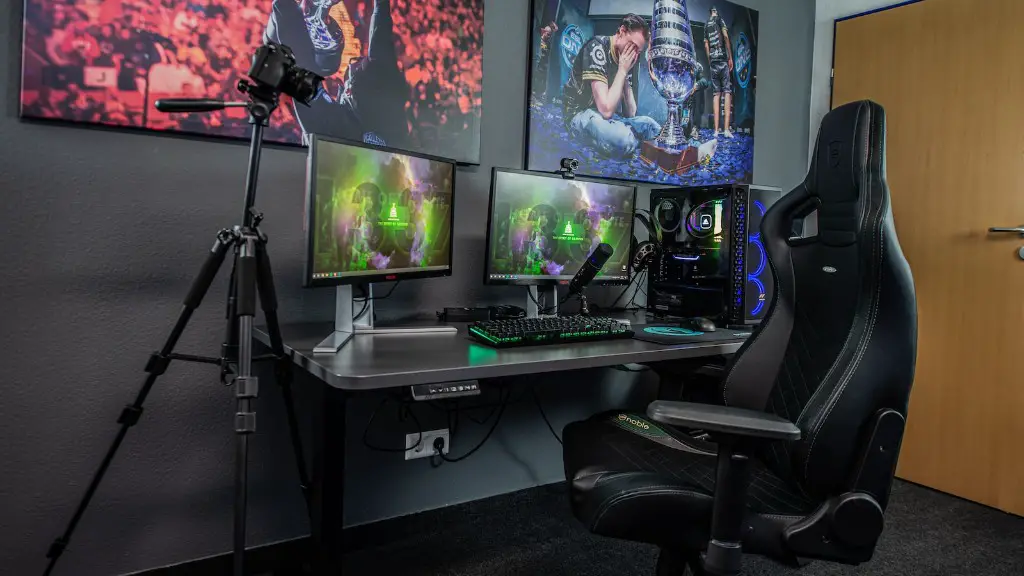
Building a gaming PC isn’t as hard as you think it is. All you need to know is which parts to get for a good gaming computer that’ll last you for years. In this article, we’ll discuss what parts you need to get for a gaming PC that can handle the most demanding of games.
First off, you need to get a good motherboard that can support your other components. Get a motherboard that’s compatible with your other parts and can handle their performance. It’s also important to make sure the motherboard can support the type of CPU you’re looking for, as well as any potential upgrades to that CPU.
Next, you’ll need to choose a CPU. It’s best to stay away from certain models of CPUs (like AMD Threadripper) as they may cause compatibility issues with certain other components. A good choice is Intel’s latest 8th/9th generation processors, as they are powerful enough to handle your gaming needs and allow room for future upgrades.
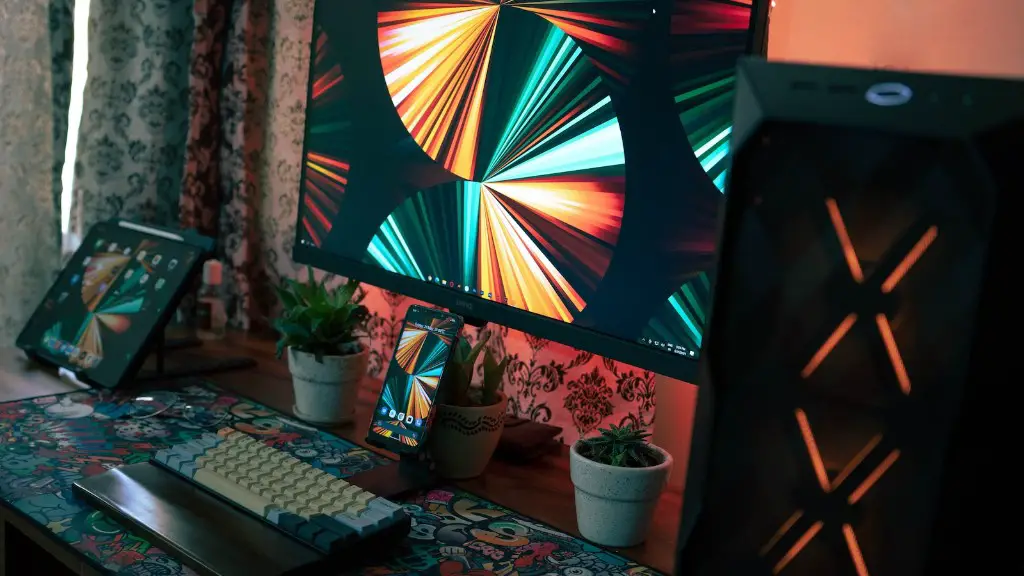
You’ll also have to decide whether you want to get an integrated graphics card or not. Integrated graphics cards are usually enough for casual gamers, but those looking for more graphic intensive gameplay should invest in a dedicated GPU. Choose a powerful GPU, such as a GTX 1080, that can support the type of games you want to play.
Now comes the RAM. 8GB of RAM is the minimum to run a gaming PC, although 16 is recommended if you plan on using more than one program at a time. Go with a DDR4 RAM because it’s much faster than DDR3.
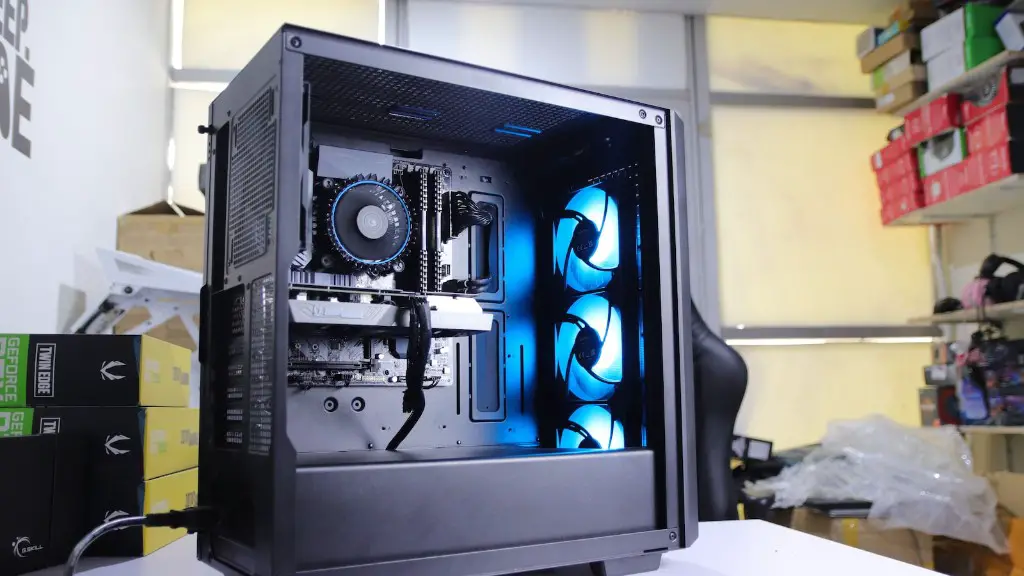
Your PC will also need a storage solution, which is typically either a hard drive or an SSD. It’s usually a good idea to get both, as an SSD is much faster and can store your most frequently used programs and games, while a hard drive can store a lot more data and be used for archiving. Also, a fast gaming PC won’t be complete without a good cooling system, so get a reliable fan or cooling system for your case.
Finally, you should get a reliable power supply for your gaming PC. Choose a good and reliable brand that can support all your components, as well as any future upgrades that you may make.
What GPUs To Get For Gaming PC
Graphics processing units (GPUs) are one of the most important components of any gaming PC. GPUs are the main components responsible for rendering graphics on the screen, and they determine how smoothly and quickly everything is rendered. There are a few different types of GPUs to choose from. The most popular ones being Nvidia and AMD Radeon GPUs. Both of these two companies have a wide range of GPUs to choose from, so it’s best to research your options before committing to one.
When it comes to Nvidia GPUs, the current top of the line is the RTX 2080 Ti. This card has 4,352 CUDA cores and is capable of running the most demanding games at maximum settings. It’s also one of the most expensive GPUs on the market, so it’s best to reserve it for only those who have the money to spend and need the most powerful GPU available.
For those looking for something a bit more budget-friendly, the GTX 1050 and GTX 1060 are great options. These cards are less powerful than the RTX 2080 Ti but can still run most games at decent settings. They also come at a much lower price and are great for those who want to play their favorite games without breaking the bank.
For AMD, the Radeon RX 560 and RX 580 are great choices. Both cards can handle the latest games, albeit at lower settings and frame rates than the Nvidia GPUs mentioned above. They also come at a much more affordable price tag, making them great budget options.

Finally, there is the Vega 56 and Vega 64. These cards are extremely powerful and can also run the latest AAA titles, albeit at lower settings and lower frame rates than the GTX 10 series. However, they are capable of producing better visuals than the GTX 10 series, making them great options for those who want to squeeze out better graphical fidelity from their games.
What Motherboard To Get For A Gaming PC
Another important component of any gaming system is the motherboard. The motherboard determines which components can be used and how they interact with each other. Choosing a quality motherboard that is compatible with your other components is essential for a stable gaming PC. Some of the best motherboards for gaming PCs are the ASUS ROG Maximus, MSI Z370 Gaming Pro Carbon, and Gigabyte Z370 Aorus Gaming 3.
The ASUS ROG Maximus is one of the most popular motherboards for gaming. It has 6 SATA ports and 2 M.2 slots, making it great for storage expansion. It also has a beefy power phase design, dual ethernet ports, and even supports Liquid Cooling.
The MSI Z370 Gaming Pro Carbon is another popular option. It has a great VRM design, large heatsinks, and is able to support 6000 MHz memory speed. It also has an overclocking friendly design, allowing you to get more performance out of your components.
The Gigabyte Z370 Aorus Gaming 3 is an affordable option that still offers great features. It supports dual GPU setups and features USB 3.1 Gen2 Type-A and Type-C ports. It also has the AMD Crossfire technology, enabling you to pair two of the same GPU’s for enhanced performance.
Choosing the right motherboard is essential for a gaming PC. You should consider your budget, usage, and other components to make sure you get the best motherboard for your gaming rig.
What CPU Should I Get For Gaming
Another important component for a gaming PC is the CPU. Choosing the right CPU will be determined by your budget and needs. If you’re looking for a gaming PC that can handle AAA titles, then an Intel i5 or i7 is your best bet. These CPUs are powerful enough to run the games that you want and have enough headroom for future upgrades.
If you’re looking for a more budget-friendly CPU, then an Intel Pentium or AMD Ryzen is the way to go. These CPUs are powerful enough to handle most games but won’t be able to run the more demanding games quite as well as the i5 or i7.
Finally, if you’re looking for a cheap but powerful CPU, then an AMD Ryzen APU is the way to go. These CPUs have built-in integrated graphics, which can be used to play games if you don’t have the money to invest in a dedicated GPU. Although, these are limited and won’t be able to run the most demanding of titles.
Overall, choosing the right CPU comes down to performance, budget, and future upgradeability. Consider your gaming needs and budget and choose a CPU that fits them.
What Storage Should I Get For Gaming Pc
The storage for your gaming PC is equally important. You will need a lot of storage for games and other software, and you have a few options when it comes to storage solutions. The most popular choice is the traditional hard drives, which can come in either 3.5” or 2.5” sizes. A 3.5” hard drive is generally faster and more reliable than a 2.5” drive, but also takes up more space.
You can also get a solid state drive(SSD). SSDs are much faster than hard drives and can drastically improve your boot times and load times in games. However, they are much more expensive than hard drives, so it’s best to only get an SSD if you have the money to spare and you need the speed.
It’s also important to get a good quality storage drive. Go for name brand models that have good customer reviews and are backed by reliable warranties. You should also consider storage capacity, as you will need enough room for all your games and software.
Finally, you should get an external drive if you plan on transferring large files often or if you need a reliable backup solution. External hard drives are reliable and portable, making them great for collaboration and data backups.
What Power Supply Should I Get For Gaming
The power supply is one component that you shouldn’t skimp on. A poor quality power supply can affect the performance of your gaming PC and can even cause permanent damage to your components. Invest in a reliable brand that has good customer reviews and a good warranty. Choose one with enough wattage to power all your components, as well as any potential future upgrades.
You should also consider the number of available slots for power connectors. Make sure the power supply has enough slots to power all your components. Some higher-end power supplies also have features such as fan speed control and overvoltage protection, so make sure you check for these features when choosing a power supply.
Finally, you should consider the efficiency rating of the power supply. The higher the efficiency rating, the less electricity it will draw from the wall to run your components. This can lead to lower electricity bills and less carbon emissions.
Your power supply is an essential component of your gaming PC. Make sure you invest in a reliable and high quality power supply that can handle the load of all your components. Don’t skimp on the power supply, as it can greatly affect the performance of your PC.
