When it comes to gaming, a gaming monitor is one of the most important components. Choosing the right size gaming monitor is essential for providing a great gaming experience, so it’s important to know what size is best for you. Here are some tips on how to choose the perfect size monitor for your gaming needs.
The size of your monitor will depend on where you plan to use it. If you want to game on a large 4K TV, you’ll need a larger monitor than if you are playing on a smaller laptop or tablet. Consider your budget and the resolution you need when making your choice.
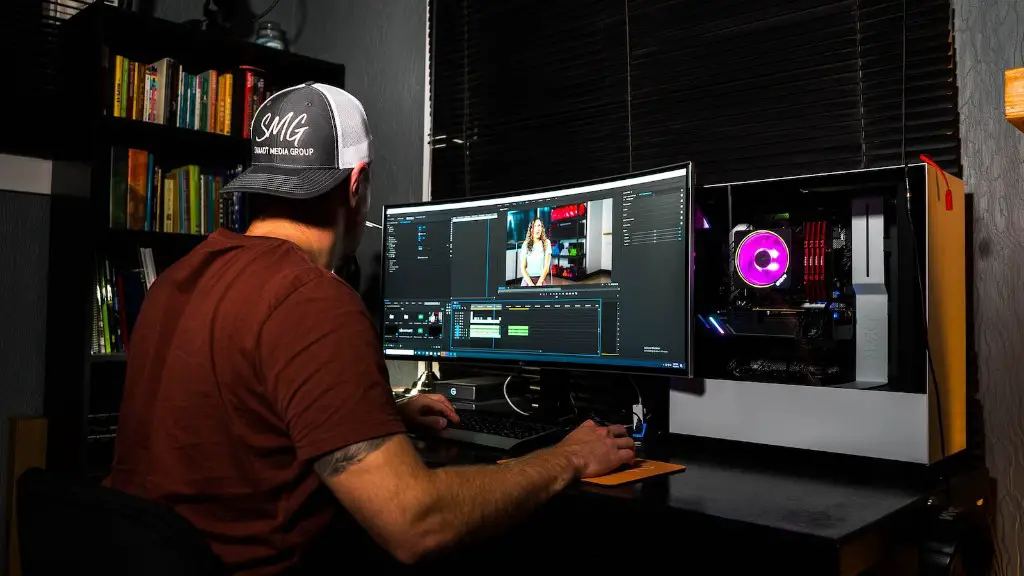
When it comes to the actual size of the monitor, the most popular sizes are 24, 27 and 34 inches. The 24-inch monitor is ideal for gaming in a confined space, while the 27-inch option is great for larger rooms. For an immersive experience, the 34-inch monitor is the best choice.
When choosing your display resolution, opt for a higher option. 1080p is the minimum resolution for gaming, but many modern gaming monitors now offer 4K resolution or even a 5K resolution. Higher resolutions will give you a smoother gaming experience, but the higher resolution will require a more powerful GPU.
For most gamers, a 60Hz refresh rate is adequate. However, if you want a smoother experience, you should look at a higher refresh rate of 144Hz or even 240Hz. While a higher refresh rate will cost more, it is worth it if you want to get the most out of your gaming experience.
Finally, make sure that the monitor has enough ports to support all of your gaming peripherals. Look for HDMI, DisplayPort and USB ports, depending on your needs. If you need multiple monitors, look for a monitor that has multiple video inputs so you can connect them all at once.
Screen Size
When it comes to choosing the right size for your gaming monitor, there are a few important factors you should consider. The size of the monitor will determine how much immersion you get when gaming, and the expected resolution of the game you intend to play will also play an important role in determining the size of your monitor.
The standard gaming monitors on the market today come in sizes ranging from 24 to 34-inches. Depending on the size of the room in which you plan to use the monitor and its corresponding gaming setup, you can choose the monitor size that corresponds with your needs. With monitor sizes larger than 24-inches, you can enter a world of immersive gaming, however, this will come at the expense of more desk space.
The 24-inch gaming monitor is great for those who want to enjoy heighten colors and the gaming experience but are hesitant of larger screens such as those in the 27-inch range and above. This size is perfect for gaming on a budget and if you don’t plan on immersing yourself in gaming anytime soon, this size should be your choice.
For those who plan to game long-term and use their monitor in a room with plenty of space, the 27-inch and 34-inch monitors should be the first choice. These monitors provide an immersive gaming experience without compromising too much of your desk space.
Finally, curved gaming monitors are a great option for those seeking a more enhanced experience. The wrap-around design allows for improved contrast, images, and color reproduction while also reducing the strain on your eyes. That said, if you’re short on desk space, it’s best to stick with standard (non-curved) monitors.
Display Resolution

When it comes to gaming,Display resolution plays an important role in deciding your gaming monitor size. If you opt for a low resolution monitor, it is likely that graphics and textures for modern games will appear pixelated due to lack of clarity and sharpness. However, if you plan to game on a higher resolution, then larger monitor sizes are a good option.
Most gaming monitors today come with resolutions of 1080p (Full HD) or 1440p (QHD). Depending on your budget and the types of games you plan to play, you can opt for the resolution that best suits your needs.
For those who plan on gaming at 1080p, most monitors in the 24 to 27-inch range should suffice. Larger monitors such as those in the 34-inch range may be overkill in this case and could cost you an unnecessary amount of money.
On the other hand, if you want to enjoy an immersive experience at 1080p, you can opt for a larger monitor. This is particularly recommended if you plan on playing games with higher textures or those that come with a cinematic effect or replay-ability. For these types of games, a larger monitor will help you get the most out of your experience.
If you have the budget and plan on playing games at higher resolutions, the 27-inch and 34-inch monitors are your best bet. A resolution of 1440p or higher will require a high power CPU and GPU, so keep this in mind before you decide on the resolution and size of your monitor.
Refresh Rate
Another important aspect to consider when choosing a gaming monitor is the refresh rate. This is the amount of times a monitor displays an image in one second, measured in Hertz (Hz). The higher the refresh rate, the smoother the gaming experience will be.
Most affordable gaming monitors come with a refresh rate of 60Hz, which is adequate for most gamers. However, if you want to get the most out of your gaming experience, then you should look for a monitor with a higher refresh rate such as 144Hz or 240Hz.
To get the most out of a higher refresh rate monitor, you should also opt for a monitor with a high response time. This will help to reduce motion blur and improve input lag.
Keep in mind that higher refresh rates and faster response times will come at an additional cost. That said, if you can afford the extra cash, 240Hz refresh rates and 1ms response times are worth it if you want to enjoy a smooth gaming experience with minimal motion blur.
Ports
When it comes to choosing a monitor for gaming, you should also think about the ports that are available on the device. Your monitor should have the appropriate ports for your gaming peripherals such as headsets, USBs, mice, and keyboards. Most gaming monitors will have at least one HDMI, DisplayPort, and USB port.
For those who use multiple monitors, look for a monitor that has multiple video inputs. This will allow you to connect all of your monitors at once without the need for extra adapters. It is also a good idea to check the available ports on your Graphics Processing Unit (GPU) to make sure that you have enough ports for all your monitors.
Finally, if you plan on taking your gaming monitor on the go, opt for monitors with USB-C ports. Not only will they provide you with extra peripherals ports that can be used to charge your devices, but they will also allow you to connect directly to a laptop or tablet.
Connectivity
When choosing a gaming monitor, you should also consider the type of connectivity it offers. The most popular connectivity options are DisplayPort, HDMI, and USB. Depending on the type of monitor you get, most will offer one or more of these connections.
DisplayPort is the most common type of connection found on gaming monitors, and it offers a great advantage over other connections such as HDMI. It supports higher resolutions than HDMI and offers superior image quality. Make sure that you check for this connection if your graphics card has it.
HDMI is also a popular connection found on gaming monitors, and is usually used to connect your monitor to other peripherals such as game consoles, set top boxes and Blu-Ray players. While it is capable of supporting higher resolutions, it is best to stick with DisplayPort if possible.
Finally, USB is commonly found on many gaming monitors due to its versatility. It allows you to connect accessories such as mice and keyboards, as well as other devices such as external storage or a camera. Look for monitors that offer both USB 2.0 and USB 3.0 ports for better device compatibility.
Summary
Choosing the right size gaming monitor is essential to getting the most out of your gaming experience. For most players, a 24 to 27-inch monitor should be more than enough. However, larger monitors such as those in the 34-inch range provide the ultimate gaming experience. When it comes to resolution and refresh rate, opt for higher options if you can afford it, and make sure your monitor has enough ports to support all of your gaming peripherals.