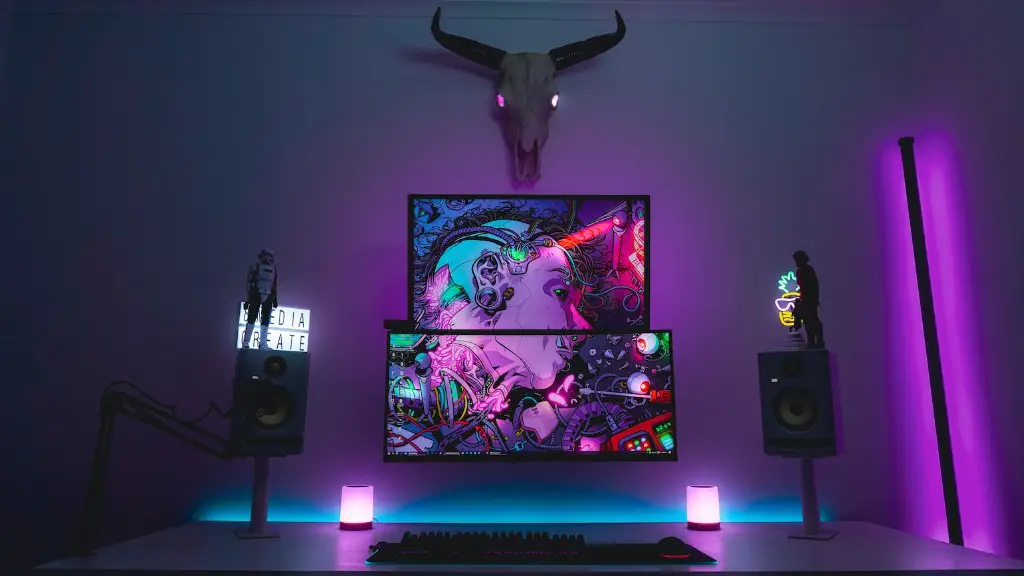
So, what’s the most important factor when constructing a gaming PC? Well, the power supply. Choosing the right size power supply is essential for a gaming PC build and should be based on your needs and potential future needs. Let’s look at some tips to help decide on what size of a power supply one should select.
First, it’s important to evaluate your components, the more energy demanding components will require a larger power supply. Nowadays, most modern components don’t need as much power as they used to, although graphics cards do draw a lot of power.
It’s important to be honest with yourself on how powerful of a rig you’re wanting to build. If you’re looking to create a gaming powerhouse that can run the latest and greatest games, a larger power supply may be needed. On the other hand, if you’re solely gaming then a smaller power supply could be ample.

Don’t take for granted the importance of choosing the right size power supply. Too large of a power supply and you’d be wasting money yet too small and the components won’t upscale and run efficiently. Consistently monitor your wattage used from the power meter so as to not overwork the power supply.
Getting a power supply with a higher wattage than estimated is also recommended, this leaves room for more powerful upgrades to be made in the future. PSU’s are relatively inexpensive and have a huge bearing on the longevity of the PC.
A general rule to go by is to buy a power supply that is at least 80% of the total wattage you calculated. This will create a bit of headroom, resulting in a better long-term performance.
It’s always prudent to buy the best and most reliable power supply as possible, as they reduce strain on the system as a whole and allow it to run at its best, helping to ensure a long life expectancy.
Graphics Card and Power Supply

When selecting a power supply, a key factor to consider is your graphics card and how much power it uses. Most recent graphics cards require much more power than their predecessors, and many require two 8 pin power connectors for additional juice. This must be taken into account when selecting the size of power supply.
Moreover, cards now come with an option for overclocking – where the user can adjust the processing speed to consume more power, yet with higher results. If you’re considering this option, it’s important to incorporate the additional power consumption with the overall usage to ensure your power supply can handle it.
It’s always beneficial to go with a card that has enough power, yet not too much that it consumes more energy than you need, increasing the cost of running the PC overall.
Number of Components
The more components you add to a gaming PC, the more power can be used. For example, if a PC has multiple hard drives and an optical drive, it will require more power than one with just a single SSD and no optical drive. Keeping power consumption in mind when considering components is essential.
Also, if buying older components there may be a need for additional watts, as power consumption requirements may have been different then compared to now. The older components might not meet the energy demands of modern ones, thus increasing the overall power consumption.
At the end of the day, it’s important to think carefully about what sort of components you’re looking to include, or if overclocking is a priority, as it can all help determine what size of a power supply is necessary.
Power Supply Efficiency Ratings
Finally, when buying a power supply, it’s important to check the efficiency ratings as these certify how well a power supply can convert the electricity into power for the components. Contracts are available for gold and platinum efficiency ratings, the former being more efficient than the latter.
Lower efficiency power supplies will waste more electricity and generate more heat, potentially reducing the life of other components in the process.
It’s also sensible to look for additional features such as large fan for cooling. In this way, the power supply will not have to use too much energy cooling down and can instead focus on producing enough energy to meet demands.
Conclusion
Choosing the right size power supply can sometimes be overwhelming due to the sheer amount of components available these days and the various wattages they require. When selecting a power supply, it’s essential to assess the components, their wattage and decide whether or not you will be overclocking in the future.
Having an 80% headroom is also advisable, if space and budget permit, as it can make for more efficient upgrades. Moreover, being mindful of the Efficiency Ratings and additional features of the power supply is key for selecting the most suitable for your gaming PC.
