When building a gaming PC, many gamers find themselves asking “what size tower do I need?” Rather than just picking one at random, there’s a few factors to consider when deciding which size tower is best for your system.
Firstly, case size is impacted by the components inside. If you’re planning a generously-sized system with multiple large graphics cards, numerous drives and more, you’ll need a bigger tower to accommodate it all. On the other hand, if you’re going for a more compact build, you may find that a small or medium-sized case is all you need.
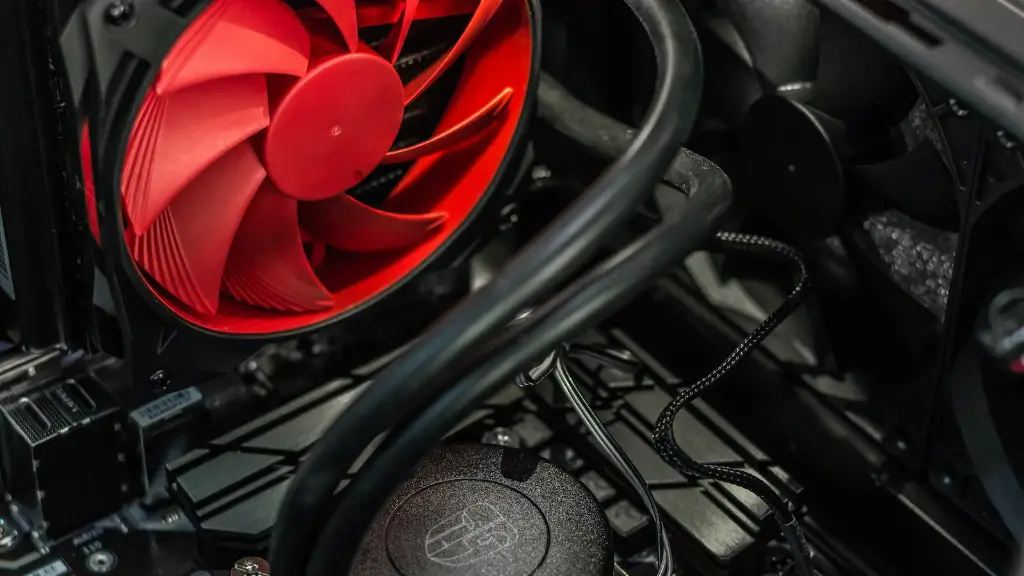
Another factor to consider is airflow. Clearly, the larger your case, the more room you have to fit a powerful CPU cooler, multiple case fans and even liquid cooling solutions.It’s worth noting that some small form-factor cases are actually very well-ventilated and can accommodate powerful hardware, so it’s still worth researching all of your options.
Finally, you should consider how much expansion you may need in future. If you’re constantly upgrading or adding peripherals, then a larger case will allow you to do so. Conversely, those who prefer to buy components that will last will find a medium or small case more than sufficient.
Build Requirements for a Gaming PC
When building a gaming PC, there are various components to consider. At the very least, you’ll need a motherboard, a CPU, memory, a power supply, and a graphics card. For example, if you’re planning to build a cutting-edge gaming PC, you’ll need a powerful graphics card with at least 4GB of VRAM. This will require a beefy power supply, so you’ll need more case space to accommodate it.
In addition to the mandatory components, you’ll also need peripheral components such as storage. Solid-state drives (SSDs) are an excellent choice for loading times, and you’ll need enough space to mount two or even three of them. Also, if you’re into overclocking, water-cooling solutions are an excellent choice and they can take up a fair bit of case space too.
Finally, if you’re into customization, you’ll also want to factor in extra room for RGB lighting systems, sound systems and other tweaks. All of this requires ample room for wires, so clearly a larger case will accommodate your needs.
Price Differences Between Tower Sizes

When it comes to case prices, the size you choose will have a big impact on your budget. For example, mini-ITX cases can be quite inexpensive, so you can build a great gaming PC without breaking the bank. Mid-tower cases are also relatively affordable and can accommodate powerful hardware. Full tower cases, on the other hand, can be quite costly, but are excellent for ambitious builds.
Ultimately, you shouldn’t focus solely on case price when choosing a tower size. Instead, you should take into account all the hardware you’re planning to put in your system and pick a tower accordingly. If your build is simple and you don’t need extra features or expansion, you can go with a mini-ITX or mid-tower case, while larger builds will require you to opt for a full tower.
Important Specifications to Consider
When shopping for a tower, there are several key specifications you’ll need to take into account. Firstly, double-check the case size and make sure that it can accommodate all of your components. Secondly, check the number of expansion slots and drives bays it offers and make sure these match with your components. Thirdly, check that the case is compatible with your motherboard and/or graphics card. And finally, ensure there’s enough cooling for your system.
It’s also important to examine the build quality of the case. After all, you don’t want to settle for something that is poorly made and liable to break with a single accident. Plastics, metals and other materials tend to vary in quality, so be sure to read plenty of reviews and make sure they are well-sealed to eliminate dust and debris.

One other factor to consider is the visual look of the case. If you’re into tasteful aesthetics, opt for minimalist designs with few external components. Or, if you’re looking for a truly unique statement, select a tower with an interesting finish, including glass panels, RGB lighting, unique hard drives and more.
What About Pre-Built Systems?
Pre-built gaming PCs already come with a tower, so in many cases, you don’t have to worry about case selection at all. Of course, it’s worth checking the size of the tower before you make a purchase. Meanwhile, if you’re planning to customize the pre-built tower, you’ll still need to look for a new case that’s compatible with your chosen components.
When evaluating a pre-built gaming PC, you should also look at the cooling system. Are there any fans? Is there adequate ventilation? Are liquid-cooled solutions an option? Because towers come in all sorts of shapes, sizes and power levels, you’ll need to be sure that the pre-built system you select can handle the hardware you have planned for it.
Finally, make sure that the pre-built option you choose is reliable and comes with a generous warranty. After all, you don’t want your system to suddenly fail after a few months, and you’ll need to be sure that the case you select offers enough protection for all your components.
Factors to Consider When Moving a PC
If you need to move your PC from one place to another, you’ll want to make sure that the tower you select is suitable for the job. Obviously, it needs to offer enough room for all your components and come with rubberized feet to protect against shaking and vibration. If the tower is large and difficult to move, look for handles and other features that make transport easier.
It’s also important to look for a case that comes with removable bay covers. This enables you to quickly remove the covers if you need to access the port area to connect extra components or cables. Other features such as dust filters and noise dampening foams can also make your travel experience easier. Finally, make sure the case you choose is light enough for you to carry and is tough enough to survive any wear and tear.
Conclusion
Selecting the right PC case size for a gaming PC is an essential part of the build process. While large towers might be best for ambitious builds, you should look for smaller towers if you’re focused on attaining portability and efficient cooling. Before you make a purchase, make sure that you research the components you have planned for your system, the airflow requirements and the extra features you’re looking for.