
Performance
A laptop for gaming, should be among the highest-performing models available for purchase. This means selecting a model with a powerful processor and plenty of memory, as well as plenty of room for expansion. For most gamers, an Intel i7 or i9 processor and 8 or 16GB of RAM is usually sufficient for extreme gaming. Prices for such laptops can vary but are typically quite high.
The graphics card is also a major element in buying a gaming laptop. Many laptop graphics cards on the market perform quite well, but some may still struggle with the graphics-intensive games on the market today. To ensure your laptop runs smoothly, you should select a graphics card in the top tier of current performance standards, such as an NVIDIA GeForce RTX 2080.
The storage space available on your laptop is also important. Gamers who need to play large downloads or heavy games should opt for a laptop with at least 512GB of storage space. If more storage is necessary, it is often possible to add external drives to your laptop.
Display
The display of a laptop is also an important element to consider. Many gaming laptops today boast full HD or 4K displays, which provide a stunningly vivid and sharp image. However, some gamers may prefer to opt for the cheaper options, such as a 1366 x 768 display or even a 1440 x 900 display.
Gamers should also look for a laptop with an IPS panel to ensure that the colors and contrasts are as accurate as possible. Some laptops also feature Nvidia G-Sync or AMD FreeSync technologies, which help reduce screen tearing or stuttering.
Finally, a good laptop for gaming should also have a good response time and refresh rate. For most gamers, a refresh rate of at least 120Hz is ideal, while a response time of 5ms or less is recommended. This ensures that the gaming experience is smooth and enjoyable.
Battery Life and Heat Management
If you plan to take your gaming laptop with you on the go, it is important to look for one with good battery life. Most gaming laptops feature powerful processors and graphics, which can cause the battery to drain quickly. For most gamers, a laptop with at least 8 hours of battery life should be sufficient.
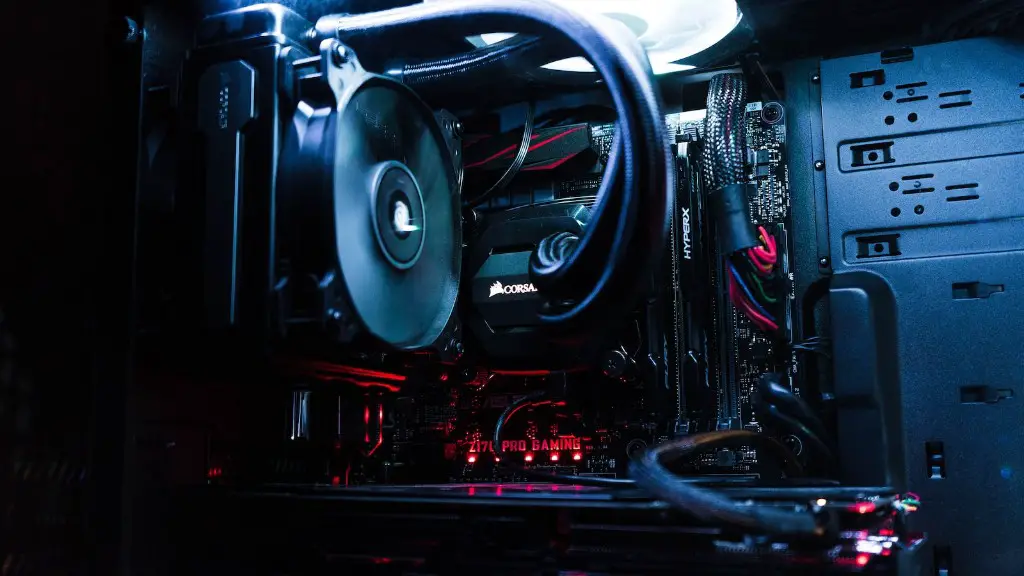
Heat management is also a key factor to consider when buying a gaming laptop. Powerful gaming laptops can generate an immense amount of heat, so it is important to select a model with enough cooling features to keep the laptop from overheating. Many gaming laptops come with advanced cooling systems that help keep the laptop at an optimal temperature.
Finally, gamers should also select a laptop with a sturdy build quality. High-end gaming laptops are typically quite expensive and should be able to withstand regular use without any issues.
Connectivity
For those of you who plan to use your laptop for gaming and for other activities, connectivity is an important element to consider. Most gaming laptops come equipped with a variety of ports, such as HDMI, mini-DisplayPort, and USB-C, which allow you to easily connect to external displays or peripherals. However, some models may lack these features, so you should check before buying.
Another element to consider is the laptop’s wireless capabilities. Many gaming laptops come with mid-range Wi-Fi chipsets that provide reliable connections, but some may have better connectivity options. To ensure you have a smooth gaming experience, you should select a laptop with at least dual-band Wi-Fi.
Price and Resale Value
Finally, the price of a laptop is also an important factor when it comes to selecting a gaming laptop. Budget gamers can opt for cheaper models that still provide decent performance, while more hardcore gamers can opt for the most expensive models to get their hands on the best specs available. It is important to keep in mind that more expensive laptops typically retain their value better than cheaper models, so if you plan to resell the laptop later, it is often worth investing more in the beginning.
User Experience Tone
The reputation of the laptop should not be overlooked. While some gaming laptops will boast impressive specs, the overall user experience of the laptop may be less than ideal. Gamers should research reviews to get a better picture of the laptop’s build quality, performance, and user experience. That way, you can be sure that you are investing in a laptop that will provide a great gaming experience.
Conclusion
In conclusion, there are many factors to consider when selecting a gaming laptop. Performance, display, battery life, heat management, connectivity, and price are all important elements to consider. Additionally, gamers should also consider user reviews to make sure they are investing in a laptop that will provide them with an optimal gaming experience. By taking all of these factors into consideration, gamers should be able to find the perfect gaming laptop for their needs.
