When deciding what specs for gaming monitor to get, the most important factor is to understand what your needs are. A monitor is the single most important factor for gaming performance, so it’s essential to consider your gaming goals and needs. To get the best out of your gaming monitor, you must understand the specifications of the screen and what each one means. The common specs to look at when considering a gaming performance monitor include size, resolution, response time, refresh rate, and panel type.
Screen Size
Screen size is one of the most important specs when selecting a gaming monitor. You want the monitor size to be large enough to accommodate the game settings without distortion or obstruction. It’s important to select a monitor size that’s comfortable to use, while still offering the clarity and picture brightness you need. For gaming, it’s recommended that a monitor should be at least 24 inches so that it can support a full HD resolution. Additionally, larger monitors will offer more gaming options, such as an ultrawide 21:9 gaming monitor.
Screen Resolution
Screen resolution is the number of pixels in an image and directly affects the level of detail and clarity you experience in gaming. While more pixels provide sharper images and clearer text, it isn’t absolutely necessary to get the highest resolution available. For gaming full HD resolution (1920×1080) is satisfactory, though you may want to opt for higher resolutions such as 4k (3840×2160) for improved immersion and visuals. Additionally, you may have to consider the power of your GPU as higher resolutions demand more power and processing.
Response Time & Refresh Rate
An important spec to consider when selecting a gaming monitor is the response time and refresh rate, both of which can affect gaming performance. The response time is the amount of time it takes for a pixel to change color, measured in milliseconds (ms) and generally ranges from 1ms to 8ms. The faster the response time, the better the gaming performance. Refresh rate refers to the number of times your monitor refreshes its display per second. It’s measured in Hertz (Hz) and is typically 60Hz or higher. Higher refresh rates will result in smoother images and improved motion handling. It’s important to note that your GPU must support the refresh rate for the monitor to reach its peak performance.
Panel Type
Panel type is an important spec when selecting a gaming monitor as it can affect colors, viewing angles, and response time. The most common panel types for gaming monitors include TN (Twisted Nematic) and IPS (In-Plane Switching), both of which have their advantages and disadvantages.TN panels are the cheapest and have faster response times, but poorer colors and viewing angles. IPS panels are more expensive and have slower response times, but they offer superior color accuracy and viewing angles. The best gaming monitor panel type is the one that best meets the demands of your gaming goals and needs.
Connectivity & Accessories
The last important spec to consider for a gaming monitor is connectivity and accessories. You want to make sure the monitor has enough ports for all the necessary devices and accessories you will be connecting. Most gaming monitors include one or two HDMI ports, but more are needed if you use an additional console, streaming device, or a set of speakers. It’s worth checking the type of ports available as some monitors may only support analog VGA, while others may include USB 3.0 or USB-C. Additionally, look for other features like adjustable stands, VESA mounts, and HDR capability.
Gaming Monitor Quality & Cost
Your budget will also play a role in selecting the right specs for a gaming monitor. Gaming monitors are available in a range of prices and the quality of the monitor will largely be determined by the cost. Cheaper monitors will typically be limited in features and lower quality components. It’s sometimes worth spending a little more to get the most out of your gaming experience. Pay attention to the specs of the monitor and determine which ones are essential for your gaming needs. It’s also important to research the brand and check online reviews to ensure you’re getting a good quality product.
Gamers Preferences
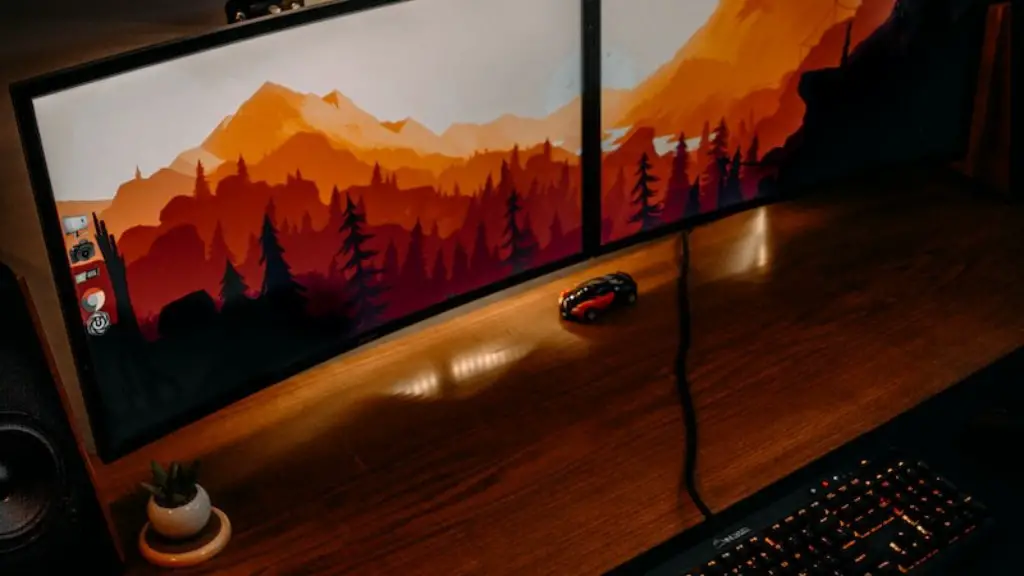
Finally, the last thing to consider when choosing the best specs for a gaming monitor is the individual’s preferences. Every gamer has different needs and expectations for their gaming experience, so it’s worth taking the time to understand what you need and want. Some gamers prefer larger screens with higher resolutions, while others prefer smaller screens with lower resolutions. Color accuracy, brightness, and image quality are also important factors to consider. Ultimately, the best specs for a gaming monitor depend on the individual’s gaming goals and preferences.
Frequency and Frame Rate
Another feature to consider when choosing the best specs for a gaming monitor is the frequency and frame rate. The frequency of a monitor is measured in Hertz (Hz) and is how often the image on the screen refreshes. Higher frequencies are better for gaming as it results in smoother visuals and improved motion handling. The frame rate is the number of frames per second (FPS) and is determined by the power of the GPU in the gaming PC. Higher frame rates deliver smoother and more lifelike visuals and are necessary for playing games at higher settings and resolutions.
Display and Color Technology
Display and color technology are also important specs to consider when selecting a gaming monitor. Technology advancements have resulted in better color accuracy, brighter images and higher contrast levels. Color technology like HDR (High Dynamic Range) Technology delivers more contrast and a wider range of color, while better display technologies such as QLED (Quantum-dot Light Emitting Diode) and OLED (Organic Light-emitting diode) displays are becoming more popular among gaming monitors. Once again, it’s important to research and understand which technologies are available and how they can benefit your gaming performance.
Compatibility and Durability
The compatibility and durability of a gaming monitor must also be kept in mind when selecting the right specs. Make sure that your monitor is compatible with the ports and connectors on your gaming PC. Additionally, look for monitors that have adjustable stands, VESA mounts and other features that may come in handy. Lastly, consider the durability of the monitor, as gaming can put a lot of strain and stress on the screen. Look for robust monitors with a stable and sturdy body that are capable of withstanding the stresses of gaming for years to come.
