As gaming on PCs continues to grow in popularity, users need to understand the difference between a gaming and a standard PC before they make their purchase. Buying a gaming PC can be a daunting and complex task, as there are a lot of features and options to consider. Here is what you need to know before buying a gaming PC.
The first thing you need to consider when buying a gaming PC is CPU and GPU (Graphics Processing Unit). Both components play a significant role in determining the performance of your gaming PC. The CPU is responsible for calculating your in-game commands and processing your game data, while the GPU is in charge of rendering your game graphics. Choose a CPU and GPU model that matches the game you want to play, and make sure that their performance specifications match the requirements of your graphics card.
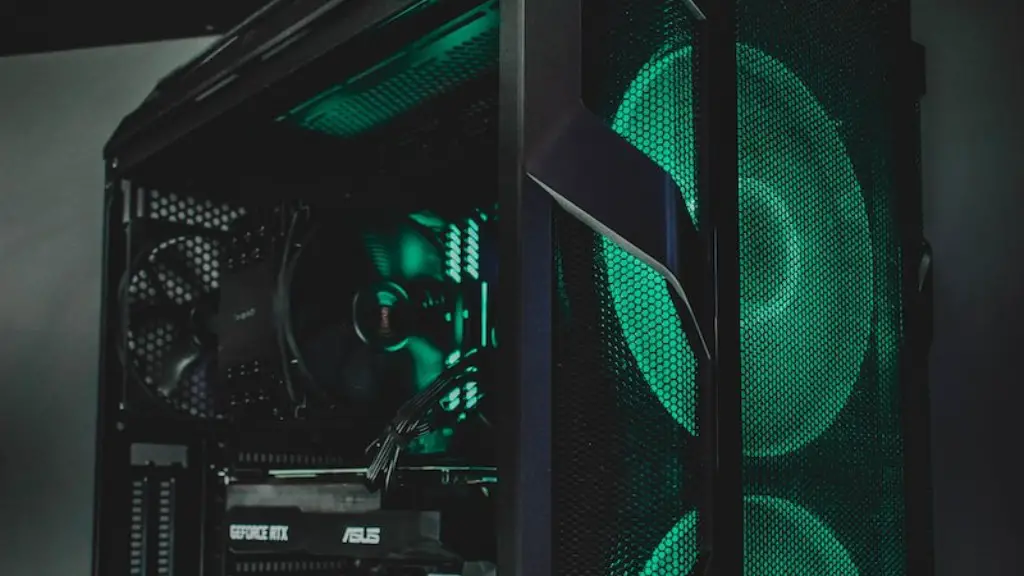
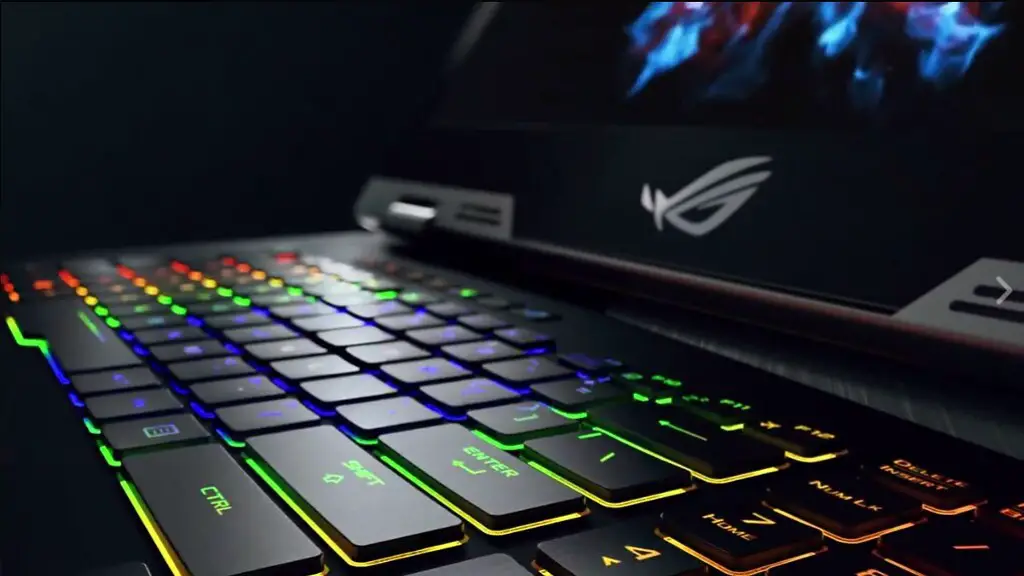
Next, you need to think about the overall design of the gaming PC. The size, shape, and color should match the look and feel of the game you want to play. Make sure that the ports and connectors on the PC are compatible with your peripherals. Look for added features like a cooling system, RGB lighting, and various ports, such as USB-C and Ethernet jacks, which can increase the usability of your machine.
You should also keep an eye out for storage capacity when buying a gaming PC. The bulk of your storage space should be on the hard drive, with an SSD or flash drive as an additional storage area. Both the SSD and the hard drive should be fast and reliable, as this is essential for gaming. Additionally, make sure that the RAM of the PC is sufficient to run the game you want to play.
Finally, you need to choose the right peripherals for your gaming PC. Components such as a gaming monitor, headset, mouse, and keyboard should be chosen according to your budget and preference. A powerful monitor and headset are essential for an immersive gaming experience, while a good mouse and keyboard are required for precision. Some gaming PCs come with pre-installed peripherals, so you don’t need to worry about purchasing these separately.
Which CPU and GPU to Choose?
Choosing the right CPU and GPU will make the biggest difference to your gaming experience. When selecting your CPU, consider features like its power consumption and the amount of cores and threads it supports. A powerful GPU will be able to render your game graphics at a much higher resolution and higher frame rate. Additionally, look at its memory capacity, as this will determine how many textures and other graphics elements your game can render. Read up on reviews for the CPU and GPU to make sure you get the best ones for your gaming PC.
Integrated GPUs, on the other hand, are found on pre-built PCs and laptops, and usually aren’t powerful enough for gaming. If you’re looking to purchase such a PC, then you should consider investing in a separate GPU, as this will increase your gaming performance substantially.
Depending on the game you want to play, choose the CPU and GPU which offers the highest feature set and most efficient performance. This way, you’ll also get more bang for your buck in terms of future upgradability options.
Optimizing Your PC and Tech Support
When buying a gaming PC, it’s important to make sure that the system is optimized for the best gaming performance. Go through the settings, uninstall any unnecessary programs and bloatware, and delete any files that are taking up space. This will ensure that your machine has maximum performance.
Another thing to consider is the tech support provided by the manufacturer. Generally, a good gaming PC will come with an in-depth and reliable technical support, so you don’t need to worry about any problems that arise. Make sure to read reviews from fellow gamers before choosing the gaming PC you want.
Additionally, good customer service should be an important consideration when buying a gaming PC. Many manufacturers offer live chat and email support, along with a comprehensive FAQ page to help you troubleshoot your gaming setup. This can help you save a lot of time and effort, which can help you get back to gaming faster.
Choosing the Right Peripherals, Software and Graphics Settings
When purchasing a gaming PC, having the right peripherals is essential. The gaming monitor and headset should be chosen according to your budget and preferences. Look for features such as high resolution, refresh rate, frame rate, and an ergonomic design. For your keyboard and mouse, make sure they are comfortable to use and have anti-ghosting technology.
Next, you should choose the right game software for your gaming PC. The game software should be compatible with the specs and features of your system, and should be able to take full advantage of its capabilities. If the game is too graphics heavy, then you should adjust the graphics settings to get the best performance from your PC.
Most modern games today will come with built-in benchmarking tools, so you can test your system without having to install third-party software. This can help you adjust the game settings for the best performance.
Upgrading and Maintenance
Assuming you’re on a budget, buying the most powerful gaming PC is not always the best option. You should consider upgrading certain components instead of buying an entirely new system. Start by upgrading the RAM and storage, and if needed, upgrade the CPU and GPU. This will help you remain budget conscious while still getting the best performance out of your gaming PC.
Having said that, you should also do regular maintenance of your gaming PC. This includes cleaning your system and its components regularly, as dust build-up can cause overheating. You should also defragment the hard drive and optimize the system startup to make sure that your PC is running efficiently.
Finally, make sure to install at least a basic antivirus program to protect your system from malicious viruses, which can slow down your PC. You should also update your system and its drivers regularly, as this will ensure that your gaming performance remains consistent.
Conclusion
Buying the right gaming PC requires careful consideration of various factors. It’s important to choose the right components, peripherals, and software in order to get the best experience out of your gaming PC. Doing regular maintenance of your system and upgrading certain components can also help you get the best performance out of your gaming PC.
