Many people are interested to know the difference between a gaming monitor and a TV. While both of these devices are capable of displaying images, they have distinct features that cater to different purposes. This article will explore the differences between them, so that you can make an informed decision when deciding on which type of device is best for you.
A gaming monitor is a type of display device that is designed specifically for gaming. It is primarily designed to be used with computer hardware and often has additional features such as advanced image processing, higher frame rates, and a low input lag. These features allow gamers to have a smoother and more responsive gaming experience.
In contrast, a TV is a type of display device that is designed for viewing media content such as movies, TV shows, and sports. TVs usually have a wider viewing angle than gaming monitors, but their overall image quality is often not as good. They also tend to have a slower response time, which can affect the gameplay experience.
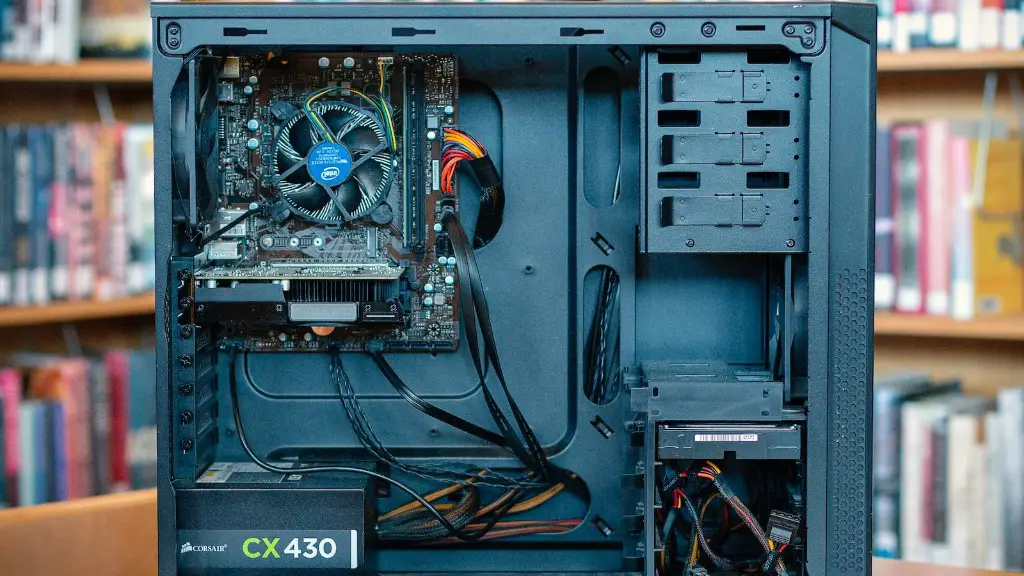
Furthermore, gaming monitors typically have more connectivity options than TVs. This allows for more versatility when connecting to external devices such as gaming consoles, video game consoles, and PC graphics cards. It also allows gamers to enjoy a more immersive experience in various settings without needing to purchase multiple display devices.
On the other hand, TVs usually have built-in speakers and audio systems that are designed to give a cinematic sound experience. Although some gaming monitors have audio features, they tend to be limited and are usually used in conjunction with external speakers or headphones.
Overall, the decision between a gaming monitor and a TV will largely depend on your needs. If you are looking for an enhanced visual and gaming experience, then a gaming monitor is the ideal choice. But if you want to watch movies, TV shows and sports, then a TV may be a more suitable option.
Price Difference
When it comes to the price difference between gaming monitors and TVs, it mostly depends on the features each device has. While the cost of a gaming monitor will vary depending on the size, response time and image quality, it is generally more expensive than a TV. This is because gaming monitors are specifically designed and built for gaming, with sophisticated features that can improve the gaming experience.
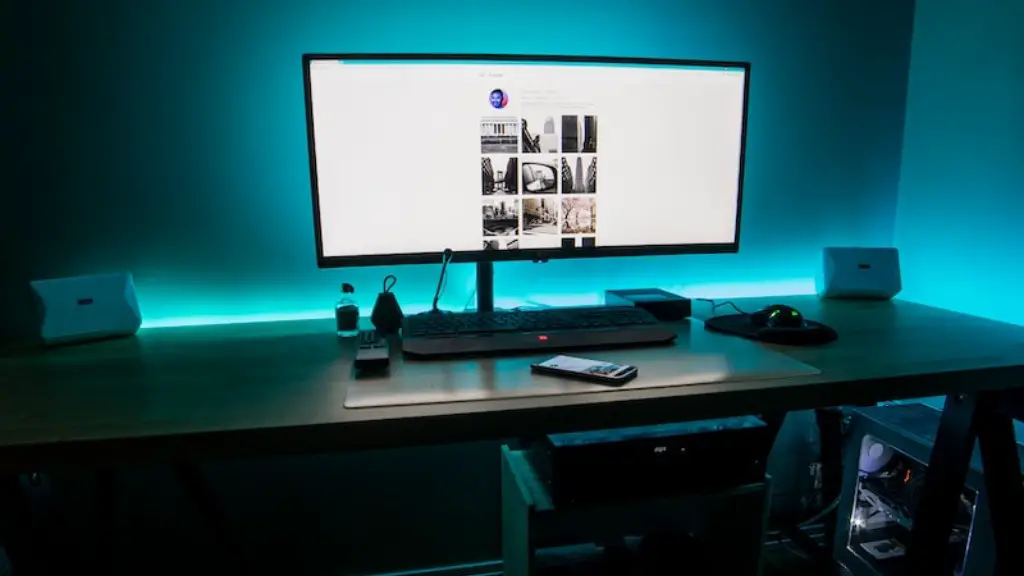
In comparison, TVs will usually have fewer features, but they tend to be more affordable. They are mainly designed to display content produced by broadcasting networks, so they will not have the same image and sound quality as a gaming monitor.
Therefore, if your main purpose is to play video games, then you should consider investing in a gaming monitor. Whereas if you mainly only watch movies or other types of content, then a TV may be the better option.
However, you must also consider the total cost, as the additional features of a gaming monitor will come with a higher price tag. Also, bear in mind that the price difference between a gaming monitor and a TV will depend on the size of the display, the type of features included, and the brand. Nonetheless, it is up to you to decide which type of device best meets your needs.
Wrapping Up
To sum up, gaming monitors and TVs have several distinct features and benefits that cater to different purposes. Gaming monitors are usually more expensive, as they are designed to provide an improved gaming experience with features such as advanced image processing and higher frame rates. Whereas TVs are usually more affordable, as they are mainly designed to display content produced by broadcasting networks.
In the end, the decision between a gaming monitor and a TV will depend on your needs, requirements, and budget. It is important to research each device carefully before making a purchase, as this will help you choose one that best meets your needs.
Monitor Resolution
Another key difference between a gaming monitor and a TV is the resolution. Resolution is the term used to describe the sharpness and clarity of the display. The higher the resolution, the sharper and clearer the images will be. Gaming monitors usually have higher resolutions than TVs, which makes them ideal for gaming.
Most gaming monitors have resolutions ranging from Full HD (1080p) to 4K (2160p). For example, some monitors can have resolutions as high as 5120 x 1440, which is considered to be the highest resolution currently available. Furthermore, gaming monitors usually have higher refresh rates than TVs, which will offer smooth and uninterrupted gaming action.
In contrast, TVs usually have lower resolutions and refresh rates. For instance, most televisions have a resolution of 1080p and a refresh rate of 60Hz. This means that TVs will not be able to provide the same image quality or gaming experience as a gaming monitor.
On the other hand, TVs tend to have larger viewing angles than gaming monitors. This can be beneficial in certain situations, such as if you need to be able to view the display from multiple angles. Moreover, TVs usually have multiple input connectors, so you can easily connect different devices such as gaming consoles, video game consoles, and PC graphics cards.
Motion Deblur
Moreover, gaming monitors often come with special features such as motion deblur. This is a feature that uses software to reduce the blurring of fast-moving objects. This can be especially beneficial when playing fast-paced games such as first-person shooters, as it helps to keep the visuals sharp and clear.
On the other hand, TVs do not usually have motion deblur and will not be able to provide the same type of visual clarity as a gaming monitor. Furthermore, TVs may also suffer from input lag, which is the delay between the time a command is given and the time it appears on the screen. Input lag can have a significant impact on the gaming experience, as it can make it difficult to accurately time your movements and reactions.
Overall, gaming monitors tend to provide a better gaming experience than TVs due to higher resolution, refresh rates and special features such as motion deblur. However, TVs have their own advantages such as their large viewing angle and built-in speakers.
Heat Dissipation

Lastly, another important factor to consider is the heat dissipation. Gaming monitors usually produce more heat than TVs and can strain your computer’s cooling system if not used properly. Thus, it is important to make sure that your computer is properly cooled before using a gaming monitor for an extended period of time.
In contrast, TVs typically produce less heat than gaming monitors and can be used for several hours without any cooling measures. Furthermore, TVs usually have built-in cooling systems and fans, which can help keep the device cooler during extended periods of use.
Overall, the choice between a gaming monitor and a TV will largely depend on your needs and requirements. Gaming monitors provide better visuals and gaming experience, but they also produce more heat and require a powerful computer with a good cooling system. On the other hand, TVs are more affordable, have larger viewing angles, and are usually much cooler. So it is up to you to decide which type of device is best suited to your needs.
