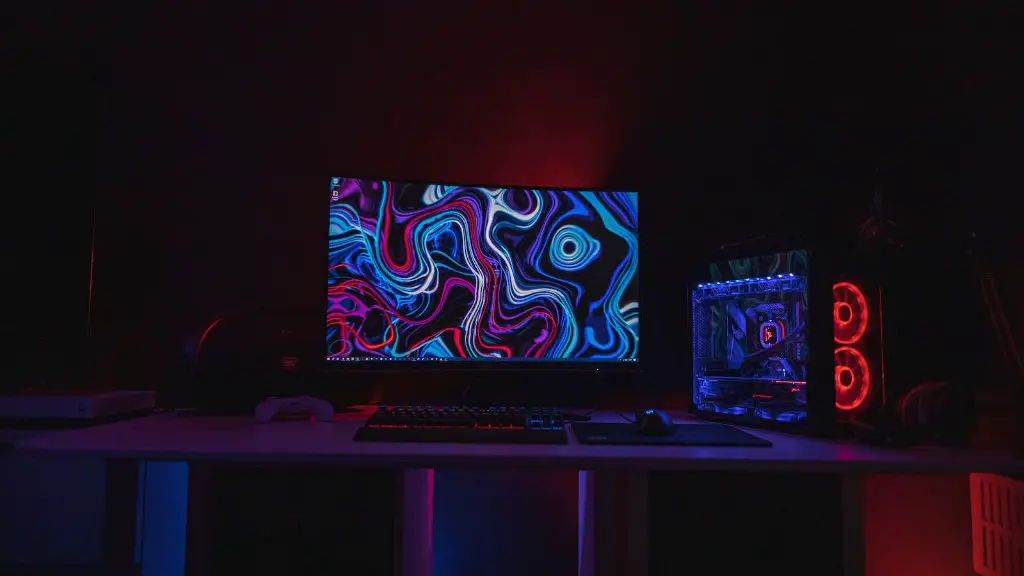
Building your own gaming PC is an exciting endeavor and a great way to get a custom gaming experience while staying within your budget. With the right components and the right skills, you can assemble your own gaming PC from scratch. But how exactly do you go about building your own gaming PC?
The first step when building a gaming PC is to choose the right components for your needs. You’ll want to look for components that are designed for gaming and are compatible with your operating system, such as an AMD processor for Windows, or an Intel processor for Mac. Then, decide on the type of graphics card you want, such as a dedicated graphics card with dedicated memory or an integrated graphics card. Finally, decide on a RAM capacity and storage device, like a hard drive or solid state drive.
Once you’ve decided on the components you need, it’s time to assemble them. This is where having the right skills comes in handy. You’ll need to know how to fit the components into the right slots and connections, as well as connect all of the cables to ensure your components are working together properly. Most components come with instructions, so make sure to read them carefully. You should also have a comprehensive list of the parts you need and their instructions to hand, just in case.
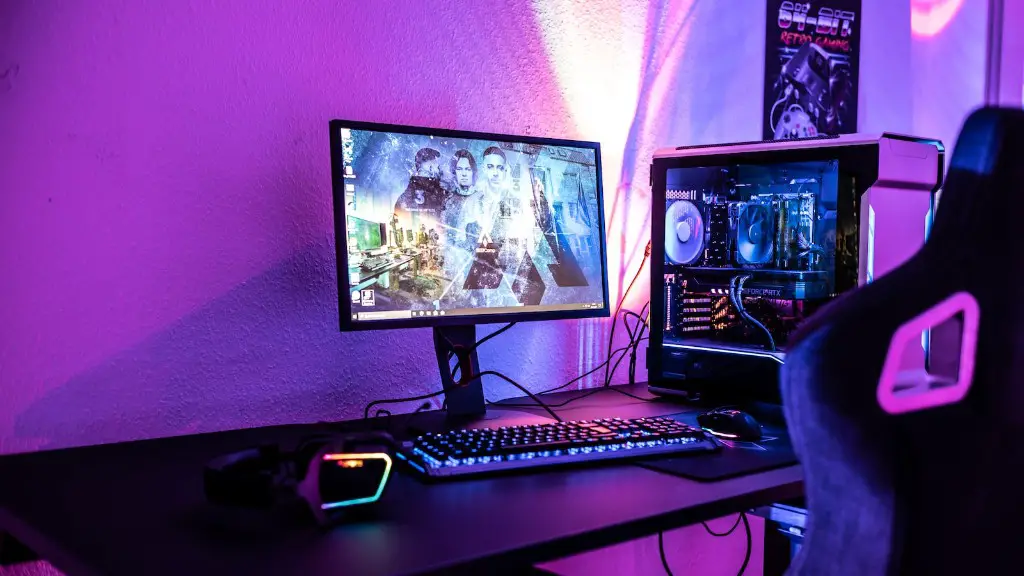
When it comes to keeping your new gaming PC running, you’ll want to make sure to keep it up to date. This means upgrading your components whenever newer and better models come out, as well as updating whatever software applications you’re using. It’s also important to regularly clean out your system to get rid of dust and other build up from cooling components.
Finally, don’t forget to customize your gaming PC according to your own personal style. Whether it’s adding custom lighting or installing a custom graphics card, you’ll want to give your gaming pc its own unique look.
Where to Buy Gaming PC Components
When it comes to choosing the right components for your gaming PC, there are many places you can turn to. For starters, you can check out online retailers like Newegg and Amazon, which provide a wide variety of components that are compatible with most gaming PCs. You can also check out your local electronics stores for components and deals.
Of course, if you want the latest and greatest components, you’ll want to turn to more specialized retailers. These include specialist gaming stores like Logitech and Minotaur, as well as high-end suppliers like NVIDIA and AMD. Finally, if manufacturers are selling components directly, such as with graphics cards and CPUs, you’ll find better options and better deals.
Before you commit to a purchase, make sure to read online reviews and take into consideration other users’ experiences with similar products. This will make sure that your purchase is reliable, compatible with your system, and performs as expected.
What Tools Will I Need to Build a Gaming PC?
You don’t need a lot of tools to build a gaming PC, but you will need a few basic tools. The most important tool is a Phillips screwdriver. This will allow you to unscrew and open your components and attach them to your motherboard. You will also need a static dissipating wrist strap, which attaches to your computer to help reduce the risk of shock.
Some other tools you may want to consider include pliers, a flathead screwdriver, a pair of tweezers, a soldering iron, and wire cutters for cutting and crimping cables. Lastly, you may want to invest in an anti static mat, which is a rubber mat that protects your components from static electricity.
Once you have all the necessary tools on hand, you’re all set to start building your gaming PC.
Installing and Configuring the Software
Once you have your hardware all ready, the next step is to install the necessary software. This includes your operating system as well as drivers for your components and peripherals. Your operating system of choice should come with its own installation and configuration instructions, so make sure to follow these carefully.
When it comes to installing your drivers and applications, you should always download them from the official manufacturer’s website. This will ensure that you have the most up-to-date version of the drivers and the best performance from your components.
Once your drivers and operating system are set up and running, you’ll need to configure your system settings and optimize your components. This includes adjusting cycling, power performance, and graphics settings, as well as setting the right resolution and refresh rate for your monitor and games. You may also be able to access additional performance optimizations provided by your components’ manufacturers.
Installing Your Games
Once your gaming PC is set up and running, it’s time to start gaming! You can install your games from physical discs, or you can purchase and download them from services like Steam and GOG. Make sure to install your games on your storage device and not your operating system’s primary partition, to keep your drive clutter-free and running optimally.
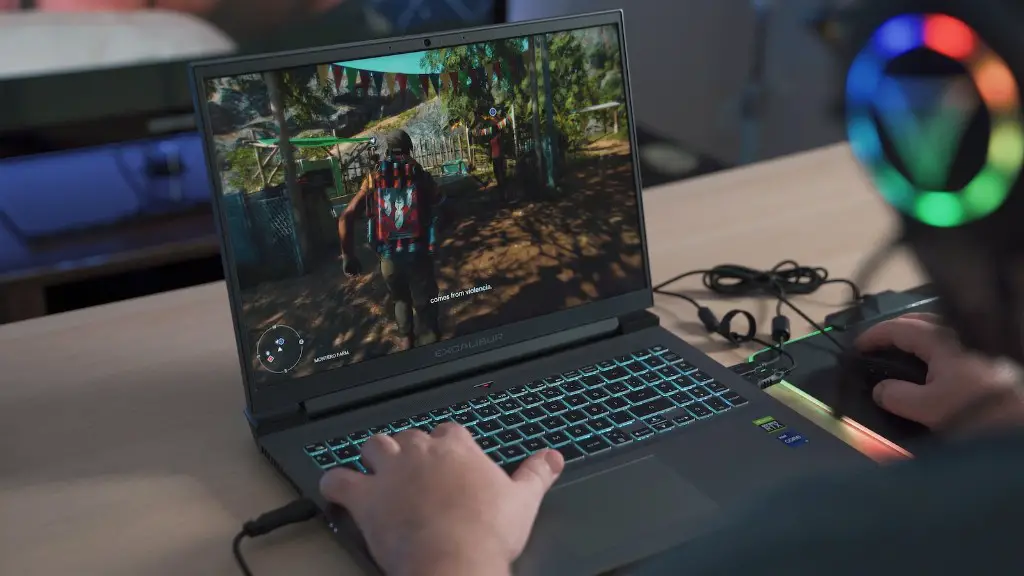
When you’re ready to start playing, make sure to run the game’s benchmark test to make sure all the settings are in place and that the game is running smoothly. If the results of the benchmark test aren’t satisfactory, you can always tweak the settings to get the most out of your machine.
If you’ve been wanting to build your own gaming PC but weren’t sure where to start, you now have the basic information you need to get started. With the right components, tools, and software, you too can build your own personal gaming PC.
Tips for Maintaining Your Gaming PC
Now that you have your gaming PC built, it’s important to maintain and take care of it to make sure it lasts as long as possible. These maintenance tips will keep your gaming PC running optimally for years to come.
First, clean your components regularly to keep them in top shape and prevent any dust or debris from clogging up your machine. You can also consider investing in an air purifier to help keep your gaming PC free from dust and other airborne particles.
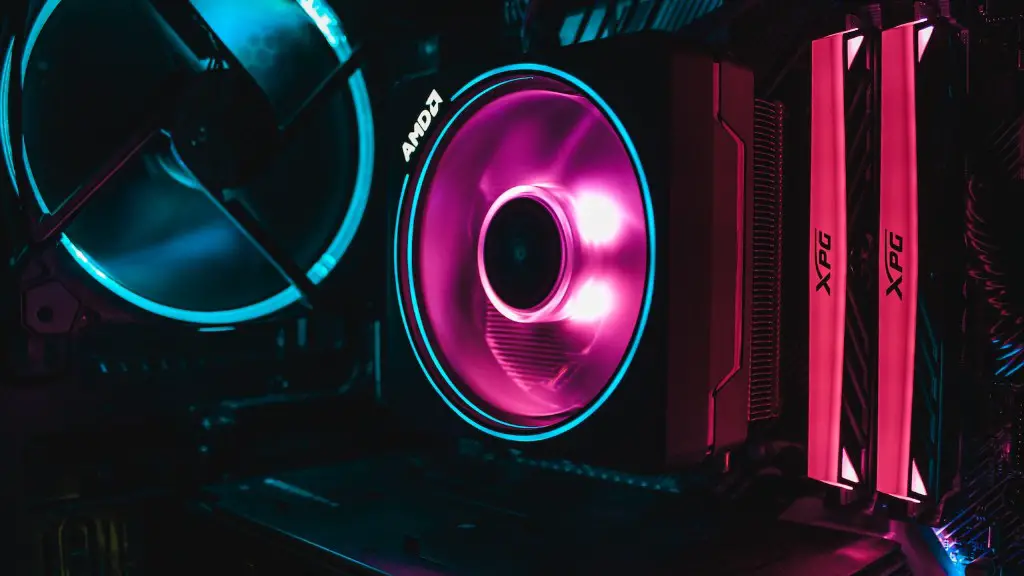
Next, use cleaning kits and thermal paste to keep your components at optimal performance. Thermal paste should be reapplied every couple of months to ensure your system is working optimally. Additionally, you should use a cleaning kit to clean up components like the fan and heat sink, which can clog up easily.
Finally, make sure to back up your files regularly and develop the habit of shutting down your computer properly. This will make sure that your files are safe and that your gaming PC is running optimally.
Things to Consider When Building a High-End Gaming PC
When it comes to building a high-end gaming PC, there are even more things to consider. You’ll want to make sure you have the best components for gaming, such as the latest graphics cards, a powerful processor, and plenty of RAM. You’ll also want to make sure your storage device is large enough to store all your games and applications, as well as have a comfortable case for your gaming PC.
Additionally, you’ll need to pay extra attention to your cooling system. A well-designed cooling system will prevent your components from overheating while also improving performance. You can opt for a liquid cooling solution to keep your gaming PC running optimally, or you can opt for a more traditional air cooling solution.
Finally, make sure you invest in a high-quality power supply. Not all power supplies are created equal, and some may not have enough power to handle your gaming PC components. Look for a reliable power supply with at least 80% efficiency and a minimum of 550 watts.
Conclusion
Building your own gaming PC can be a daunting and intimidating task, but it’s one of the most rewarding experiences you’ll ever have. By making sure you have the right components, tools, software, and cooling system, you’re sure to get the most out of your gaming experience. With these tips in mind, you’ll be ready to build your own gaming computer in no time!
