When it comes to gaming, it’s natural to want the most powerful set-up available. But is a laptop or a desktop better for gaming? It’s an age-old question that has been hotly debated in the gaming community for years. The main factor to consider when assessing which is the better option for gaming is cost. Both come with their own pros and cons and it’s important to weigh up these features before making a purchase.
Starting with laptops, they are portable by nature and usually have a longer battery life than a desktop. Additionally, laptops are usually more affordable than desktops or pre-built gaming rigs. Despite this, laptops can be harder to upgrade, as most of their components come fully assembled, whereas with a desktop you can customize and upgrade components as required. Modern laptops have some pretty decent specs and will enable you to have a powerful gaming experience.
Comparatively, desktops offer many more opportunities for customization of components. This gives it a lot more flexibility and accessories can easily be added or upgraded, making desktops generally easier to repair. Desktops are also more powerful in terms of CPU and GPU performance. Add to this the fact that they require less electricity and therefore cost less to run and it’s easy to see why they seem like the obvious choice.
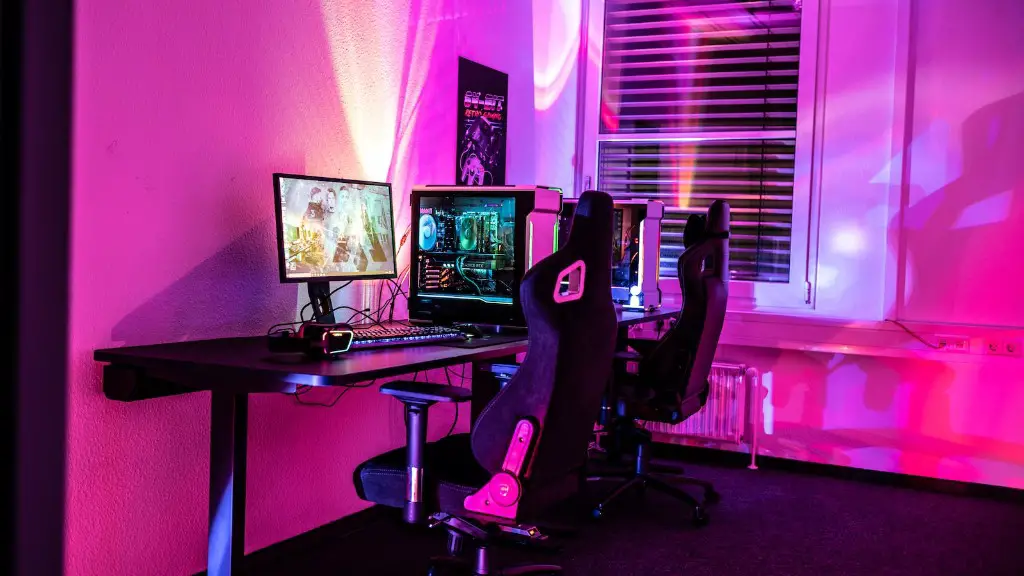
The final factor to consider is graphics, as this is arguably the most important feature of gaming. Gaming laptops and desktops both offer excellent graphics performance. However, the graphics cards in gaming laptops are usually lower end compared to their desktop counterparts and therefore the graphics may not be quite as good.
Ultimately, the decision of which is better for gaming, laptop or desktop, comes down to cost, portability and customization. For those who are on a budget, a laptop may be the best option but for supreme graphics and performance, a gaming desktop may be the way to go.
Upgrade Capacity
If you are looking for a future-proof purchase and have the budget, a gaming desktop is a great option. Desktops tend to have better upgrade paths, meaning that you can upgrade the components of your machine in a way that wouldn’t be possible with a laptop. Furthermore, desktops are larger and more accommodating, meaning more power and better performance.
Most gaming laptops come with an array of ports and components already installed, so you won’t have to find any extra parts. On the other hand, desktops are more flexible in this regard. You can purchase components separately, such as video cards, extra storage space and memory, and you can even find parts that are specifically designed for gaming.
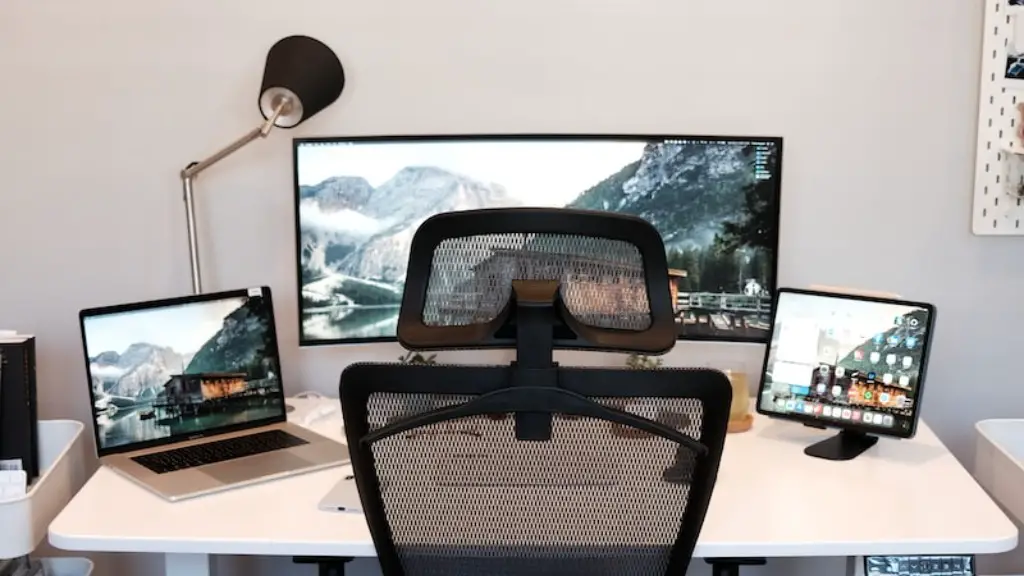
When it comes to desktops, you can find options that are more powerful and can be customised and upgraded whenever the need arises. This means that the lifespan of the machine can be potentially longer as you can switch things up and upgrade components whenever you need to.
Portability
Laptops and desktops have vastly different size and portability factors. Despite the fact that laptops have become increasingly lighter and slimmer, desktops simply cannot compete in terms of size and portability. Desktops are much bigger, heavier, bulkier and not as mobile as laptops, making laptops the obvious choice for those who frequently move from place to place or travel.
What’s more, with a laptop, you can game anywhere you go as long as it’s plugged in. Although most console gaming involves hooking up the console to the TV, with a laptop, you can game on the bed, the couch or even on the beach. It’s also easier to hook up the laptop to a WiFi internet connection compared to a desktop.
However, if portability isn’t an issue, it might be worth opting for a desktop over a laptop. Desktops are less expensive than their laptop counterparts and they offer more performance and storage. Furthermore, desktops are usually built with liquid cooling systems, meaning better heat dissipation, which is something you won’t find on a laptop.
Cooling System
Another important factor to consider when deciding between gaming laptops and gaming desktops is the cooling system. Gaming laptops come with Heat pipes and fans that are specifically designed to keep the laptop cool while in use, but this is not always enough to prevent overheating. Desktops on the other hand, almost always come with some sort of liquid cooling system, which can be more efficient in keeping the machine cool while in use.
Also, the performance of the fans in desktops can usually be customised or upgraded to achieve better cooling performance. This is something that is not possible on a laptop, so if you are looking to get the best performance out of your gaming machine, then a gaming desktop may be the best option.
Nevertheless, both laptops and desktops have their own advantages and disadvantages. It is important to consider which is best for your particular needs. Laptops are good for portability and flexibility, whereas desktops offer more power and customisation. It ultimately depends on the kind of machine you need, the games you play, and your budget.
Weight & Size
The main difference that sets laptops and desktops apart is the size and weight. Laptops are obviously much more compact than desktops, which allow them to fit in nearly any bag, backpack, and even pocket. Desktops are typically much bigger and heavier, they often require a desk and a protected space, and they’re not so easy to transport.
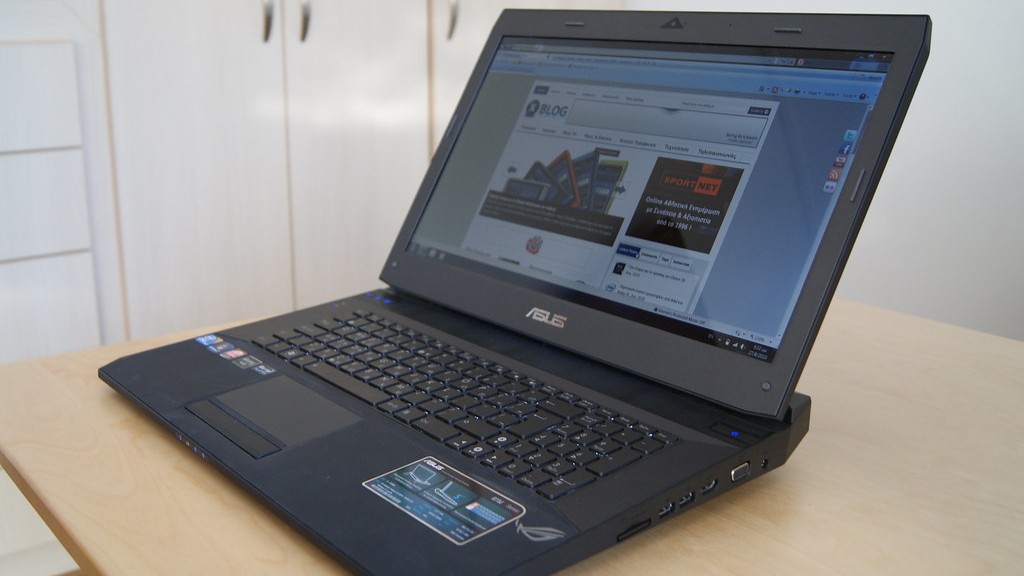
Furthermore, laptop sizes also differ significantly. From ultra-portable netbooks and 2-in-1 hybrids to large and heavy gaming machines, there are a wide range of laptops available that range from lightweight to ultra-powerful. If a machine is too large or too heavy, it can be uncomfortable to handle, making a laptop less desirable. Desktops, on the other hand, are usually quite large so they take up more floor or desk space.
Most gaming laptops also require additional cooling systems or pads to help keep them cool, where as, most desktops can be cooled passively. As long as the desktop is kept in a well-ventilated room, it should remain cool. Lastly, pre-built gaming desktops often come with more advanced cooling systems such as liquid cooling systems, which can provide better cooling performance.
Form Factor
The form factor of laptops and desktops are very different. Laptops are designed to be thin and lightweight, making them ideal for portability and for those who need to work on the go. Desktops, on the other hand, are usually very bulky and take up a lot of space.
Laptops, however, often lack upgradability. With desktops, you can customise and upgrade components to suit your needs and desires. You can opt for a more powerful processor, more RAM, SSDs, and so much more.
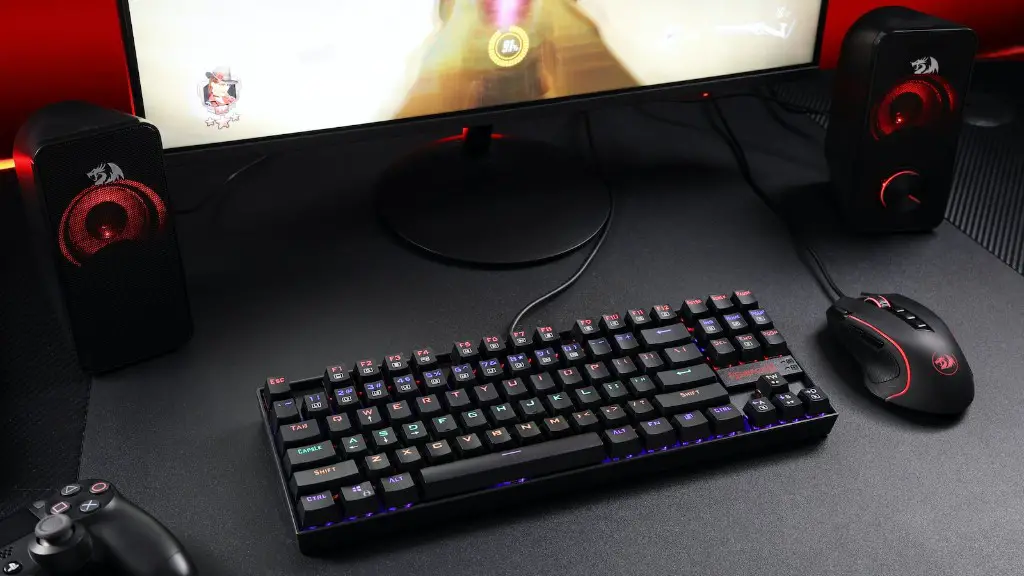
Additionally, if you’re looking to game, desktops typically provide more frame rate per dollar. This means that you can get a more powerful gaming machine for less money compared to a gaming laptop. In addition, gaming laptops tend to be much more expensive than desktops due to their form factor and performance potential.
Ultimately, the choice between laptop or desktop for gaming comes down to a number of factors such as gaming preferences, budget, portability, upgradability and form factor. It’s important to weigh up these elements before deciding on which option is best for you.