Every gamer knows the frustration of sudden crashes while in the midst of an intense gaming session. Crashing is the most common problem for gaming PCs, usually due to the fact that a computer system wasn’t designed for continued heavy stress. Three key identifying factors to figure out why a gaming PC is crashing can be quickly identified and ruled out: a power problem, an inadequate cooling system, or an unstable/incompatible software.
A power problem is a common reason for gaming PC crashes. Many gamers overstress the power that their PC is meant to handle. Having an inadequate power supply leads to strain on components and insufficient workload delivery. This can result in the PC suddenly crashing or slowing down. Testing the wattage of the power supply can determine the power problem, especially when it comes to power supply failure.
Another common issue with gaming PCs is their lack of efficient cooling systems. Because of the continuous power strain on the individual components, heat buildup causes stress on the hardware, leading to a crash. Proper air circulation and an efficient cooling system prevent hardware temperature problems. Adding additional fans or replacing slow/aged components can improve airflow.

Lastly, gaming PCs can also crash due to software incompatibilities or unstable programs. For example, running a game that requires a specific driver version but isn’t compatible with the current version can cause a PC to crash. Upgrading processor drivers and using software that is compatible with the current system files plays a big role in preventing crashes. Installing the latest driver versions for each gaming component can solve most software-related crashes.
System Installations Affecting Crashes
System installations can also lead to PC crashes, especially when transferring them from another system. The new installation will have to be optimized by updating/upgrading components that may be outdated. An important part of optimization is configuring the appropriate settings in the BIOS, which can significantly improve speed and stability. In addition, certain programs can be uninstalled in order to free up memory, depending on the size of the available RAM.
It is advisable to delete any unnecessary files that accumulate over time. Though a full system scan might take some time, it is critical for reducing the risk of corrupted files. Anti-malware and spyware software should also be updated to prevent any malicious programs from damaging the system. Different modifications can cause incompatibilities with the system, leading to frequent crashes and sudden shutdowns.
Hardware Considerations For PC Crashes
Hardware-related issues are also common causes of intermittent PC crashing. Motherboard fault, shorting of components, and failed overlocking can affect system stability. Another reason for crashes is the continuous overstressing of a component during long gaming sessions. This can cause hardware failure and other components to become damaged due to increased power drains.
When considering hardware-related issues, an important factor is the age and quality of the internal components. Poor quality parts or outdated components need to be upgraded or replaced depending on the system requirements. This helps to optimize the performance of the PC and maintain its stability. These upgrades should be done by a professional technician to ensure successful installation and safety protocols.
Additionally, laptops may experience unexpected shutdowns due to their electrical wiring and heating issues. Laptop cooling systems are different from a desktop and require different maintenance. Dust accumulation and fan failure can cause a laptop to overheat, leading to unexpected shutdowns.
Graphics Card & Driver Issues
Graphics card incompatibility is also a common issue. Graphics cards require specific drivers and software that must be compatible with the specific hardware of a gaming PC. Software failure or driver incompatibility can lead to sudden crashes or shutdowns, resulting in the loss of data. Also, GPU overclocking or overstressing can cause potential hardware damage and component failures.
To prevent incompatibility issues, it is essential to check the requirements necessary to run a certain game or program. Updates are necessary and should be done frequently, as outdated drivers or software can lead to games crashing or failing to run. Also, verifying the authenticity of any new software or driver is important to prevent any system malformation.
Memory & RAM Issues
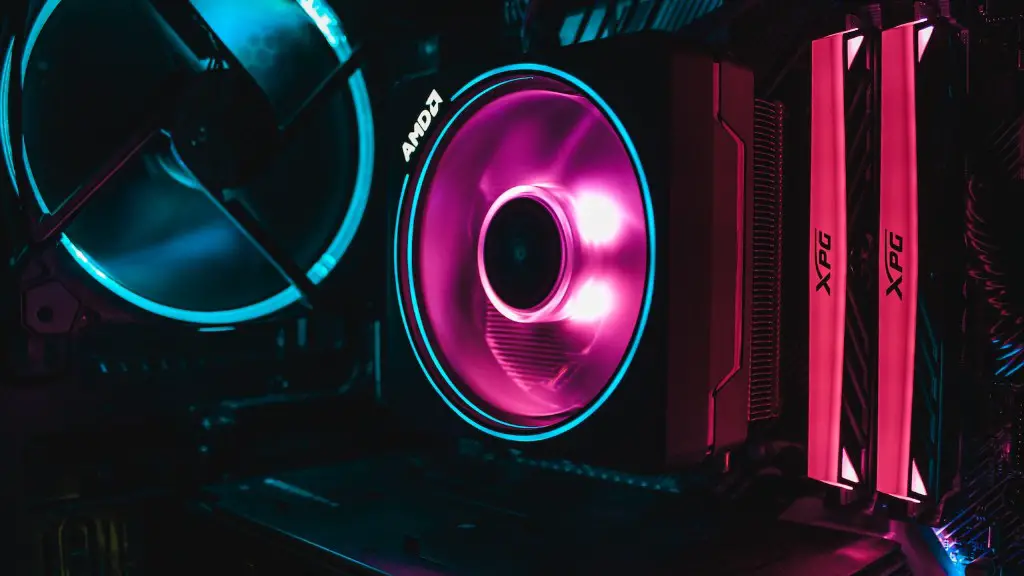
A PC that is low on system memory can lead to game performance and stability issues. Insufficient RAM can cause many problems, from crashing to slow response times. Allocating additional virtual memory can increase the PC’s available RAM, preventing occasional crashing. Having too many programs running in the background can also cause a lack of RAM, so properly monitoring active running programs is also key in ensuring system stability.
These are some of the common factors that can lead to gaming PC crashes, as well as how to prevent them. It is important to check the wattage and power, as well as any hardware or software incompatibility. Properly monitoring running software and optimizing the settings of certain components can help to keep the system functioning normally.
