Finding cheap gaming PCs is an endeavour that many gamers have an interest in. It’s easy to get caught up in the hype of high-end hardware and flashy components, but in most cases, these are unnecessary and cost more than is necessary. Fortunately, there are great gaming PCs available at a fraction of the cost of their more expensive counterparts. With that in mind, here are the best ways to find the cheapest good gaming PC.
The first thing to consider when looking for a cheap gaming PC is the processor. Processors like the AMD Ryzen 5 and Intel Core i7 are both powerful and budget-friendly. They are great for playing games and running other applications. For even better performance, you can also consider Intel’s Core i9 or AMD Ryzen 7 processors.
Another important component to look at is the GPU. Nvidia’s GeForce RTX 2070 and 2080 Ti are both excellent cards for gaming, and are surprisingly affordable. If budget is an issue, you can also opt for the more budget-friendly Radeon RX 500 series or Nvidia’s GTX 1050 Ti. For those looking for the best gaming performance, the best option is Nvidia’s RTX 3080.
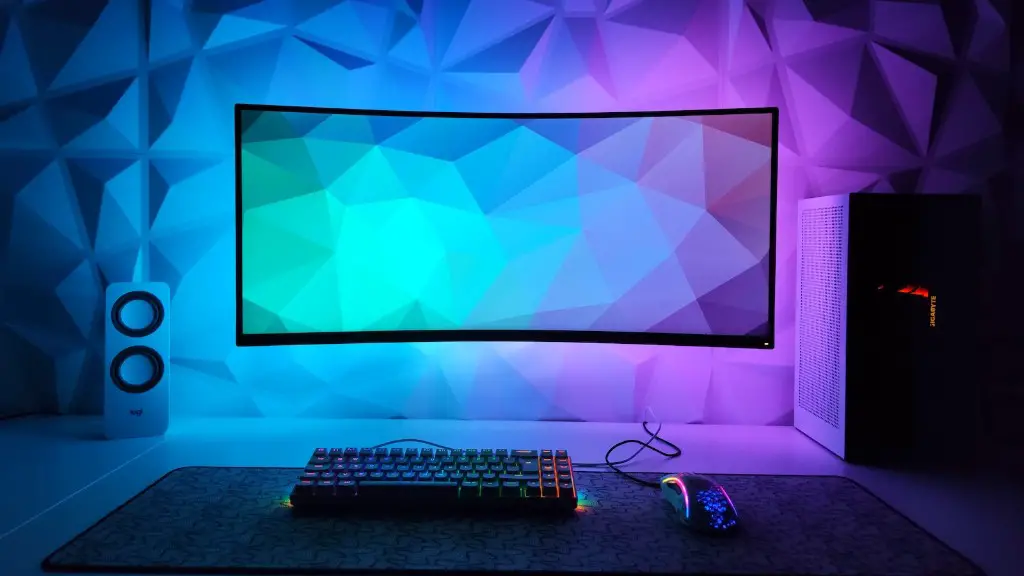
Your storage needs should also be taken into account when looking for a cheap gaming PC. Solid-state drives are much faster than hard drives, but they are more expensive. However, a good compromise between performance and cost is a hybrid drive. These drives offer the speed of a solid-state drive but have larger capacities of a hard drive.
RAM size is also something to consider when looking for a cheap gaming PC. 16GB of RAM is enough to provide a smooth gaming experience, but more RAM is always preferable. 32GB is a great option for those who need more multitasking power. Opting for faster RAM, such as DDR4, can also help increase performance.
Finally, you’ll need to choose the right case for your PC. Cases come in all shapes and sizes, and some are better suited for gamers than others. A mid-tower is a great option for those looking for a cheap gaming PC as it offers great cooling and space for your components. If you’re looking for more space and cooling, then a full-tower is the best choice.
When it comes to finding the best and cheapest good gaming PC, it’s important to remember that there are no hard and fast rules. Every gamer has their own preferences and wants different types of hardware. Before buying, be sure to research all the components and create a PC that fits your needs.
What are the best processors for gaming?

When it comes to finding the best gaming processors, two stand out above the rest. Intel’s Core i7 and Core i9 are widely considered the best processors for gaming, as they offer excellent performance, are incredibly durable, and are surprisingly affordable. On the AMD side, the Ryzen 5 and Ryzen 7 are great options and offer ample power at a fraction of the cost of similar Intel CPUs. For those on a budget, the Ryzen 3 is a great choice, offering plenty of performance for a very affordable price. However, if you want the best gaming performance, then the Intel Core i9 and AMD Ryzen 7 are the way to go.
When buying a processor, it’s also important to consider its core count. Generally, the more cores a processor has, the better it will perform when it comes to gaming. That said, a 4-core processor is more than enough for most games and won’t break your budget. If you’re looking for more performance, you can consider a 6 or 8-core processor. For those looking for serious performance or playing more demanding titles, then you can consider a 10 or 12-core processor.
Finally, overclocking can help you get even more performance out of your processor. This can help you squeeze even more performance out of your CPU, but it comes with the risk of overheating damage. If you’re not familiar with overclocking and how to do it safely, it’s best to leave it to the experts.
What are the best graphics cards for gaming?
The graphics card is an essential component of any gaming PC. GPUs can range from low-end cards to those with advanced features and hardware. When it comes to picking the best graphics card for gaming, there are many factors to consider. Higher-end cards like Nvidia’s GeForce GTX 2080 and GTX 2080 Ti are excellent choices, offering excellent performance and ray-tracing capabilities. If you’re on a budget, the Nvidia GTX 1050 Ti and AMD Radeon RX 570 are both great options.
For 1440p gaming and virtual reality, the GTX 1080 Ti and RTX 2070 are great options. You can also consider the RTX 2080 if you want more performance for better framerates and higher levels of detail. On the AMD side, the RX Vega 56 and 64 are both great cards and offer excellent performance.
Of course, the best graphics card for gaming isn’t the only thing that matters. Many games use CPU-intensive features, such as physics and shading, so it’s important to pick a powerful CPU as well. An Intel Core i7 processor is a great option for gamers, as it offers plenty of performance for gaming, streaming, and more.
Finally, it’s important to consider the type of GPU you need. Most gaming GPUs today come in either the standard GDDR5 form or the more advanced HBM2 form. HBM2 offers even more performance but can cost more. However, the standard GDDR5 is more than enough for most gamers.
What is the best Motherboard For Gaming?
The motherboard is the backbone of any gaming PC. It determines which components are compatible with one another and provides the connections needed to interact and communicate. When choosing the best motherboard for gaming, it’s important to consider several factors, chief among them the socket type.
The socket type will determine which processor you will be able to use. CPUs from Intel and AMD come in two major formats: LGA 1150 for Intel, and AM4 for AMD. The LGA 1151 has superseded the 1150, but there are still many compatible motherboards out there for 1150 CPUs. On the AMD side, the AM4 socket is the most popular and widely used.
It’s also important to consider the chipset of the motherboard. The chipset is the circuitry that dictates which features and performance your motherboard will have. For Intel systems, the Z170 and Z270 chipsets are popular, while the B350, X370, and B550 are popular options for AMD motherboards. Choosing the right chipset can have a big impact on performance.
Finally, it’s important to consider the form factor when choosing a motherboard. Mini-ITX and micro-ATX are the most popular form factors for gaming PCs, and offer a good balance of size and performance. If you need more room for components, then a full-ATX motherboard might be the best option.
What is the best RAM for gaming?
Choosing the right RAM plays an important role in gaming. It’s important to pick the right type and capacity, as RAM can have a big impact on gaming performance. The most popular type of RAM for gaming PCs is DDR4. It offers the highest speeds, the best performance, and comes in the widest variety of capacities.

For a gaming PC, 8-16GB is generally enough, but more RAM is always preferable. For those who need more multitasking power, 32GB is a great option. When it comes to speed, you should look for RAM with a low CL, or latency. Generally, CL14 or CL15 is best for gaming, but you can go as low as CL11 for even better performance. Keep in mind that higher-speed RAM, such as DDR4-3200, comes with a premium price tag.
It’s also important to note that RAM is usually sold in pairs or kits. While it’s possible to use two DIMMs of different sizes or speeds, the best performance will come from two DIMMs that are the same size, same speed, and have the same timings.
What is the best cooling for gaming PCs?
The importance of cooling should never be underestimated when it comes to gaming PCs. Without proper cooling, components can overheat, resulting in decreased performance, instability, and even costly damage. Fortunately, there are several options out there for cooling your gaming PC.
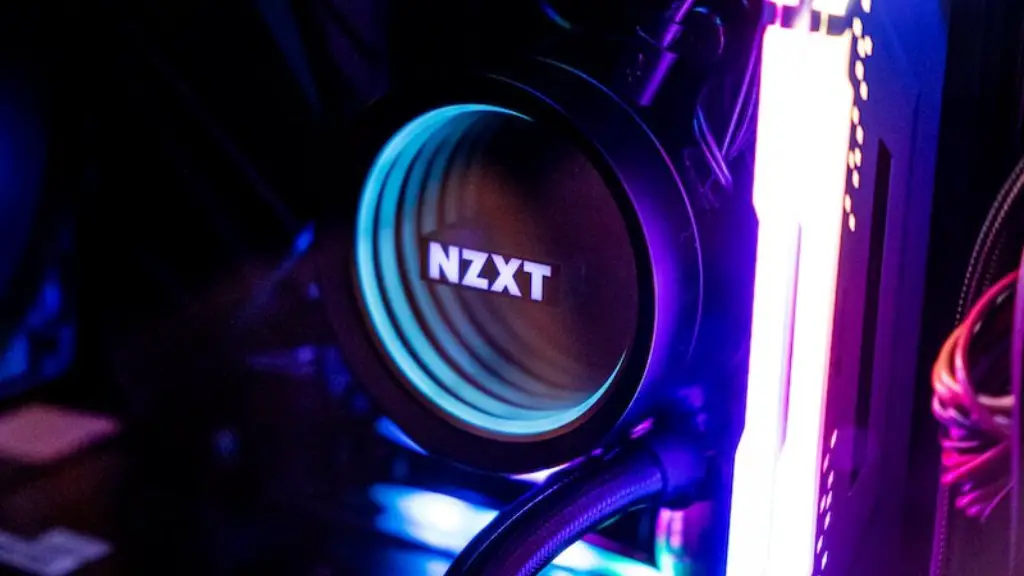
The most popular cooling solutions are air and liquid. Air cooling is the traditional method, using fans and heatsinks to draw heat away from components. While this is usually enough for regular gaming usage, liquid cooling offers better cooling and thus better performance. It can also open up additional overclocking potential.
Closed-loop liquid coolers are pre-filled and come in a variety of sizes. A 120mm or 240mm radiator is usually enough for most gaming PCs, but larger radiators offer excellent performance. If you’re looking for even better cooling, you can also opt for a custom loop, although these require more time and money to set up.
Finally, it’s also worth considering other cooling options such as heat sinks, case fans, and thermal paste. All of these can help improve cooling performance, and ensure that your PC runs cooler and quieter.
