Upgrading an old PC to make it the ultimate gaming rig is an enticing prospect. Building up an old PC’s hardware and creating an efficient software bundle will maximize performance and upgrade it to gaming worthy specs. The process is not as complicated as it may seem, and done right can be done in three steps.
First and foremost, research the parts needed for the upgrade process. Knowing the exact specifications of the PC can help narrow down the list of parts that are compatible with the system. If a specific piece of software or hardware will be needed to interact with the system, researching this ahead of time can save a lot of time and money. Secondly, take the time to install the parts properly and upgrade the system components properly. This includes making sure all connections are tight, that all pieces are securely installed, and the system is configured according to the manufacturer’s instructions. Proper installation of the new parts can ensure the system runs at its full potential.
Thirdly, find the right software and games to use with the upgraded system. Software compatibility is important, as some titles may not run well on the upgraded system. Taking the time to find the right games and software specific to the system will help maximize its potential. Additionally, choosing a game portfolio that mixes a few tried and true titles with newer titles can keep the system interesting.
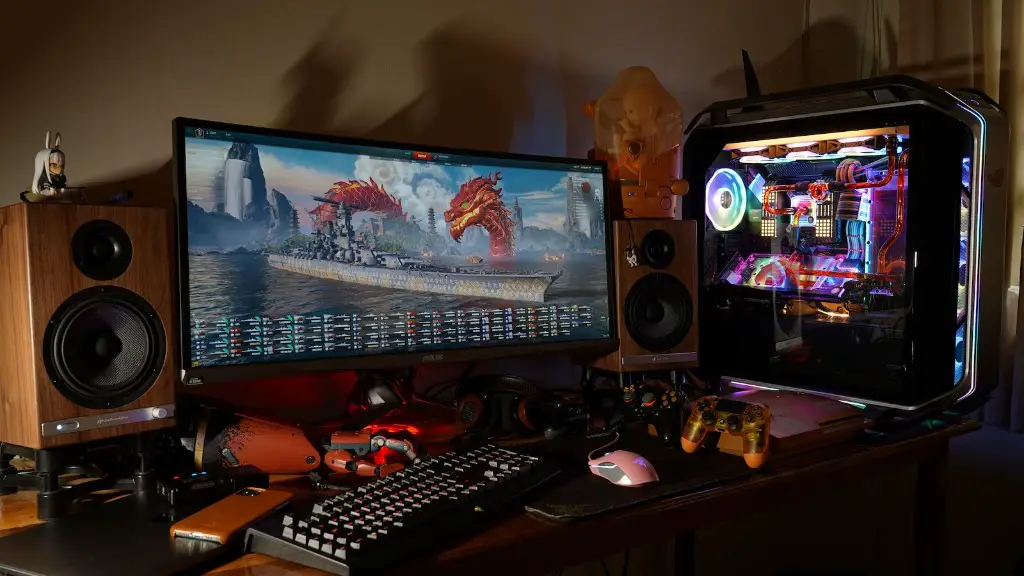
Lastly, create a back-up plan and consider hardware warranties. Keep track of the hardware installation process and set aside any documentation or instructions in case of a malfunction. Additionally, exploring warranties or an extended service plan may be beneficial if the system begins to falter.
Tips for Upgrading an Old PC for Gaming Purposes
When it comes to turning an old PC into a gaming PC, the process will depend on several factors. The most important factor is the hardware and software that is used with the system. Both hardware and software must be up-to-date and compatible with the system in order to maximize performance. Additionally, familiarity with the installation process is essential in order to make sure the parts are installed properly and securely. To ensure success, the following tips should be taken into account.
When researching hardware and software for the upgrade process, be sure to find compatible parts for the system. This means considering the exact specifications of the PC and making sure the parts are of compatible size, specs, and form factor. Additionally, take the time to read reviews and check for updated drivers or operating systems that are compatible with the system. Knowing the compatibility of the parts ahead of time can help save time and money.
Secondly, consider future upgrades. Knowing what parts will be used with the system and how comfortable the user is with tinkering with hardware can help decide if future upgrades are necessary. This may include getting a larger hard drive, more RAM, or more powerful graphics card. Additionally, look into the software and games that may be used with the system and decide what’s best for the ultimate gaming experience.
Lastly, back up important software. Before making any drastic changes, consider backing up the system’s important files and software. Important documents, photos, and software should be backed up to a separate location, either online or to an external hard drive. Ensuring that important files remain intact should problems arise can help prevent a multitude of issues.
Knowing What Parts to Upgrade
Upgrading an old computer for gaming purposes must be done with careful consideration. Knowing what parts need to be upgraded and what games and software are compatible is important in creating the ultimate gaming experience. Here are a few points to consider when deciding what parts need to be upgraded.
The most important factor for creating a gaming-worthy system is the processor and graphics card. Knowing the exact specifications of a system is important in making sure the upgrade is done properly. A powerful processor and graphics card are essential in running the latest games. Additionally, more RAM will help the system run faster and smoother.
A solid-state drive is also essential to performance. SSDs are much faster at retrieving data than traditional hard drives, so installing an SSD may drastically improve loading speeds. An SSD plus a powerful processor can significantly improve performance and make the system much faster. If the budget is tight, installing a high-end graphics card or processor is not necessary.
A new power supply should also be considered. Even if the rest of the hardware is upgraded, an old, outdated power supply can cause hardware malfunctions or performance issues. Many power supplies come with different wattages, so considering a higher wattage device can help ensure that the system runs at its full potential.
Finally, make sure the system is cool and dust-free. Heat is one of the leading causes of hardware malfunctions, so making sure the system is well ventilated and dust-free is essential. Additionally, feel free to overclock the system if it is comfortable to do so. This will give the system more power, but be sure to double-check the compatibility of the parts and ensure the system is cooled properly.
Tips for Optimizing Performance
Once all the parts have been upgraded and the system is ready to go, there are still other steps to take in order to ensure the system runs at its full potential. In order to maximize performance, the following steps should be taken.
First and foremost, check for updated drivers and software. Drivers are pieces of software that often get updated to ensure optimal performance. Checking for the latest versions of each piece of software will keep the system running at its best. Additionally, some games come with their own compatibility settings, so make sure to play around with the settings to get the most out of the game.
Secordly, consider an external hard drive. This will provide extra space and save game files and important documents so they do not get lost or corrupted. Additionally, having an external hard drive can help prevent hardware malfunctions, as all the important data will be secure and separate from the system.
Thirdly, set the computer to use the higher performance power profile. This is especially important for gaming computers, as the higher performance setting will ensure the system runs at its fullest potential. On Windows machines, this can be done by going to the Control Panel, finding the Power Options, and setting it to High Performance.
Fourthly, use a reputable antivirus program to scan the system regularly. This will ensure that any malicious software that may be lurking on the system is eradicated and can help keep the system running smoothly and safely. Additionally, keeping the system free of dust and debris can help performance as well.
Customizing the User Interface for Gaming
Once all the necessary parts have been upgraded, it is time to make the system look the part. Overclocking the system and upgrading the hardware can improve the system’s performance, but customizing the user interface can make it look unique and give it the ultimate gaming feel. Here are a few tips to consider when customizing the system.
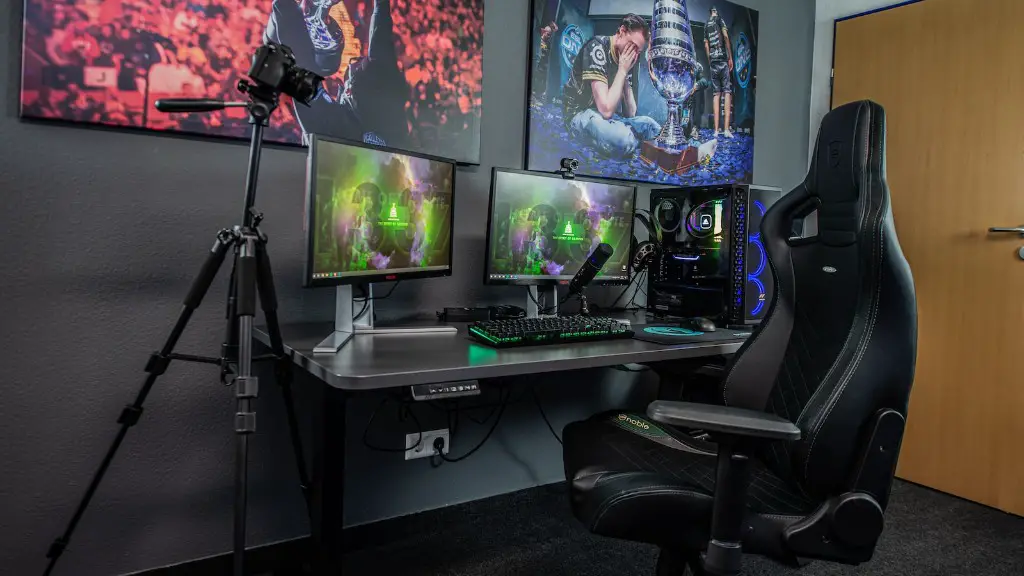
First and foremost, consider changing the wallpaper and desktop icons to something that is gaming related. This can be anything from a picture of the PC’s favorite game to a wallpaper that matches the system’s design. Additionally, the mouse cursor can be changed to something that matches the overall look of the machine.
Secondly, install a custom Lightspeed UI. There are several options available to customize the look and feel of the user interface. Many of these programs come with themes and paneling options, so take the time to explore and pick the one that is best suited for the system. This can also include a custom dock and widgets, depending on the UI program being used.
Thirdly, consider installing a custom sound pack. This can help enhance the overall gaming experience, especially when paired with a powerful sound system. Additionally, look into a custom music player and tweak it to the user’s preferences, such as a jukebox mode that starts playing their favorite music when the game is started.
Finally, consider adding a webcam for streaming sessions. This can help give the machine an extra level of personalization and help enhance the overall gaming experience.