If you’re looking to build a gaming PC for under $100, it’s possible. While it may not be the most powerful gaming PC you can buy, it can still be adequate for some. Here is a brief guide on how to go about building a budget gaming PC for under $100.
The first thing you need to do is research the parts needed. Choose an Intel processor, such as an i3 or Pentium. Try to find a decent graphics card, such as a GTX 1050. Look for deals on RAM, such as 8GB or 12GB, and an appropriate motherboard. Also, consider a low-end power supply.
Next, decide on the case. Depending on your budget, you may need to pick a smaller case. This will save power and provide enough space for the other components. Additionally, you may be able to get an ATX case, which offers more options for components, for the same price.
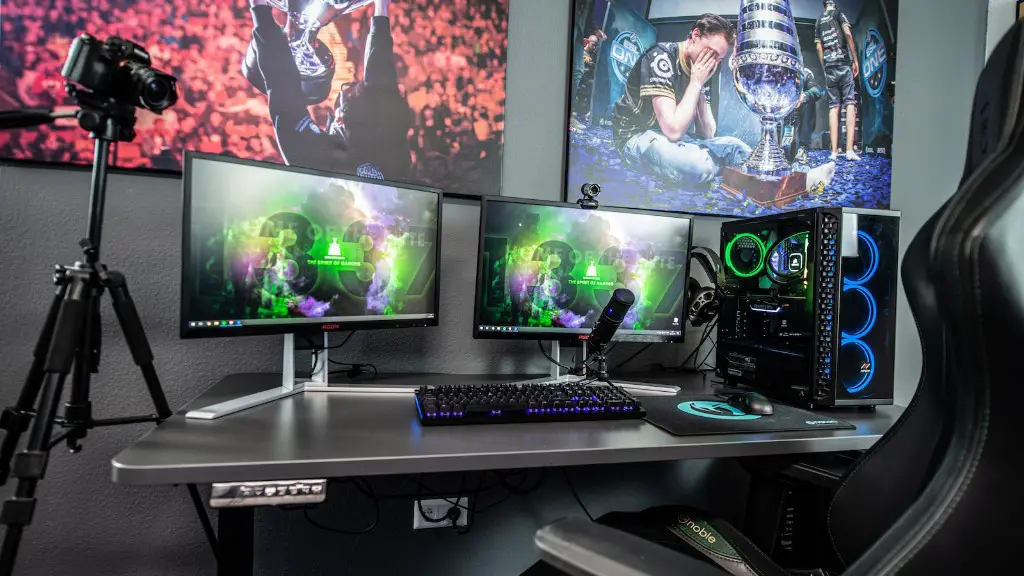
After that, think about the cooling components. A fan or two will help keep your PC from over-heating. Additionally, you may need some heatsinks. If you don’t want to, or can’t, install fans all over the case, try to find a fan with a high CFM rating and a good air flow rate.
Finally, look for deals. It pays to shop around and compare prices, especially when buying components. Sometimes, a single retail store can offer great discounts in comparison to other retailers. If you can’t find a deal, don’t be afraid to buy second-hand components.
Storage
Storage is a key component when building a gaming PC, so you will need a hard drive and/or an SSD. You’ll need to decide how much storage you need, and then factor this into your budget. You could opt for a 128GB to 256GB solid state drive, as this will provide enough space for a few games and applications. For hard drives, 1TB or above should be enough.
Also consider what type of storage you want. An SSD offers faster loading times, but it is more expensive. Alternatively, a hard drive is cheaper but it is a slower option. Consider which is more important for you and factor this into your budget.
You may also need an optical drive. While it won’t improve game performance, it may be useful if you want to install games or burn discs. This can be bought for around $20 or less.
Finally, consider if you need additional peripherals. If you want to use a monitor, keyboard and mouse, these will need to be factored into your budget.
Assembly
Once you have all the components, you’ll need to put it all together. If you have very limited knowledge of hardware and don’t know where to start, it is best to watch a few videos on how to put together a gaming PC. Make sure to use ESD precautions throughout this process.
Additionally, you’ll need to know how to install the operating system (OS). An OS like Windows 10 or Linux can be bought for around $20 to $30. Consider what type of OS you need, and make sure to install it correctly.
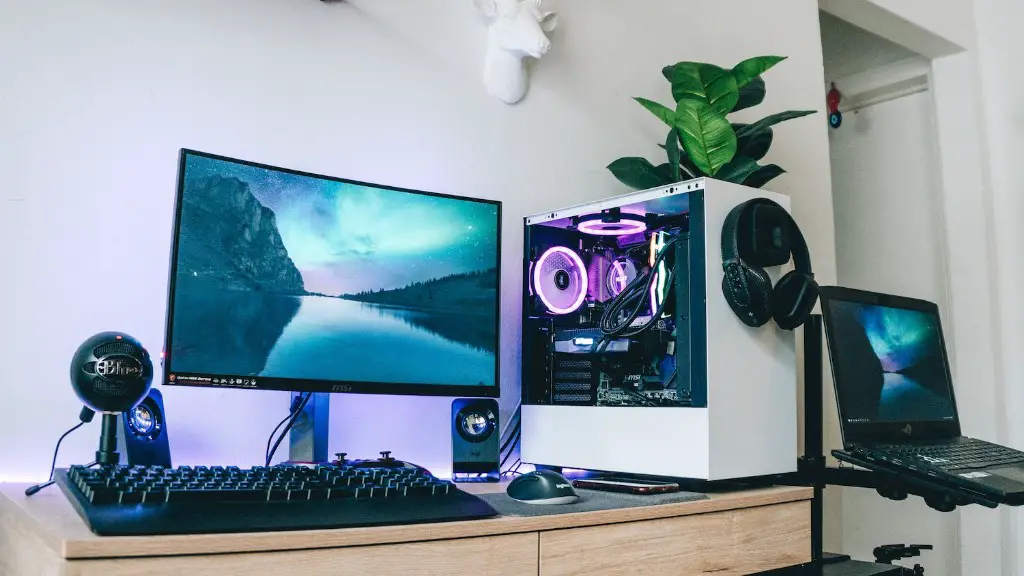
If this is your first build, it would be beneficial to research how to install the various components. Videos are really useful in this regard, so watch a few before starting assembly.
Additionally, make sure to attach the components correctly. You don’t want to accidentally damage the processor or other components, so take your time. Once fully assembled, check that all the parts are in the right place and cable manage the case to reduce clutter and improve air flow.
Testing
Once you’ve assembled your gaming PC, you’ll need to test it. Start by checking that each part is working correctly, especially the fans and the power supply. You can easily do this by connecting them to a power source and verifying that they are working.
Next, install your OS and any drivers. Make sure to install any anti-virus software and other applications to ensure your PC is secure and running optimally. Once achieved, run some tests such a benchmark tests to gauge performance.
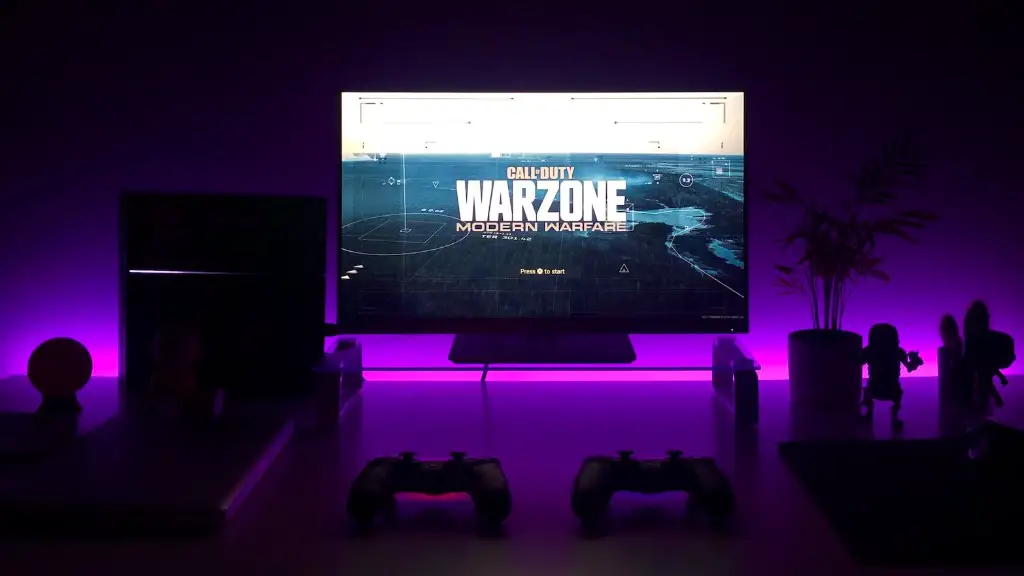
If all is functioning as it should, it’s time to start gaming. Install some games to check that gaming performance is as expected. Take your time on this step, as it is difficult to gauge performance without playing games.
Finally, consider additional optimizations. This may include tweaking settings, overclocking components, or installing software. Once complete, you can start gaming on your budget gaming PC.
Extra Components
If you need other peripherals, these can be bought for a relatively low price. Gaming controllers, for example, can be bought for around $20 or less. The same can be said for headsets and a microphone.
If you don’t have a monitor, this can be bought for around the same price as well. TV screens are usually cheaper than computer monitors, but they don’t usually offer the same performance. Keep this in mind when searching for monitors.

You may also need to consider a Wi-Fi adapter and a modem or router. You’ll need to research the cheapest options, as these can all add up and put you over $100.
Finally, consider additional items such as bags, desk mats and cable ties. Cable ties can be really useful in managing cables and keeping your PC tidy. Desk mats keep dust off the components and can make it easier to upgrade the PC in the future.
Refurbished Components
It’s also possible to buy refurbished components for an even lower price. Refurbished components have been returned and tested for full functionality. This process can easily reduce the budget. It is worth considering this option, as some refurbished components can offer great performance for a low price.
However, it’s important to research the history of any refurbished components you’re considering. Make sure that the part has no history of problems and check for any warranties. If you’re unsure, try to search for reviews or ask questions to other users.
Finally, remember to factor in taxes and shipping costs. These can quickly add up and put you over budget. Also, these costs can make it hard to differentiate between an item actually being cheaper and just including some extras.
Conclusion
In conclusion, it is possible to build a gaming PC for under $100. You will need to plan out the parts carefully and research any deals or additional components. Additionally, you may want to consider buying some second-hand or refurbished components to save even more money. Moreover, factor in taxes and shipping costs, as these can quickly add up. With the right components, you can have a decent budget gaming PC for under $100.
