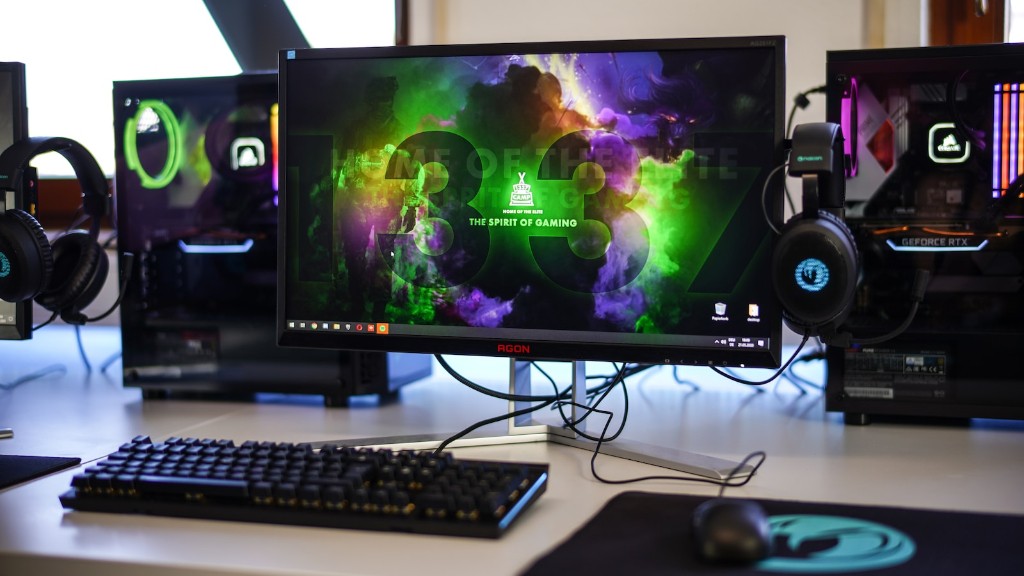
When it comes to building an ultimate gaming PC, the right PSU (Power Supply Unit) is essential. A quality PSU will ensure everything else on your gaming PC operates efficiently and safely.
Here’s what you need to know. A PSU, also known as the power supply or power block, provides power to every component in the gaming PC—from the processor to the graphics card to the memory and storage. A quality PSU must be able to safely deliver enough power to meet the needs of each component in the gaming PC.
There are a few important features to consider when choosing a gaming PSU. It should have the correct wattage for the components you plan to install. It should have the correct cables and connections. And, it should have enough wattage headroom for future component upgrades. In addition, a PSU should have an efficient operation rating, usually between 80% and 300% for gaming PCs.
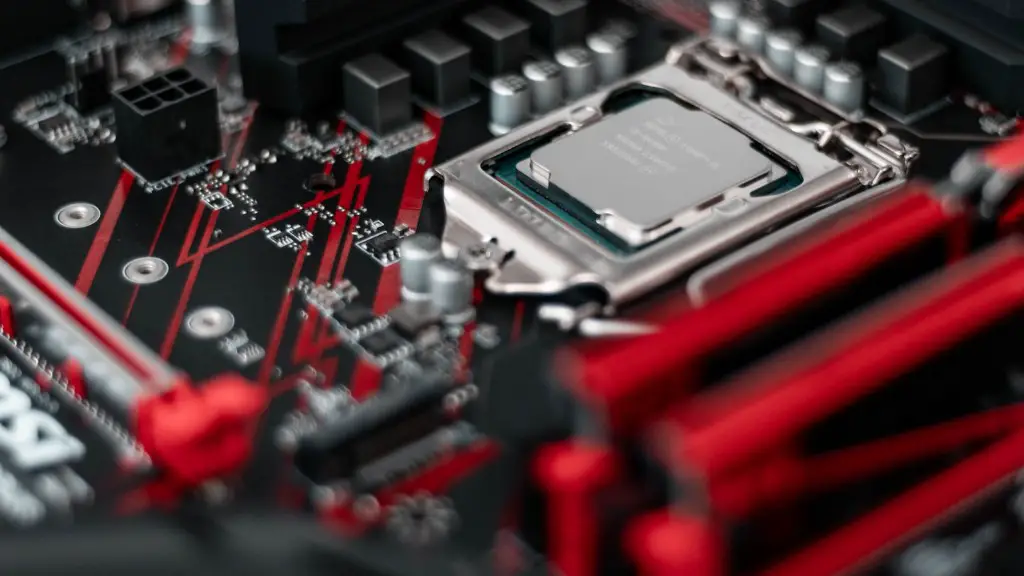
When selecting a gaming PSU, look for a well-known brand that is certified for high quality and reliability. Pay attention to the type of cables and connections—you should choose the ones that are most compatible with your motherboard, processor, and other components. Finally, consider getting an efficient model to save on energy costs in the long run.
The bottom line is that a gaming PC should not be built without a quality PSU. High-performance hardware won’t perform as intended without a reliable power supply to back them up.The right PSU can make a huge difference in the performance of your gaming PC, so be sure to invest in one that can meet the power needs of your components.
Factors to Consider When Choosing a PSU for Gaming PC
When choosing the right power supply for your gaming PC, there are several factors to consider. First, consider the type and number of connectors your graphics card, CPU, and motherboard require and choose a power supply that matches those needs. Secondly, look for wattage output—choose one that provides enough reliable wattage to power your hardware. Lastly, consider the extra wattage capacity you need for future upgrades.
The type of power supply unit you choose is also important. There are two main types—ATX or SLI. ATX is the most standard type and is best for beginner gaming PCs. SLI is the more expensive type and is recommended for advanced gamers with multiple GPUs. All ATX power supplies are compatible with most PC components, but SLI power supplies may require special adapters.
In addition to type, be sure to look for quality components. Look for a power supply that has top-notch capacitors, power regulation, and additional protections such as overvoltage and overpower protection. This will ensure that your PC is protected from power surges and is protected from any power problems.
Finally, the warranty is an important factor. The more protection you get with a warranty, the better. A higher-end power supply will usually offer a longer warranty than low-end units. Be sure to read the warranty fine print before you make a purchase.
Advantages of Having a Quality PSU
A quality power supply unit will provide many advantages to your gaming PC. First and foremost is reliability—a good PSU will keep your system running smoothly and provide steady power to all your components, helping prevent power surge damage. Secondly, it will help save you up to 30% in energy costs, as a good PSU will be efficient and use less electricity to power your system.
Also, a good power supply is quieter and more durable. This is especially important for gaming PCs as loud fans can really take away from the gaming experience. Finally, a good PSU will last longer. The better the quality, the longer it’s likely to last and even provide you with more wattage headroom for future upgrades.
What to Look for in Reviews of Power Supply

When researching power supply units for your gaming PC, it pays to read reviews. Start by reading reviews from reputable tech sites such as Anandtech, Tom’s Hardware, and PC Magazine, who test and review products extensively. Next, look for customer reviews on sites such as Newegg, Amazon, and TechPowerUp.
When reading reviews, pay attention to several key features, such as wattage output, cable quality and compatibility, reliability, warranties, and noise levels. This will help you determine the best power supply for your gaming PC needs.
Tips on Installing the PSU
If you’re doing the power supply installation yourself, here are some tips to get the job done right. First, make sure you have the right tools for the job. You will need an ATX power supply, an ATX Power Connector, an appropriate power cable, and a phillips head screwdriver.
Before you start, make sure to ground yourself by wearing a static-protective wrist strap. This is to prevent any static electricity from damaging your components. Next, make sure all your components are powered off and disconnected from the unit.
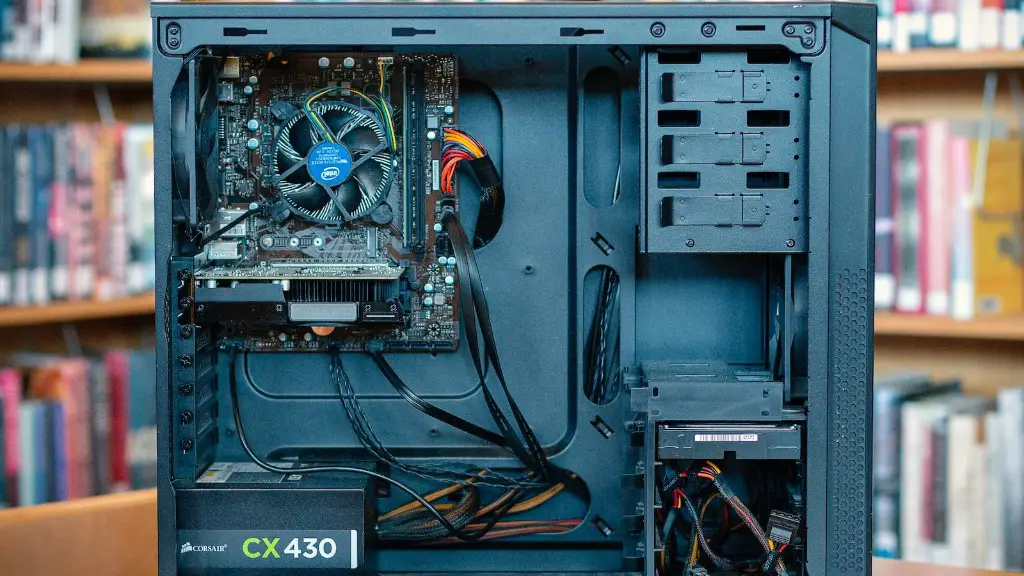
Now you can begin the installation. Make sure to insert the power supply into the appropriate slot and secure it with the standard screws. Then attach the power cable to the power supply and to the main power switch on the unit. Finally, connect all the power cords to their respective components and you’re good to go.
Things to Remember when Using Your PSU
Now that the right power supply unit has been installed and connected, here are some tips to help keep your gaming PC running safely and efficiently. First, make sure to monitor your system’s power usage to prevent overtaxing your power supply. You can use a power meter to see how much electricity is being used and make adjustments accordingly.
In addition, make sure to check the power supply voltage and temperature from time to time. Keep in mind that both can affect your system’s performance and cause overheating, so be sure to adjust accordingly. And finally, do a regular check for faulty connections and replace any components or cords if necessary.
Overall, having the right PSU for your gaming PC is essential. It will help keep your system running smoothly and can even save you money in the long run. Be sure to get a quality unit that meets your gaming PC needs and follow the tips above to keep your PC running safely and efficiently.
