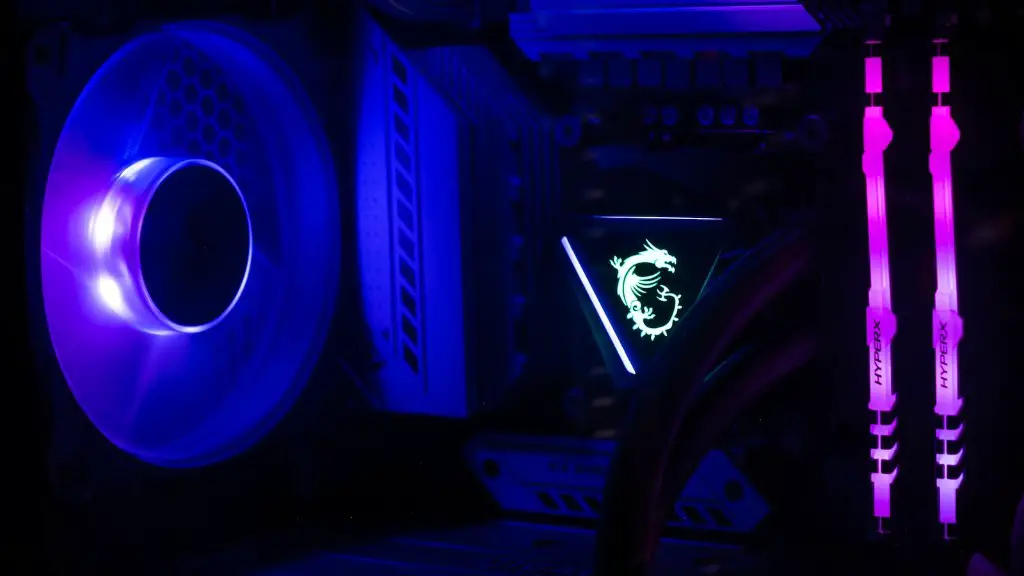
There is no doubt that choosing a gaming PC motherboard is a challenging task. With so many options on the market, it can be hard to make an informed decision. It is important to understand what components are necessary for a gaming PC build and how they interact with each other. This article outlines some key considerations to help prospective PC builders make the best choice for their gaming setup.
Size and Shape
First and foremost, it is important to make sure the chosen motherboard will fit in the desired case. It is advisable to measure the available space so that the selected motherboard falls within the limits. Additionally, not all motherboards are uniform in shape, as some may have various cutouts or connectors to accommodate additional components. It is advised to check if the selected motherboard is likely to fit with ease.
CPU Socket and Chipset
The CPU socket and chipset of the motherboard go hand in hand and have a major bearing on the performance and capabilities of the PC. If a specific processor or graphics card is desired, then it is essential to ensure compatibility with the motherboard. Most compatible motherboards will come with the correct CPU socket, so research in this direction is advisable. The chipset also dictates the number of PCI-E ports available, which relates to the number of additional graphics cards that can be connected.
Memory and Storage Options

When it comes to memory, the two main factors to consider are the RAM type and the slots available. It is important to ensure there is enough space on the motherboard to install the desired amount of RAM. Similarly, depending on the requirements, it may also be necessary to check the available storage connections. An array of options such as SATA, M.2 and NVMe will need to be confirmed as suitable for the build.
Connectivity Options
The selection of ports available on the motherboard also need to be taken into account. This is especially pertinent if more than one graphics card is to be installed. If a gaming monitor has additional features such as USB ports, then these would need to be compatible with the ports provided on the motherboard. Similarly, if Wi-Fi is to be included in the build, then suitable ports must be present.
Audio Quality
Audio is a key component to gaming and as such, the onboard sound system needs to be considered. If only basic audio quality is required, then there is usually a simple onboard audio solution incorporated on most motherboards. For the optimum sound experience, however, an additional sound card should be installed. Additionally, there may be cases where a surround sound system is to be used and thus, the correct ports must be available.
Durability and Reliability
Finally, when it comes to purchasing a motherboard, it is important to know what kind of protections are in place. It is advised to research the vendor in terms of warranties and customer service. Furthermore, it may be beneficial to check the reviews for the specific model to gain an overall understanding of the motherboard’s capabilities and level of durability.
Factors Affecting Price

When it comes to choosing a gaming PC motherboard, the cost is always a major factor. It is not just the initial purchase price that should be taken into account, as some motherboards may be better suited in terms of overall value and potential longevity. This can be achieved by weighing up all the factors and assessing the cheaper, mid-range and expensive options.
Range Of Choices
Before selecting a gaming PC motherboard, it is always worthwhile to thoroughly research the available products and compare the features. With so many vendors and models, there is no shortage of options. From budget to mainstream and from gaming to professional, there are boards suitable for different budgets. There is also a vast choice of compatibility options, in terms of CPU sockets, chipset, RAM and storage.
Finding The Right Balance
Before committing to a purchase, it is important to consider all the key components and how they interact. A balance must be achieved between the needs of the gaming PC, the budget and the desired aesthetics. Choosing a gaming PC motherboard requires research and a certain level of foresight, as this component is at the heart of the PC build and will be responsible for pushing its performance to the limits.
Features Of Choice Motherboard
When shopping for a suitable motherboard, the features provided need to be considered in order to determine the best fit. For gaming PCs, for example, features such as multiple graphics card support, high RAM frequency, robust power delivery and overclock support will be most beneficial. In addition, the layout of each motherboard is different. Certain layout-specific features such as fan connectors and USB ports should also be considered.
Look for Specific Characteristics
Finally, it is necessary to determine the desired characteristics of the motherboard. Whether or not the board has multiple M.2 slots, the number of SATA connectors or the audio solution present are all factors to take into account. An individual should analyse the needs and preferences in order to make an informed decision.
