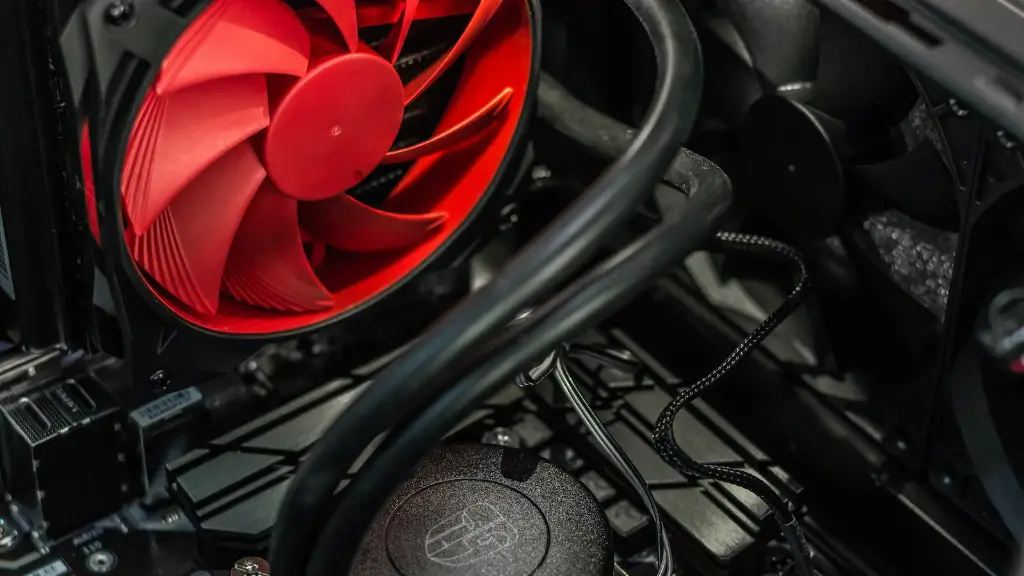
Having the right components for your gaming PC is essential for playing games successfully, but knowing how to hook up a monitor to a gaming PC is key to playing those games to the highest level. The process is relatively straightforward and simple, but there are still a few steps to take to ensure you get the best gaming experience. Here’s how to hook up a monitor to a gaming PC:
Firstly, you’ll need to connect the display port cable to your graphics card. Locate the connection on the back of your graphics card and plug in the appropriate cable, depending on the port type. Once the connection has been made, turn the graphics card on and ensure the cable is firmly in place.
Next, you’ll need to attach the monitor to the computer. Connect the monitor’s power cable to the power supply, then connect the monitor to the graphics card via the display port or a HDMI cable. Some monitors even have USB-C ports for easy connection.
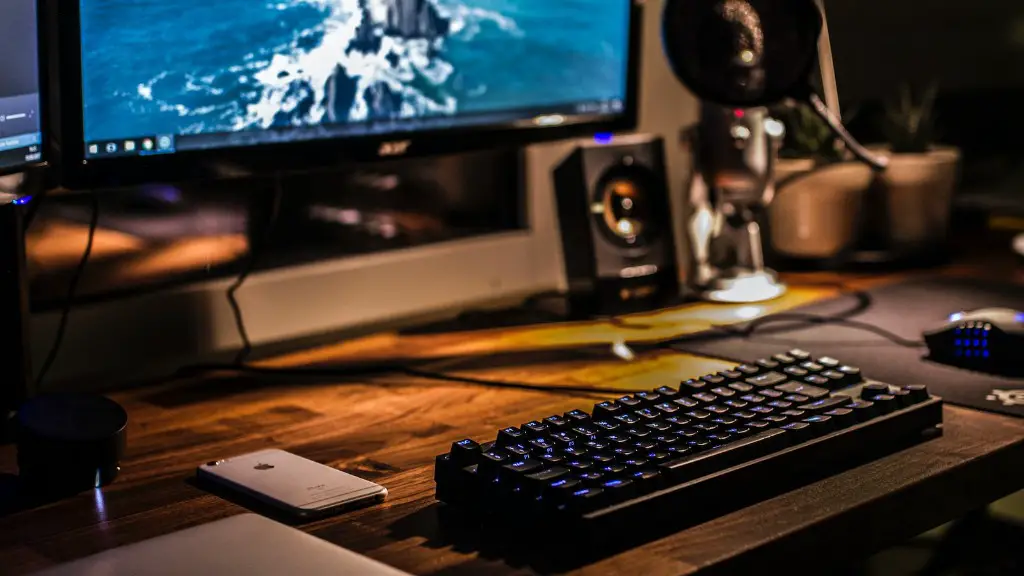
Thirdly, you’ll need to set up the monitor itself. Once it’s connected, turn it on and wait for the display to appear on your screen. Then, navigate to the control panel of your monitor and adjust the settings until you find a configuration that’s comfortable for you.
Fourthly, you’ll need to configure the graphics settings on the computer. Go to the graphics card’s control panel and adjust the settings to customize the graphics according to your preferences. This includes things like resolution, refresh rate, and other video-related settings.
Fifthly, you’ll need to check if your graphics card is compatible with the monitor. Make sure that you have all the necessary cables and adapters that you may need, such as a DisplayPort to HDMI adapter, and that they are in good working condition.
Finally, you should test to make sure that everything is working properly. Try playing some games or running a few benchmark tests to ensure that the system runs smoothly and without any visible signs of lag or other issues.
Advice for Gaming
Once you have hooked up your monitor to your gaming PC, there are a few things you can do to enhance your gaming experience and make sure you get the most out of your hardware. First of all, you should invest in a good quality keyboard and mouse. This will not only give you more precise control of your game, but it will also make it easier to use different commands and shortcuts.
You should also invest in a gaming headset, so that you can communicate clearly with your team mates and enemies during multiplayer games. Make sure that the headset is compatible with your computer, and adjust the settings so that it provides the best possible audio quality.
If you are playing on a laptop, you should consider investing in a cooling pad or laptop stand. This will help keep the laptop from overheating and ensure that the components are functioning at peak performance. You should also consider investing in a gaming chair to provide a comfortable and ergonomic experience for prolonged gaming sessions.
Finally, make sure that you have all the necessary software and drivers, such as GPU drivers and game patches, so that your computer and monitor are running optimally. Keeping up-to-date on patches and updates can help ensure that you get the most out of your gaming experience.
Monitor Specifications
When buying a monitor for a gaming PC, there are a few things to consider. First, you will want to make sure that it has a high refresh rate and a low response time. These two specifications will help ensure that the image on the screen is smooth and responsive with minimal motion blurring.
You will also want to consider the resolution of the monitor. For gaming, you should look for a monitor that has a high resolution, such as a 4K or 1440p panel. Finally, you should consider the size of the monitor, as a larger screen can provide a more immersive gaming experience.
Another thing to consider is the input lag. Make sure that you are buying a monitor with a low input lag, as this will ensure that there is minimal delay between your input and the action on the screen. This is particularly important for fast-paced games.
Finally, you should also pay close attention to the connectivity options of the monitor. Make sure that it has the ports you need, such as DisplayPort, HDMI, or USB-C, in order to connect the monitor to your system.
Troubleshooting Common Issues

When setting up a gaming PC, there are a few common issues you may encounter. If the image on the screen is distorted or pixelated, it could be an issue with the video-cable. Make sure that all the cables are securely and firmly connected.
If the screen remains black after startup, it could be an issue with the graphics card. Try disconnecting the monitor from the graphics card and reconnecting it to make sure the connection is secure. If that doesn’t work, try reseating the graphics card by removing it from the system and plugging it back in.
If you encounter any software-related problems, such as the graphics settings not working, make sure you’ve installed the latest GPU drivers and Windows updates. If that doesn’t work, try rolling back the drivers to a previous version. You may also consider running a virus scan and malware check to ensure that your system is healthy.
Finally, if you are having trouble connecting your system to the network, make sure that your network settings are correctly configured and that you have the right IP address.
Tools and Accessories
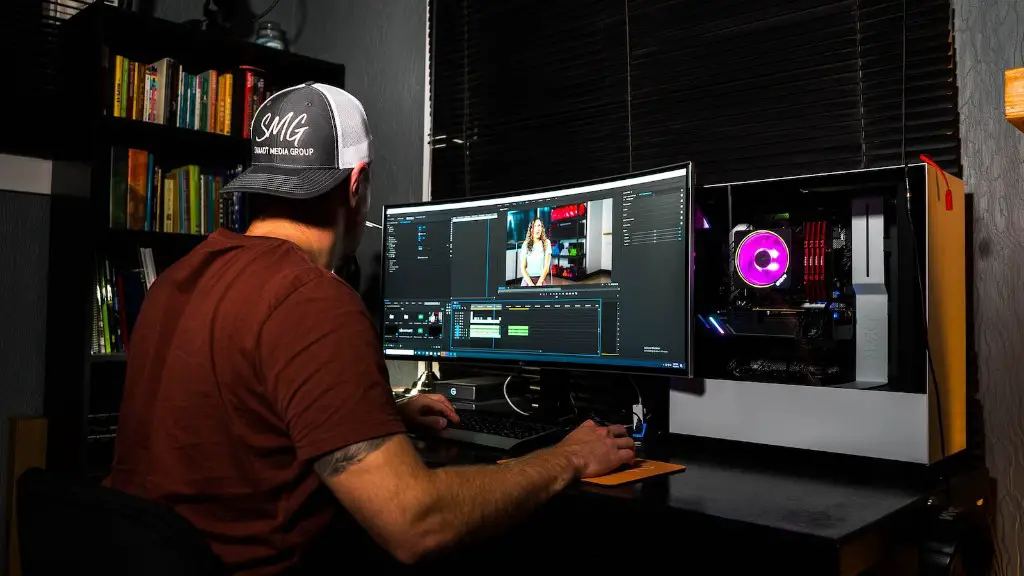
In addition to the right hardware, there are a few tools and accessories that you should consider investing in to enhance your experience. One of the most important is a surge protector, which will protect your PC and monitor from unexpected power surges.
You should also consider investing in a gaming desk, as this can provide you with additional space to store your other gaming peripherals and accessories. For example, you can attach a mousepad and headphone stand to the desk for added convenience.
A good gaming chair is also essential for comfortable and prolonged gaming sessions. Look for one that is adjustable and ergonomically designed, so that you can position it for maximum comfort.
You may also consider investing in a USB hub to provide more connections for external devices. This can be useful for connecting multiple monitors or connecting external storage devices.
Finally, a good pair of speakers or headphones can provide an immersive audio experience. Look for ones that are compatible with your system and make sure that they are adjusted and configured correctly.
