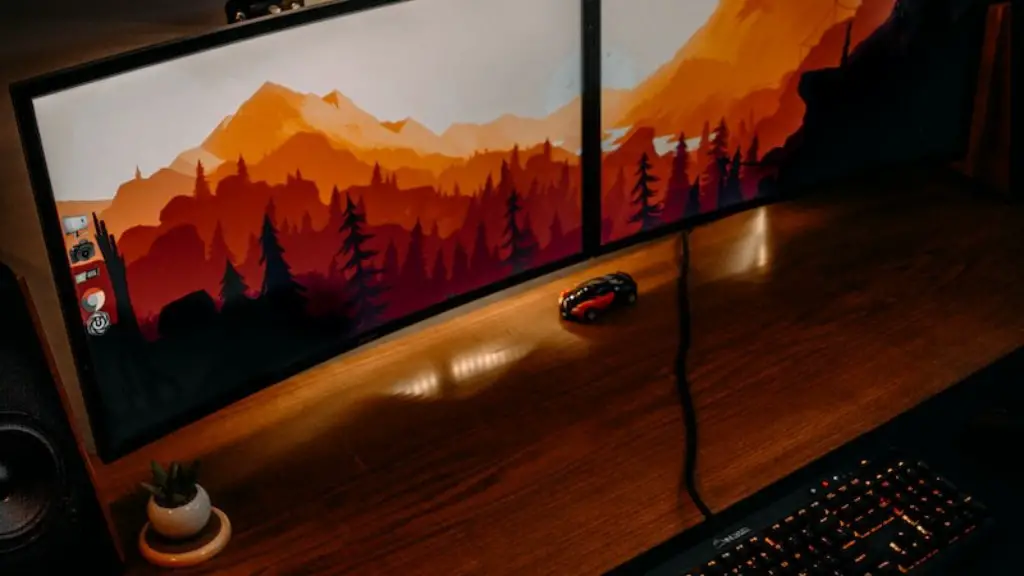
Getting a gaming PC can be an exciting, yet confusing experience. To avoid the frustration of buying the wrong PC, it’s important to know what to look for when choosing a machine. Here’s a guide on how to get the perfect gaming PC.
First and foremost, decide what you’re using the PC for. If gaming is your only purpose, you’ll need to find something that suits your budget and gaming needs. On the other hand, if you’re into more advanced activities like video production or 3D rendering, you’ll need a higher-end machine. Knowing this from the start will help you narrow down your options.
Next, make sure you’re selecting the right hardware components. The CPU and GPU are the two most important components in your gaming PC. Pick a CPU that strikes a balance between performance and power-efficiency. And for your GPU, make sure it’s compatible with the latest games and graphics APIs. Beyond that, look for good RAM, a solid-state drive, and a quality power supply. Keep an eye on the specifications regarding these components, so you don’t buy anything that’ll be obsolete in a year.
It’s equally important to find a PC chassis that looks and feels good. There’re tons of options out there, each featuring its own design, color scheme, and cooling capabilities. Manufacturers are regularly releasing new PC cases, so you’ll need to look around to find the one you like. Most importantly, make sure whatever case you choose has enough internal space to accommodate all of your components.
Once you’ve settled on your hardware, you need to install Windows or another operating system. This process is relatively easy and can be done by downloading a copy of the OS from the internet. If you want to double check your setup and make sure everything is connected correctly, use a program like OCCT to diagnose any hardware issues.
Finally, make sure you’re buying from a trusted source. Take some time to research the shop and check out any customer reviews. If you’re planning on buying a pre-built machine, you should find out as much as you can about the manufacturer, as this could affect your purchase and the after-sales service you’ll get.
CPU and GPU
When shopping for the right components, paying attention to the CPU and GPU requirements is essential. High-end graphics cards are suitable for gaming, and are great for tasks like 3D rendering or video editing. If your budget is somewhat limited, you can go for efficient processors like the AMD Ryzen 3 3200G. It’s also a good option if you’re just getting into PC gaming.
At the same time, if you’re after a more powerful machine, the AMD Ryzen 5 3600 or an Intel Core i5 processor will deliver outstanding results. This will allow you to achieve excellent gaming performance, as well as proficient DAW and CAD software performance. When it comes to the GPU, the Nvidia RTX 2060 is a good mid-range choice, while the RTX 2080Ti is a suitable option for the most demanding tasks.
These days we can also find GPU combos like the Nvidia RTX 2070 Super and the AMD Radeon RX 5700 XT. These are designed to offer best-in-class visuals, allowing you to enjoy your gaming sessions at maximum fidelity. However, if you’re interested in more advanced activities like 3D modeling, ray-tracing, or VR, you’ll need an even higher-end graphics card.
Overall, it pays off to spend some time looking for the right hardware components for your gaming PC, as it affects how the machine will perform. Selecting the right hardware will make a world of difference and will give you a sense of satisfaction.
PC Cases
Choosing the right PC case can be a daunting task. You’ll have to consider size, ventilation, and aesthetics, to name a few. It’s important to make sure the case allows your components to cool properly, as this will improve their performance. Different cases offer various levels of thermal dissipation and airflow, so you’ll need to look into these details beforehand.
When deciding what case to buy, start by considering the main aesthetics. We now have several types of PC cases, ranging from minimalist and sleek designs to full-towers with RGB lighting. Ultimately, it all comes down to personal preferences. Some people will like a mini-tower case for its clean, unassuming design, while others prefer larger options with a lot of flashy features.
Another important thing to keep in mind is the support for high-end hardware. If you plan on installing components such as powerful GPUs, you’ll need to look for a case with plenty of room, good airflow, and support for large radiators. Keep in mind that full-tower cases are more suitable for big hardware, as their shape and construction allow for wide GPU clearance and tool-free installation.
Once you’ve settled on the case size and design, consider the accessories it comes with. From built-in RGB panels, to dust filters and fan controllers, many PC cases come with additional features that can make your experience smoother and more pleasant. If you’re ready to invest in a gaming rig, make sure you get the right case to bring your system to life.
Operating System
The operating system (OS) is a crucial part of any gaming PC. Without it your machine would be unable to run any of your gaming games or perform any other activities. There are multiple options to choose from, with Windows being the most popular. For those seeking out the latest gaming technologies, Windows 10 is a good choice.
Windows 10 offers plenty of gaming features, such as variable refresh rate (VRR) and DX12 Ultimate, which are extremely important for gaming in 2021 and beyond. What’s more, it also allows you to stream your games to various platforms, such as Steam, Xbox, and Google Stadia, so you can play your favorite games on any device.
Alternatively, if you don’t own any games or don’t play often, you can opt for a Linux-based OS. This type of system won’t require any licensing fees and will provide you with the possibility of tweaking your system for better performance. There are many Linux distributions out there, like Ubuntu and Manjaro, which come packed with a lot of gaming-friendly features.
If you’re on a tighter budget, it may be more cost-effective to purchase an OEM license of Windows 10. This will give you access to all the features Windows 10 has to offer, but for a fraction of the cost. In any case, when selecting an OS, make sure you look into its capabilities, so you can choose the right one for your gaming PC.
Where to Buy
After deciding on all the hardware parts you need, it’s time to think about where to buy your components. This can be a tricky decision, as you’ll want to get all the necessary parts from a credible and reliable source. Popular websites like Amazon offer a wide selection of components and offer fast delivery, so they’re usually a great option.

However, if you’re after more niche components, you may want to look into specialty stores. Local computer shops may have better prices and a wider range of options to choose from. Some stores can even build the pc for you on your behalf, which can save you a lot of time and trouble. Finally, if you’re looking for an all-in-one gaming PC, you can look into PC manufacturers to find the best solutions.
These days, manufacturers like HP, Acer, and ASUS offer great gaming rigs. Check online reviews and compare specs and pricing to make sure you’re getting the right machine for your needs. What’s more, buying from a recognized brand could mean you get better customer support and a better warranty plan for your purchase.
Testing
Once you’ve built your gaming PC, it’s crucial to test it and make sure it’s functioning properly. If you want to test your system from the get-go, use a benchmarking program like 3DMark to check the performance. This will help you determine how the build you’ve created is performing in terms of 3D graphics and visuals rendering.
You can also use software like OCCT or Prime95 to put your hardware under greater strain. This is a great way of testing your system and helping you find any bottlenecks or stability issues. It’s also a great way of ensuring your PC is running optimally before you begin playing your favorite games.
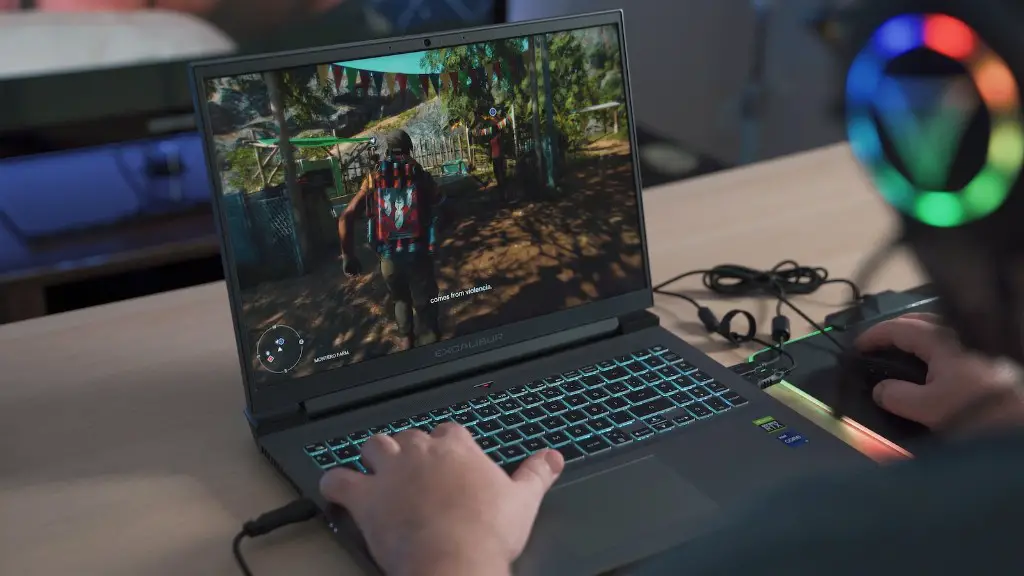
If you’re using a laptop, it’s equally important to make sure the cooling system is working properly. For this, you can use a program like FurMark to check the performance of the video card and the cooling system. This can be extremely useful as it can help you spot any overheating issues and make sure everything’s functioning as it should.
Finally, if you’re after better performance and stability, there are several options for overclocking. This process can help you push your system to the next level by optimizing its components. However, remember that overclocking is something that should be done with care, and it’s always best to work with a professional if possible.