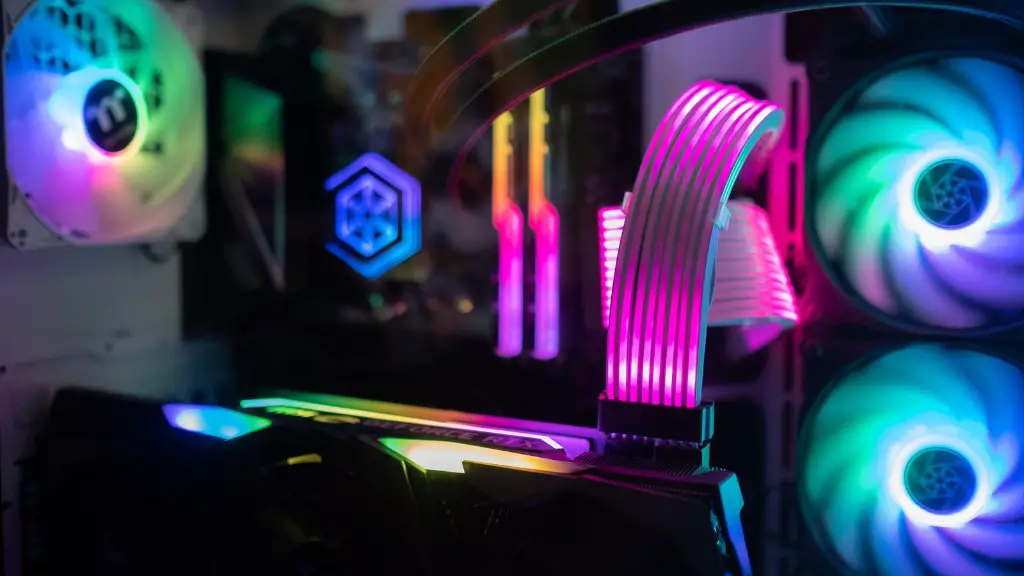
Keeping your gaming PC healthy is essential for getting the most out of it. With some basic care and maintenance, your computer can run efficiently and smoothly. Here are some tips to keep your gaming PC healthy:
1.Install Antivirus Protection: Install a trusted antivirus program to protect your gaming PC against viruses and malware. Remember to regularly update it to keep your system secure.
2.Restrict Background Applications: Running too many applications at once can decrease your computer’s performance. Close any unnecessary or unwanted programs before you start gaming.
3.Check Your System for Errors: Using a PC optimization software or PC repair tool, check your system for errors like broken registry entries, errors in hard drive, and invalid shortcuts. These errors can cause your computer to run slow.
4.Defragment Hard Drives: Defragment your hard drive on a regular basis to keep your PC’s hard drive from becoming fragmented. This will help reduce overall computer slowness.
5.Clean the Exterior: Use a mild soapy solution and a soft cloth to wipe down your computer’s casing to keep it looking good and clean.
6. Upgrade Drivers: Make sure your system drivers are up to date, as old drivers can cause system slowdowns. Use a driver update tool to update all your drivers at once.
7.Check Your Computer’s Temperature: Make sure that your computer is not overheating by regularly checking its internal temperature. Too high of temperatures can cause hardware failure or decrease the lifespan of your computer.
Clean the Interior of the PC
To keep your gaming PC healthy, it’s important to clean the interior periodically. Over time, dust and dirt buildup can cause your PC to overheat. Be sure to use compressed air or anti-static cleaning liquids to clean the inside of your gaming PC. Be careful not to touch any internal components with your bare hands, as this can damage them.
Also remember to inspect the interior components of your computer. Make sure all the fan connectors are firmly in place and that all the wires are properly connected. Any loose wires can cause your PC’s performance to suffer.
Finally, clean your gaming peripherals, like your mouse and keyboard. Dust accumulation can cause issues with your equipment, impacting input accuracy and overall performance.
Check for System Performance Issues
If your gaming PC is suffering from stuttering in-game or your games are no longer running as smoothly, it’s time to check for system performance issues. PC optimization software can easily help you identify potential performance issues and help you fix them quickly.
The performance of your gaming PC can also be impacted by high CPU and RAM usage. If you find your PC to be running slowly and you’ve already tried cleaning it, then it’s time to upgrade the components of your system. For example, if your RAM is running out of space, it’s time to purchase more RAM.
Finally, you can manually adjust the graphics settings of your games to see if that improves performance. Some games may look visually better if you lower the graphic settings, but if this improves performance, then it’s a tradeoff you’ll need to decide if you’re willing to make.
Secure Your Data and Files
To keep your gaming PC secure, you’ll want to protect your personal data and files from attack. Install a trusted anti-malware program, which will help you detect any malwares or viruses on your system.

In addition, make sure to regularly change your passwords for all your accounts. This will help keep your information secure in case of a breach. Additionally, consider using a password manager to help you manage your account passwords and make them harder to guess.
It’s also important to backup your data on a regular basis. This can save you from potential data loss in the case of hardware failure or other issues. You can easily store your files in an external hard drive or a cloud storage service.
Keep Your Operating System Up to Date
It’s important to keep your operating system up to date with the latest security patches to make sure your gaming PC stays safe. Use Windows Update to check for and download new security patches as soon as they are released.
Also make sure to update any device drivers that are necessary for your games to run properly. This can help prevent system or game crashes. You can manually look for device driver updates or use a PC optimization tool to easily check and update them.
Finally, uninstall any unnecessary apps and programs that are installed on your PC. This will free up some space and can lead to better performance for your gaming PC.
Protect Your PC from Power Surges
Power surges can seriously damage your PC, leading to hardware failure or data loss. Consider investing in a surge protector to shield your computer from power surges. A surge protector will help protect against sudden spikes in electricity that can cause your computer to not function properly.
It’s also important to make sure your gaming PC is plugged into a power source with a steady voltage. Plugging your PC into a power source that goes up and down in voltage can cause problems with the hardware and performance.
Finally, try to avoid using any third-party hardware with your gaming PC. This includes external hard drives and other peripherals, as they may contain old firmware and drivers that can affect the performance of your system.
