When it comes to finding a good gaming monitor on a budget, there are several factors to consider. The size, resolution, refresh rate, response time, aspect ratio, as well as any additional features are going to be important. Understanding your budget before looking at the different parameters of a gaming monitor can help you narrow down the options.
Price is the primary consideration for any gaming monitor, and the larger your budget the more features you are likely to get. If you are tight on budget, you’ll want to focus on the essential features, such as a suitable refresh rate and width. For example, a 27-inch 1080p monitor with a 60Hz refresh rate is a good starting point.
Response time is also an important factor to consider when selecting a budget gaming monitor. A fast response time will help reduce image smearing, ghosting and blur while gaming. Aim for a 4ms or less response time and a 1ms response time can provide a more immersive and smoother gaming experience.
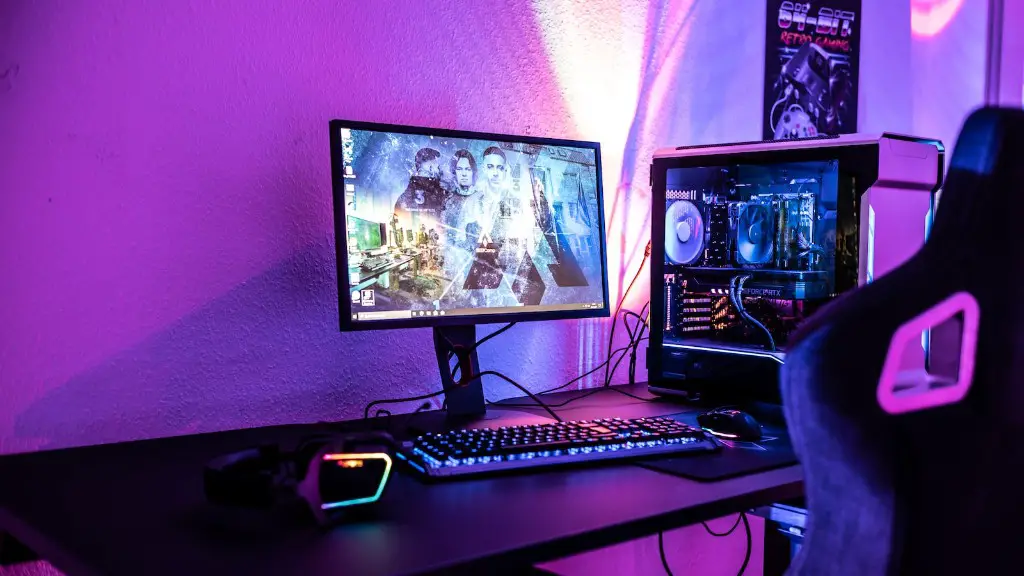
The refresh rate is another important feature when looking for a gaming monitor on a budget. A refresh rate of at least 60 Hz is recommended for casual gamers, but consider a higher refresh rate if you play games such as first-person shooters. A 144Hz refresh rate can provide a noticeable boost in responsiveness.
If your budget allows, consider investing in a curved gaming monitor. Curved gaming monitors provide a more immersive gaming experience, and their viewing angles are typically better which can be helpful for long gaming sessions.
Finally, other features such as panel type, adaptive sync support, HDR, and built-in speakers should be taken into account if you have the additional budget for them. Be sure to check reviews to get a better sense of the monitor’s overall performance and see if it’s worth the price before you make your purchase.
In conclusion, when looking for a cheap gaming monitor there are several factors to consider, like size, resolution, refresh rate, response time, aspect ratio, and any additional features. A larger budget will allow you to get more features, but even on a tight budget it’s possible to find a good gaming monitor.
Resolution
The most common resolution for gaming monitors is 1080p, but other resolutions are worth considering. 4K is the highest resolution currently available, offering 8.3 million pixels, but it’s an expensive option. A mid-range 1440p resolution offers a good balance between performance and affordability and is becoming increasingly popular for gaming and other multimedia-driven tasks.
Without a 4K resolution and faster refresh rates, gamers may be able to get away with a 1080p resolution. However, if you intend to play newer and more demanding titles, you’ll need to invest in a 1440p or 4K gaming monitor.
If you opt for a higher resolution, make sure to invest in a powerful graphics card that can handle the increased performance requirements for 4K, as well as the other associated components. Buyers should also consider investing in multiple, high-quality gaming monitors if the budget allows, as this is increasingly becoming popular among gamers.
Aspect Ratio
When selecting a gaming monitor, buyers should also consider the aspect ratio. The vast majority of gaming monitors are 16:9, but 21:9 and 32:9 are becoming increasingly popular. 21:9, or the “ultrawide” monitors, offer a more immersive experience and can work great for wide-format games and watching movies. While a 32:9 monitor may be considered overkill for most, it does provide an even wider, more immersive experience
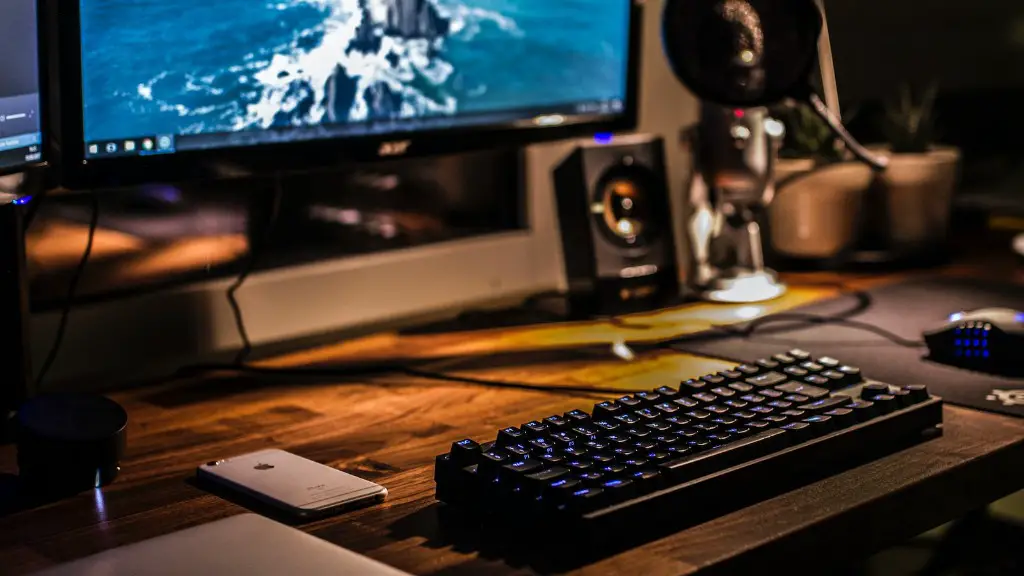
The extra width can prove to be helpful for gaming, but be sure to double-check the system requirements and supported resolutions. 21:9 monitors do have their own shortcomings, such as lacking vertical reach, but these are offset by the extra breadth they offer.
Panel Types
The panel type is an important consideration when selecting a budget gaming monitor, as they will have a noticeable impact on the gaming experience. TN panels are the most common and offer the lowest response time. If you mainly play fast-paced and competitive games with quick reflex-based movements and want the most responsive gaming experience then a TN panel would be the ideal choice.
Alternatively, IPS panels are popular among gamers because they provide better color accuracy and viewing angles than TN. They also offer better contrast, though the response time is generally slower. VA panels offer an excellent balance between the two and should be considered if you don’t care about the absolute fastest response times but still want better brightness, color accuracy and deeper blacks than what TN can offer.
Adaptive Sync Support
Adaptive sync support helps to eliminate screen tearing and stuttering during gaming sessions by keeping the monitor and the graphics card in sync at all times. Some gaming monitors come with support for either AMD FreeSync or NVIDIA G-SYNC.
AMD FreeSync is inherently available on a wide range of monitors, but NVIDIA G-SYNC can only be found on select monitors, making it more expensive than AMD FreeSync. If you plan on using an AMD graphics card, then the AMD FreeSync option is more budget-friendly, but those with NVIDIA GPUs may want to consider the higher cost of a G-SYNC gaming monitor.
High Dynamic Range (HDR)
High Dynamic Range (HDR) imaging provides greater color accuracy, as well as a wider range of brightness and increased contrast ratios. It provides a more natural, realistic picture with brighter whites and darker black levels. High-end gaming monitors will come with HDR support, but this is usually limited to higher refresh rate panels and could involve an expensive premium.
HDR can be a nice bonus for gamers, but it’s best left for those with the budget for it. It’s often hard to appreciate the difference with the naked eye and a few extra dollars towards a better refresh rate may be a better investment overall.
Other Considerations
When selecting a budget gaming monitor, you’ll want to consider other features and options, such as built-in speakers and ports. Try to find a gaming monitor that has decent audio support, such as built-in speakers and line-in ports, to help complete the multimedia experience.
USB ports are also a nice addition. They can provide additional connectivity for peripherals such as mechanical keyboards, controllers, external storage and other accessories. Remember to also pay attention to other features such as on-screen display adjustments, eye-savers and blue light filtering, tilt, and swivel adjustments.